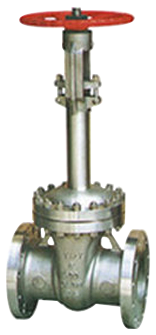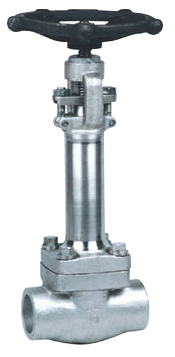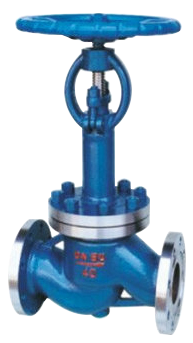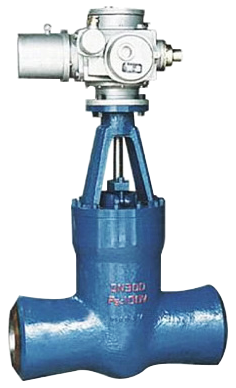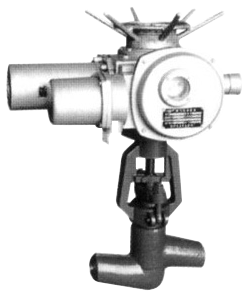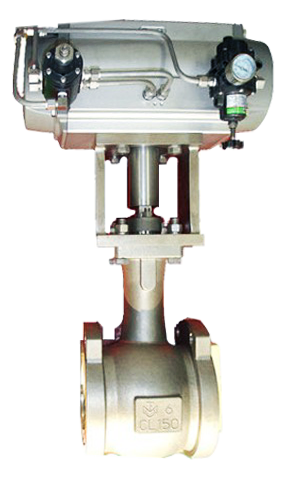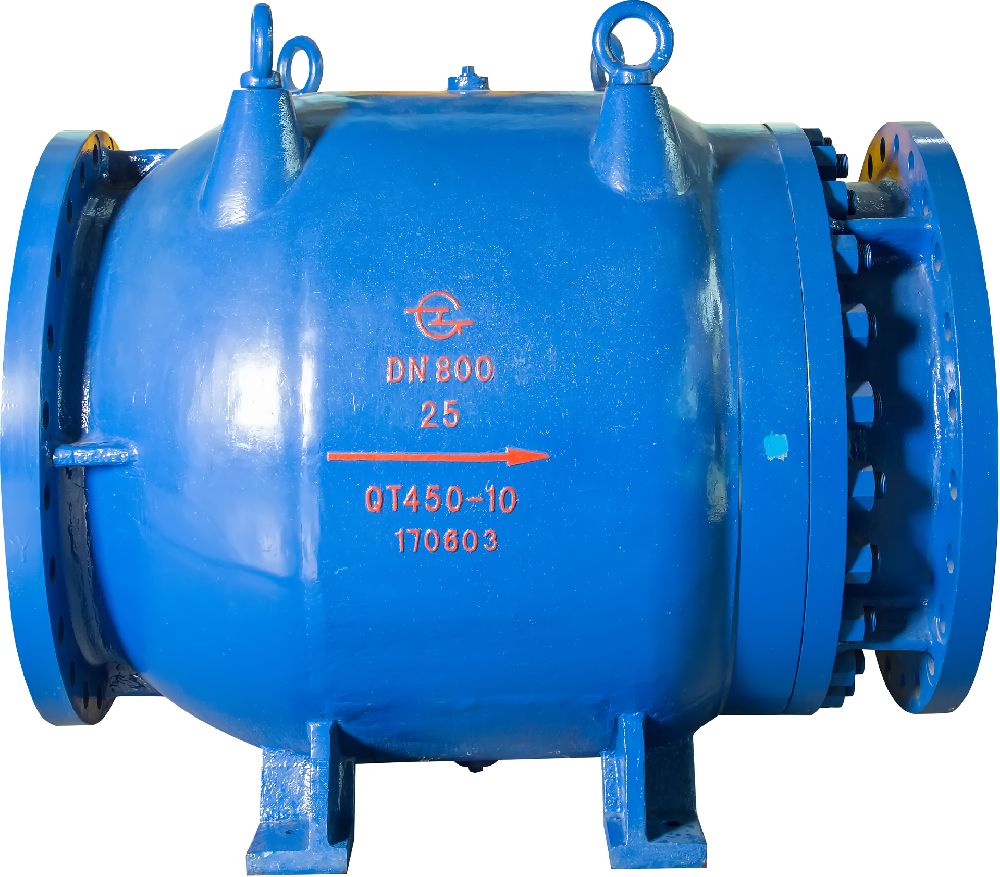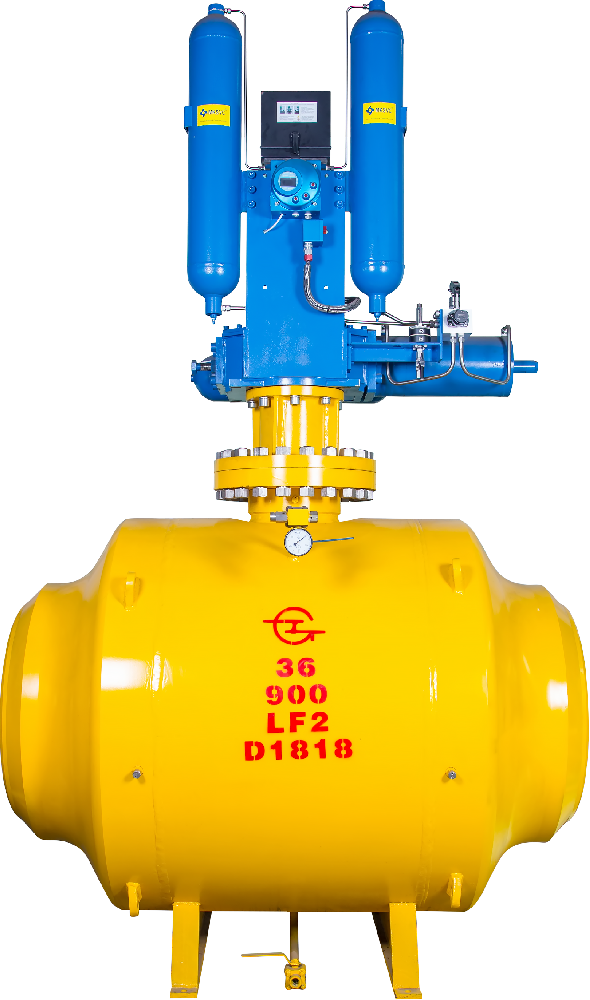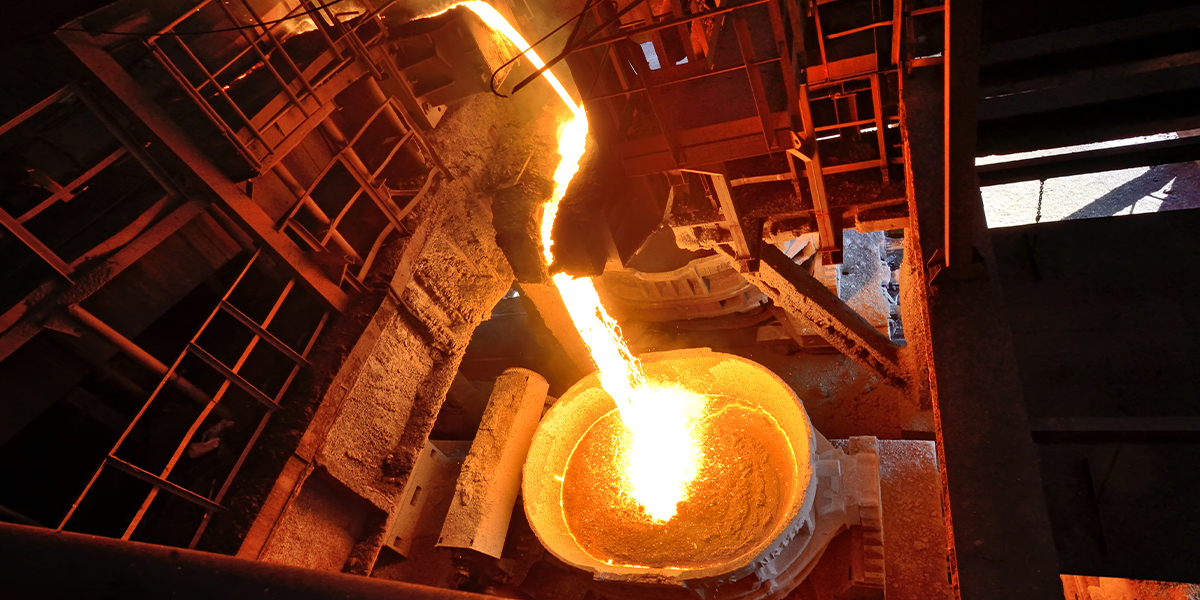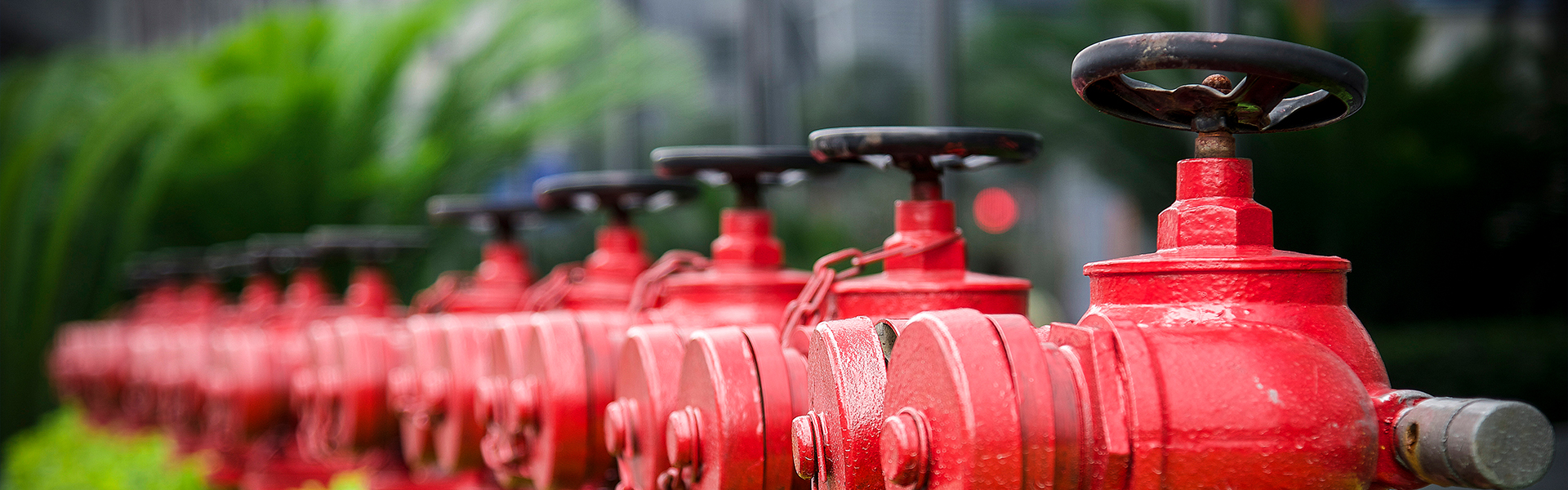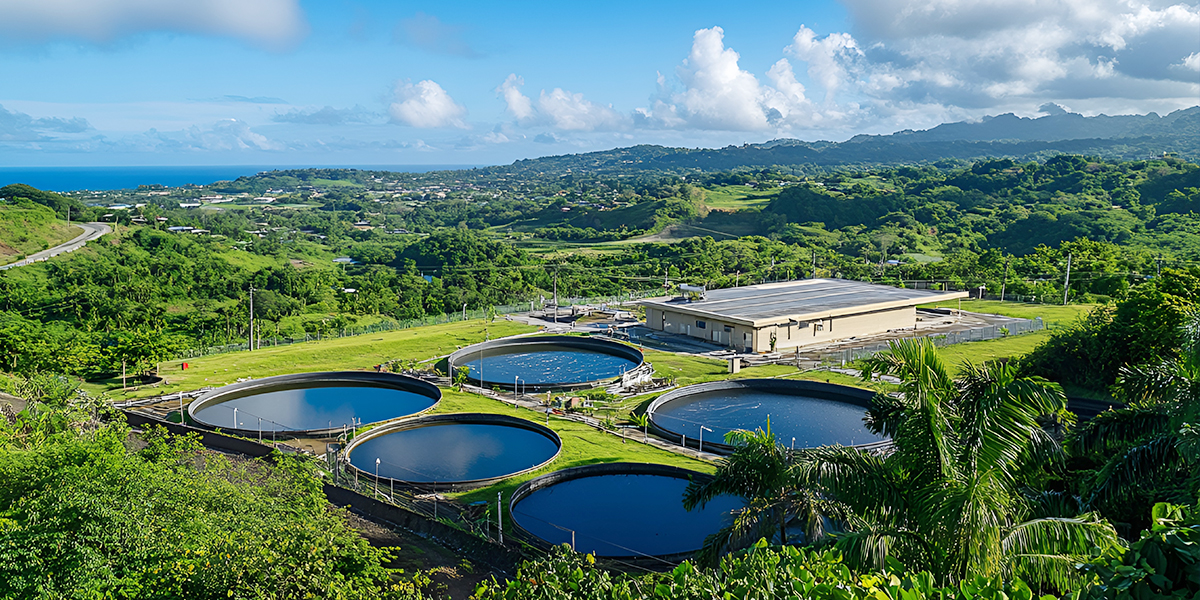

In the petrochemical industry, valves serve as the core hub for fluid control, and their performance and reliability directly determine the safety, efficiency, and economic benefits of the entire industrial chain. From the upstream activities such as oil and gas extraction and long-distance pipeline transportation, to the downstream processes like refining, chemical production, coal chemical production, as well as emerging fields like LNG (liquefied natural gas) production, chemical synthesis, and new energy materials production, the inherent safety and stable operation of each set of equipment are all based on a precise and reliable valve system. The requirements for valves in this industry can be described as the most stringent in the industrial field - they must be able to withstand extreme temperatures ranging from extremely low to extremely high (-196℃ to over 850℃), endure pressure fluctuations up to hundreds of megapascals, resist corrosion from media such as hydrogen sulfide, chloride ions, and hydrogen gas, and achieve zero-error operation in critical sections such as high-frequency switching, emergency shutdown, and leak prevention.
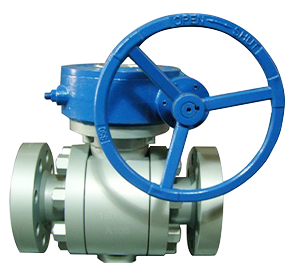
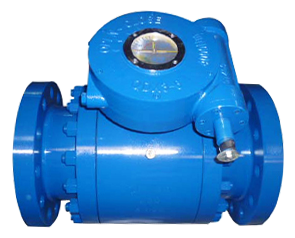
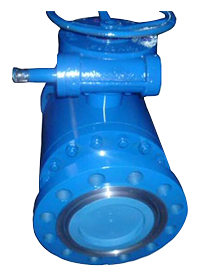
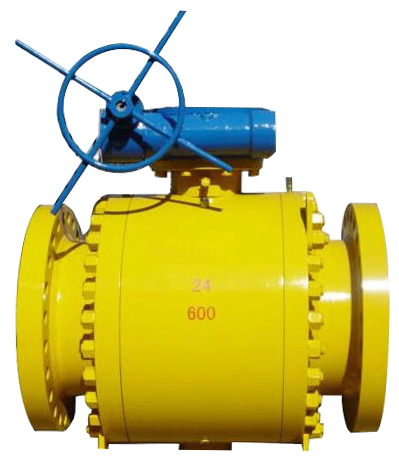
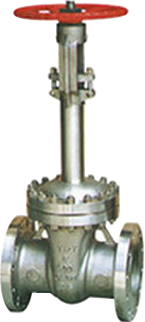
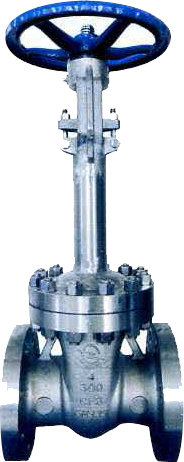
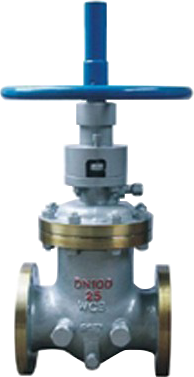
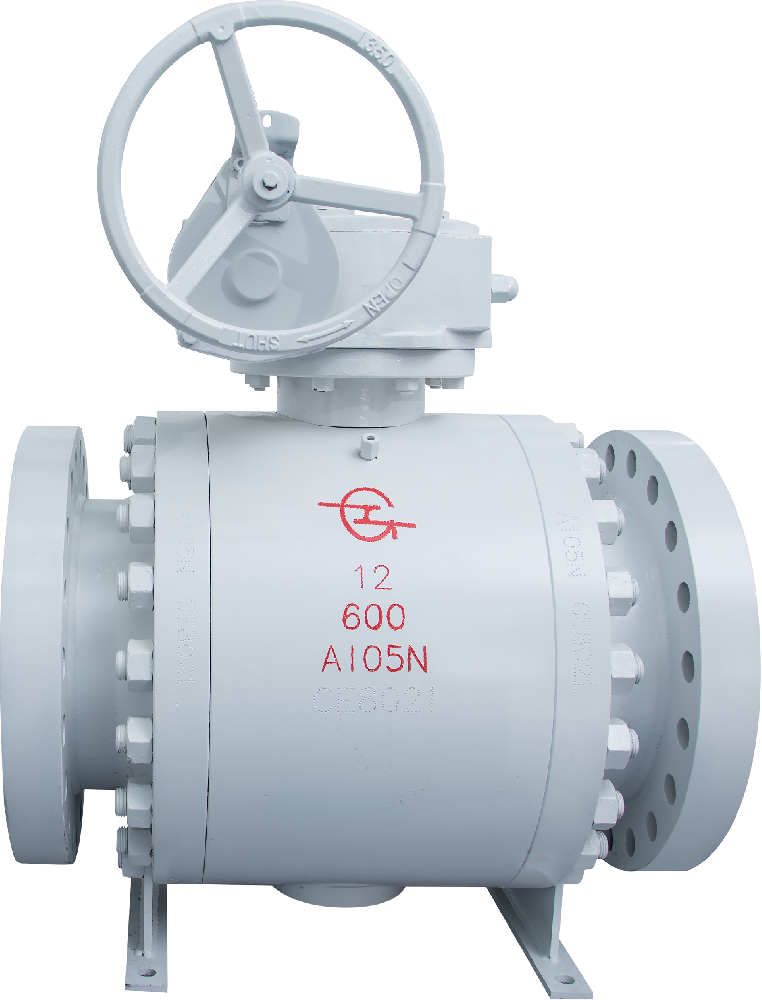
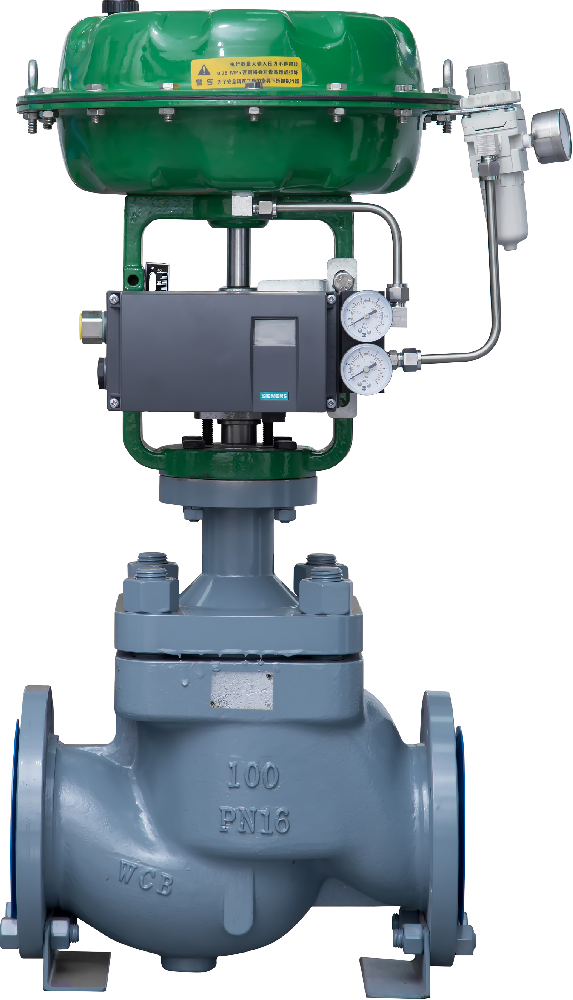
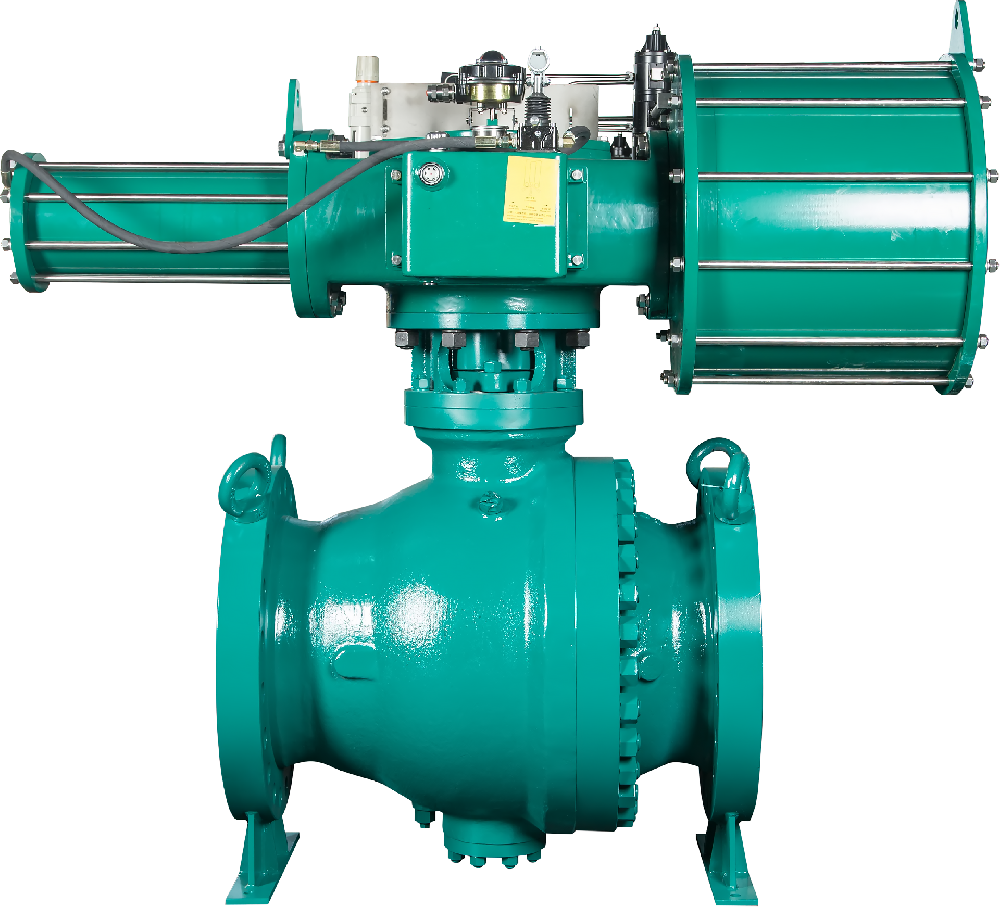
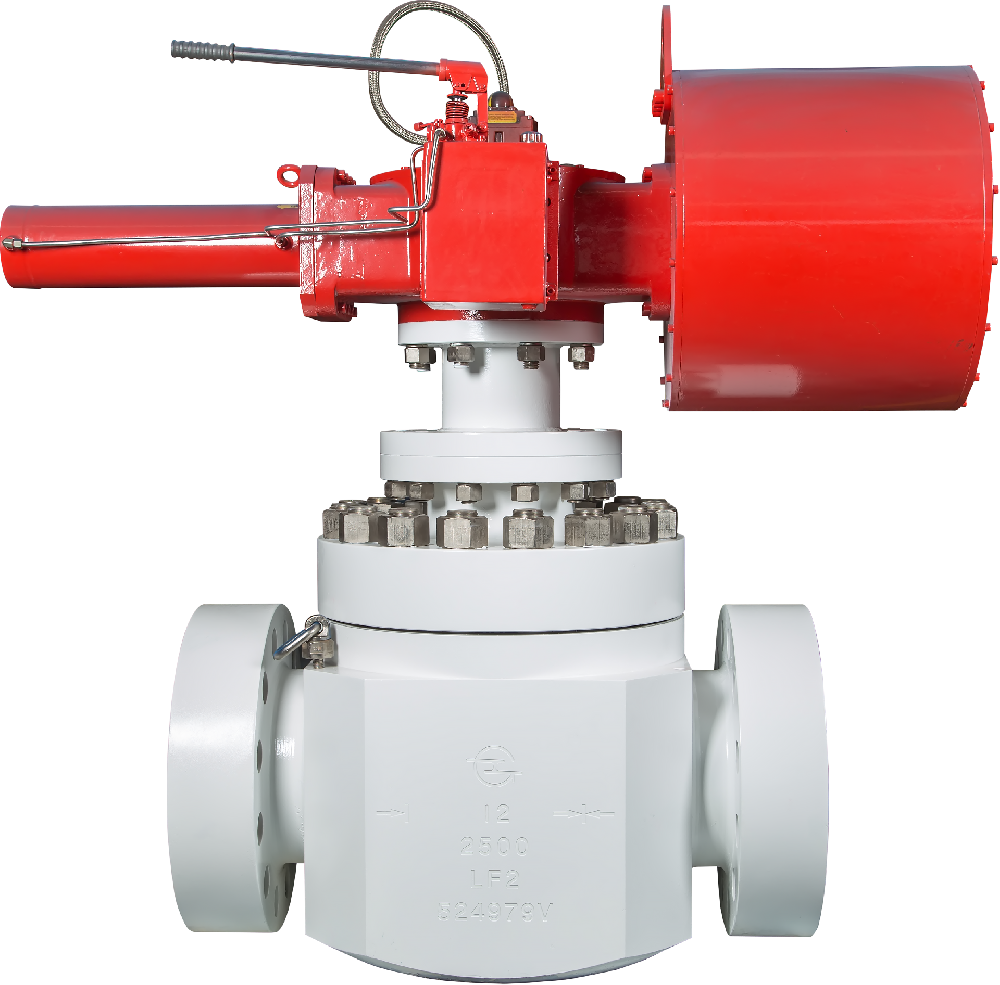
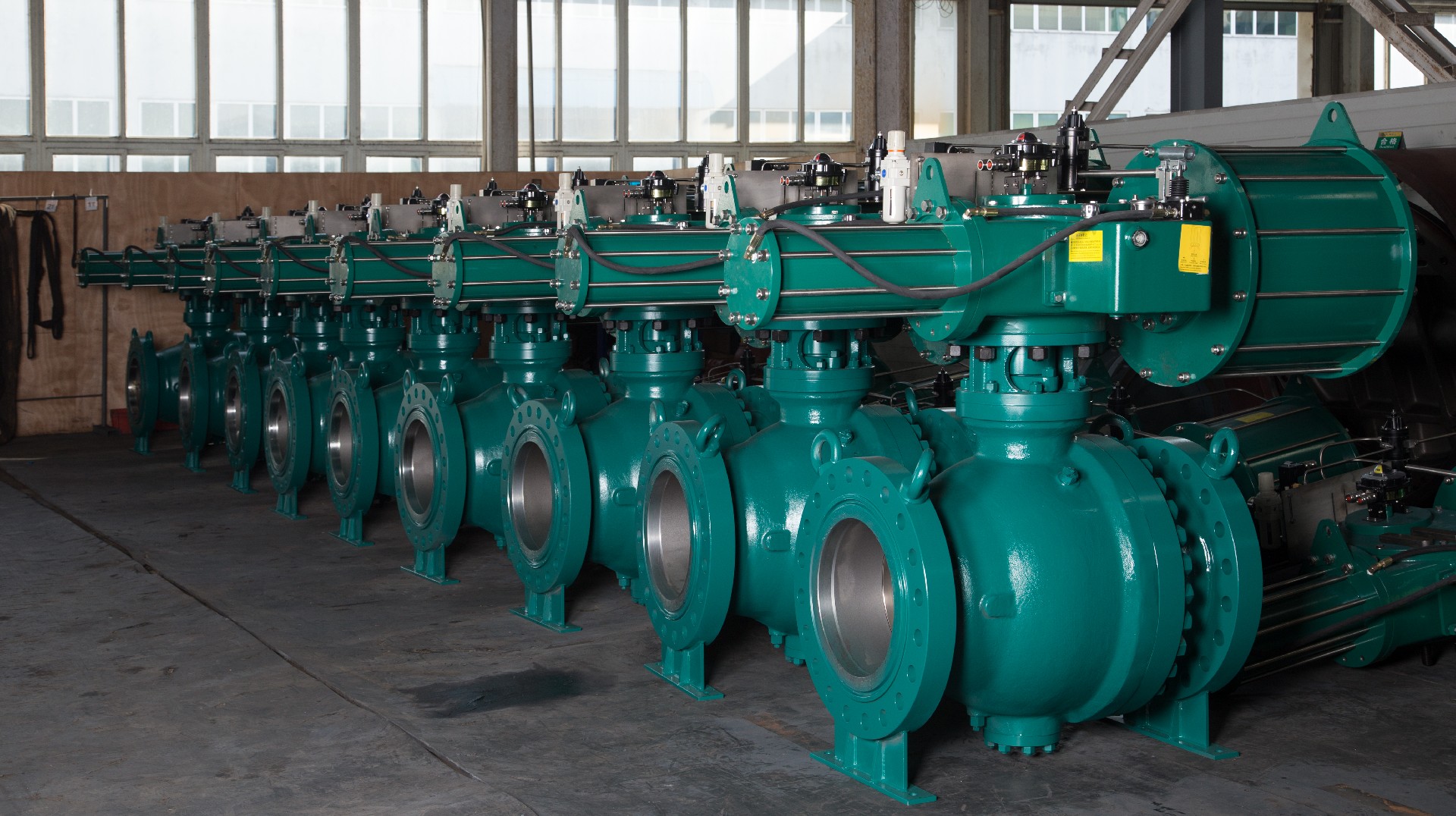
In specific process equipment, different types of valves perform their respective core functions. For instance, in catalytic cracking (FCC) and coal-to-oil (CTL) units, wear-resistant ball valves and high-temperature gate valves must withstand the high-speed scouring and wear caused by catalyst particles; in hydrocracking and hydrofining units, the materials and structures of high-pressure hydrogen-containing valves need to be specially designed to prevent hydrogen-induced cracks and high-temperature hydrogen corrosion, ensuring absolute sealing under extreme pressure; in ethylene cracking and LNG liquefaction and storage transportation processes, ultra-low-temperature valves require special cryogenic treatment and long-neck valve cover designs to ensure the toughness of the material, the reliability of the seal, and the flexibility of operation at -196℃ cryogenic conditions; for pipelines handling corrosive media such as strong acids and strong bases, special corrosion-resistant special valves made of special materials like Hastelloy, Monel, and duplex stainless steel are required. Moreover, the precise regulation capability of control valves directly affects reaction efficiency and product quality, while safety valves and emergency shut-off valves are the final safety barrier of the process equipment, and their response speed and action reliability determine the safety of personnel and assets of the entire factory.

Modern petrochemical industry is developing towards larger scale, integration, intelligence and greenness, which places higher demands on valve technology. Valves are no longer merely isolated execution components; instead, they need to be integrated into the intelligent control and predictive maintenance systems of the entire plant. Intelligent valves with IoT interfaces can provide real-time feedback on operating status, leakage data and health conditions, achieving a transition from passive maintenance to proactive maintenance. At the same time, with the deepening of the domestic "high-end equipment domestication" strategy, high-end valves that can replace imports and achieve independent control under harsh conditions have become a key link in ensuring the security of the industrial chain and supply chain. The research and manufacturing of these valves deeply integrate materials science, precision processing, simulation calculation and digital technology, strictly following authoritative standards such as API, ASME, ISO, GB, etc., and have passed a series of rigorous evaluations such as SIL safety integrity level certification.
Therefore, when selecting valves for petrochemical projects, it is a comprehensive engineering task that involves considerations of the entire life cycle cost and risks. It is not merely about choosing a single product, but rather selecting a system solution that integrates profound engineering experience, forward-looking technical verification, and comprehensive service support. A reliable valve partner can assist users in avoiding risks from the design and selection stage, ensuring stability during operation, and enhancing efficiency during maintenance, thereby laying a solid equipment foundation for the long-term safe operation, energy conservation, and cost reduction of the facility, as well as maximizing benefits.
If you need a professional product selection plan, technical materials or project quotations for your specific working conditions, please feel free to contact our professional team at any time for in-depth communication and cooperation discussions.

Follow us
WeChat Official Account


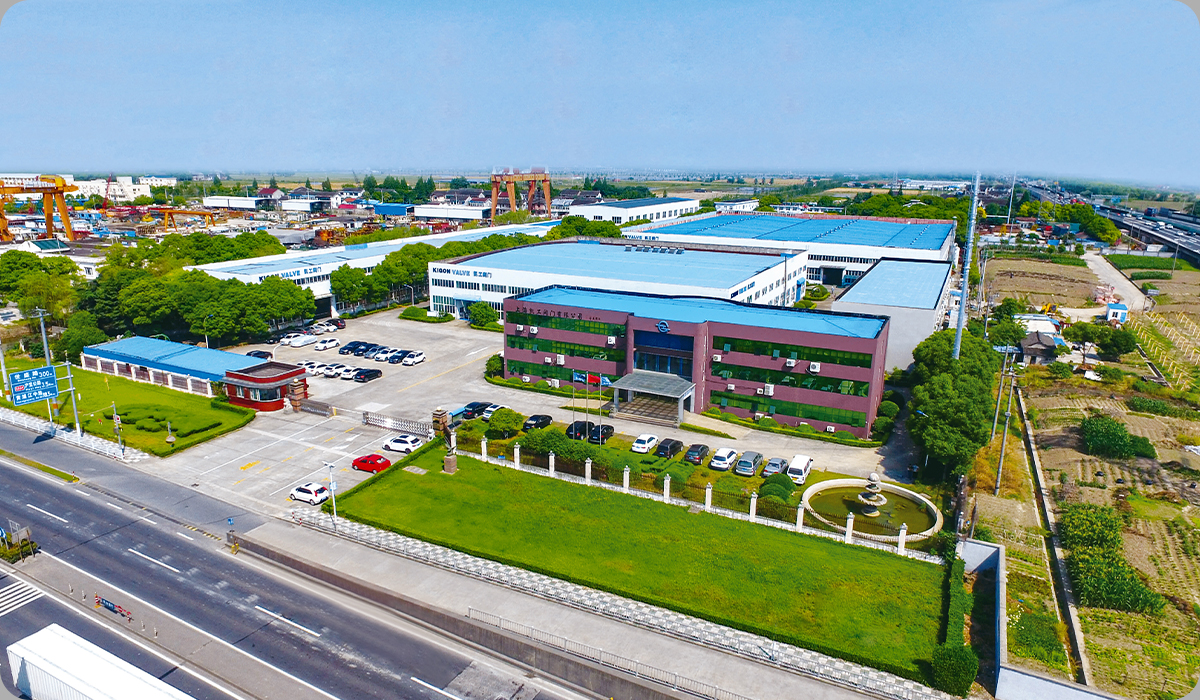
Copyright © 2026 Shanghai Kigon Valve Co., Ltd. Statement
Technical Support:Pro Insurance Network