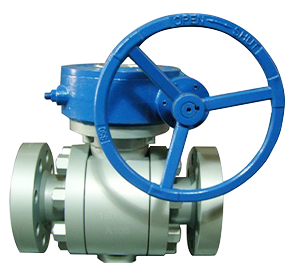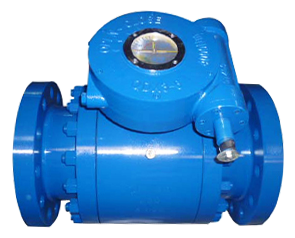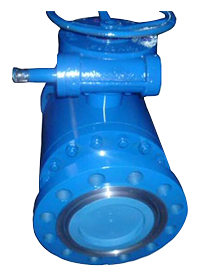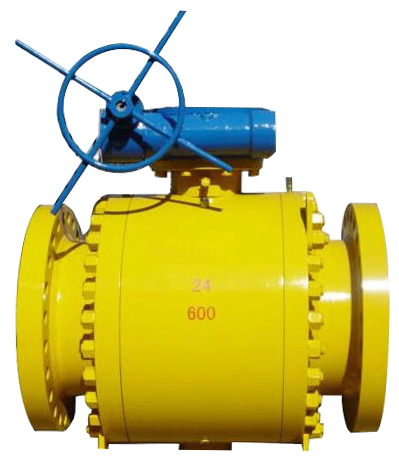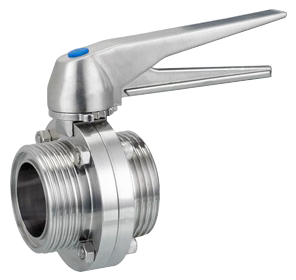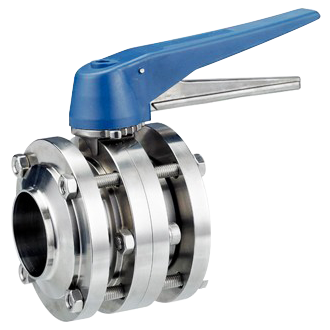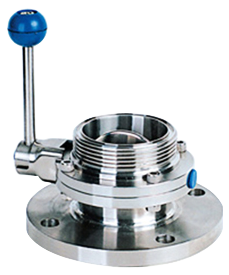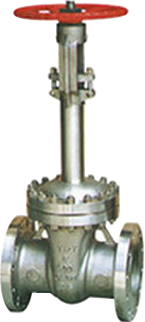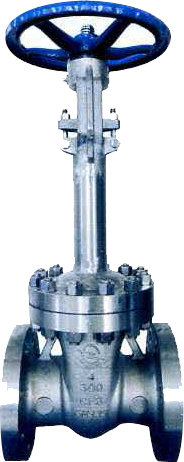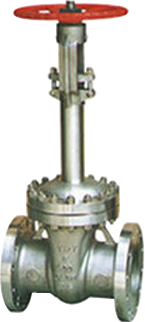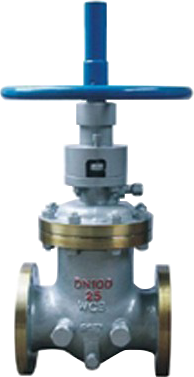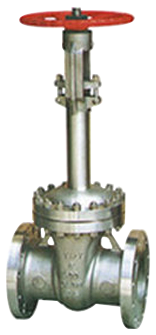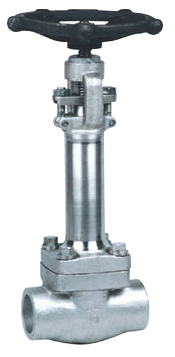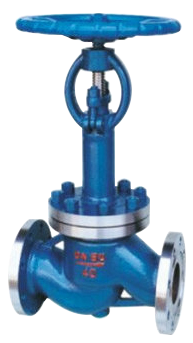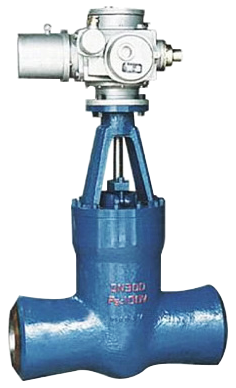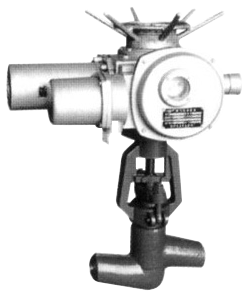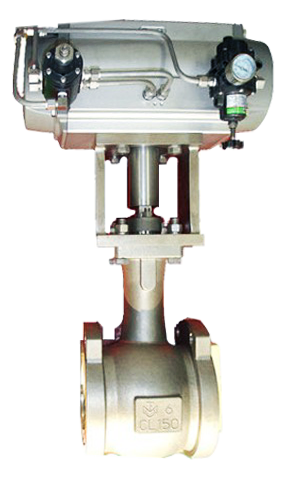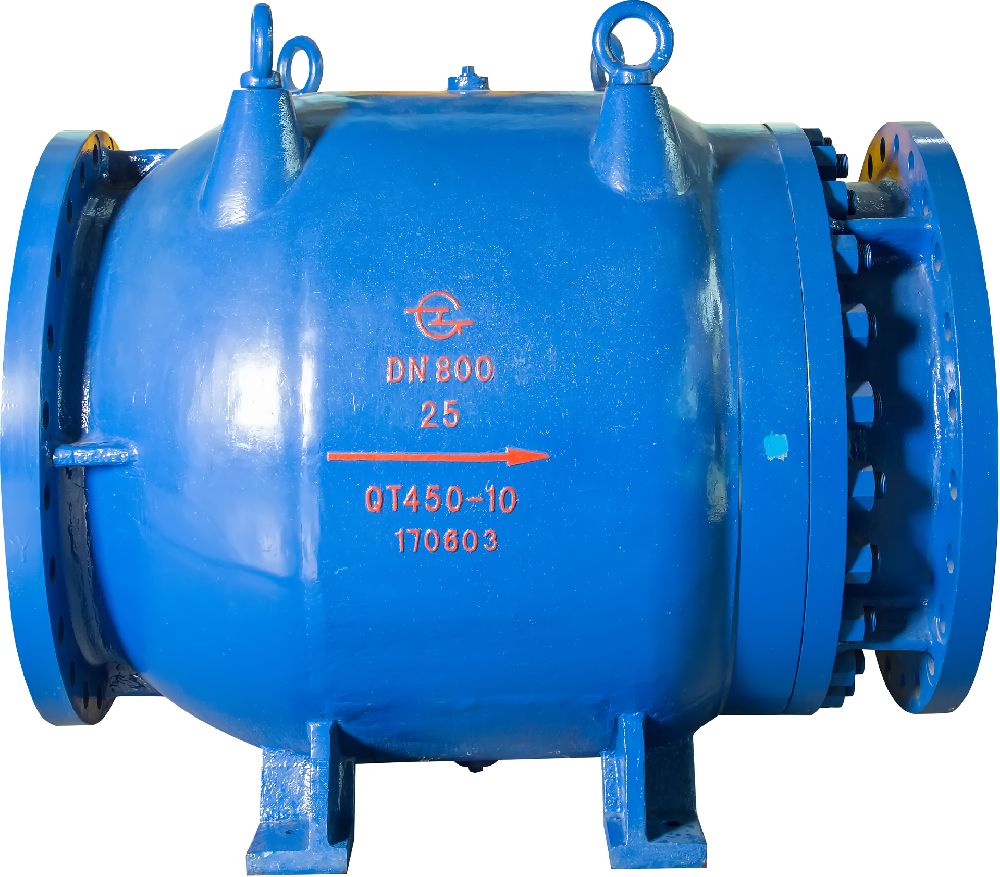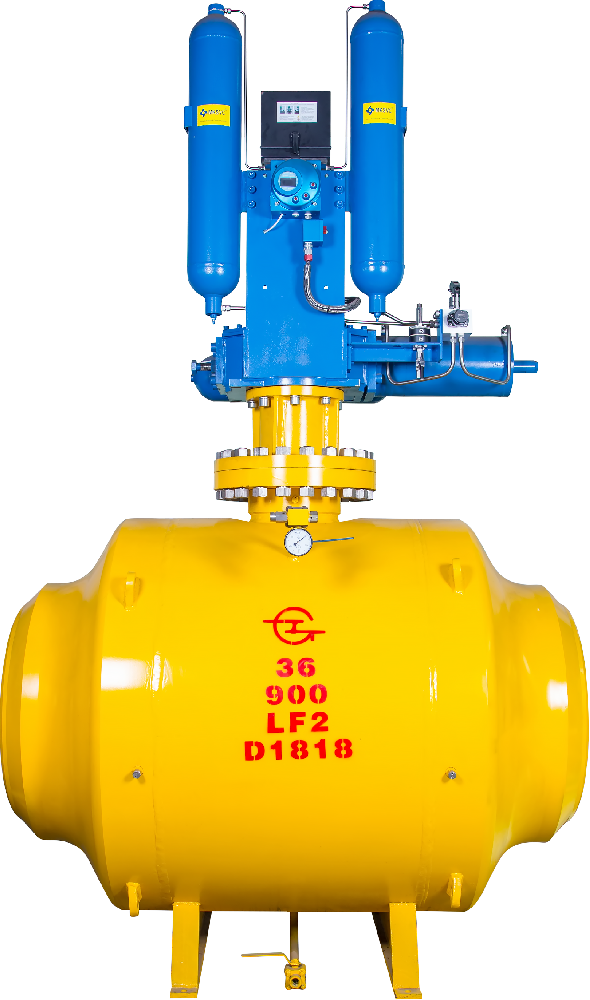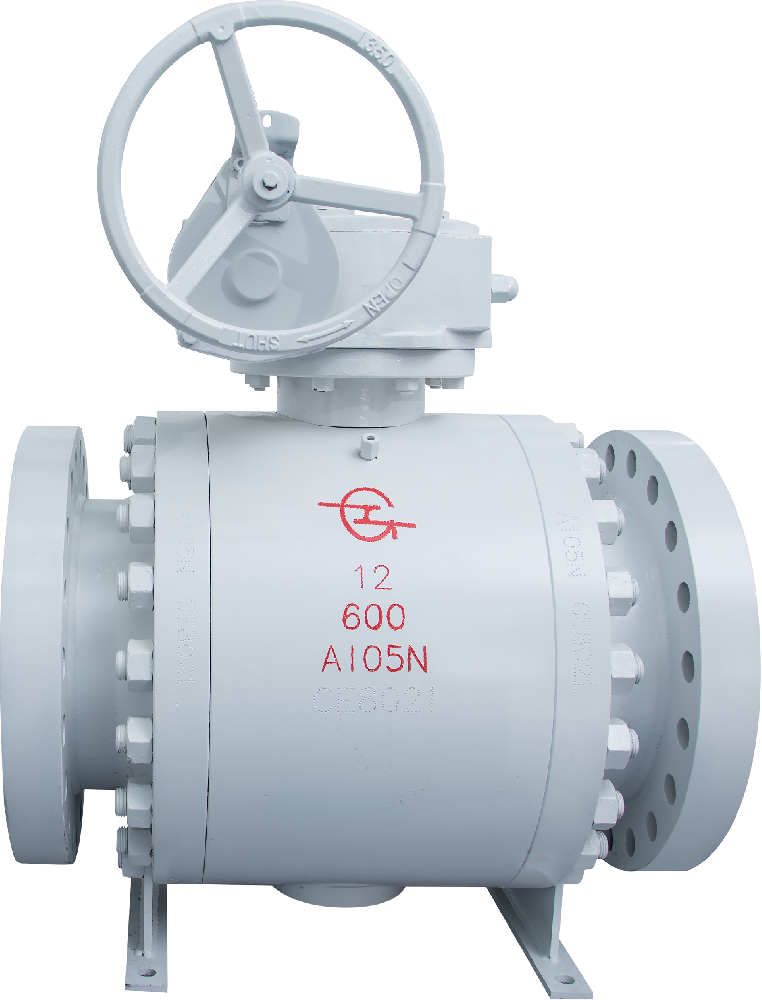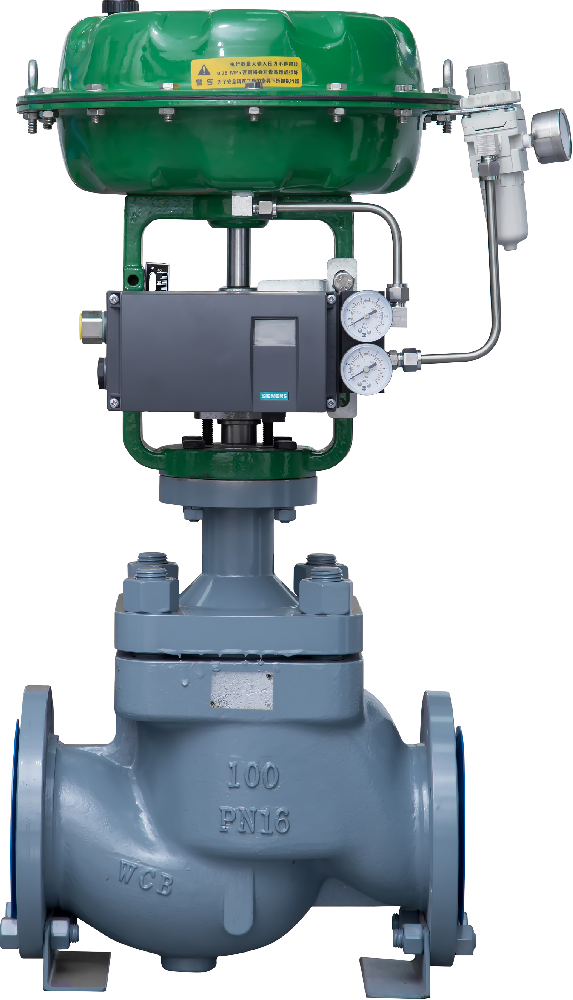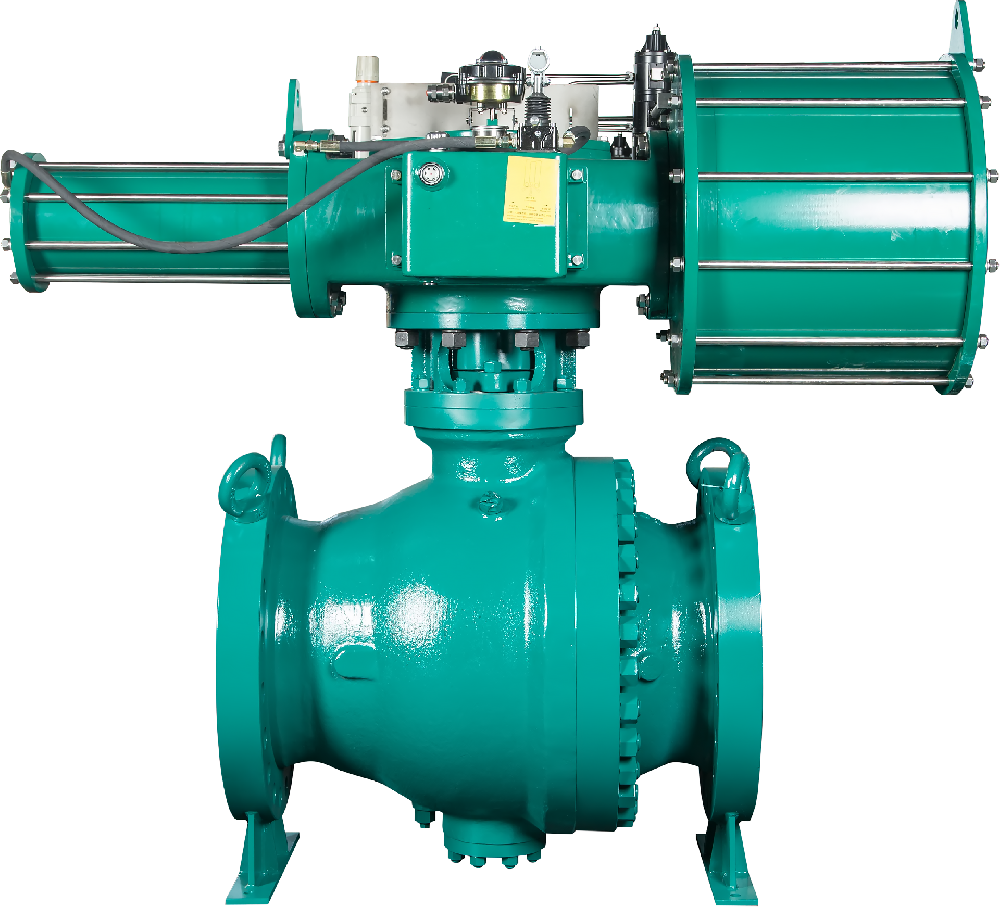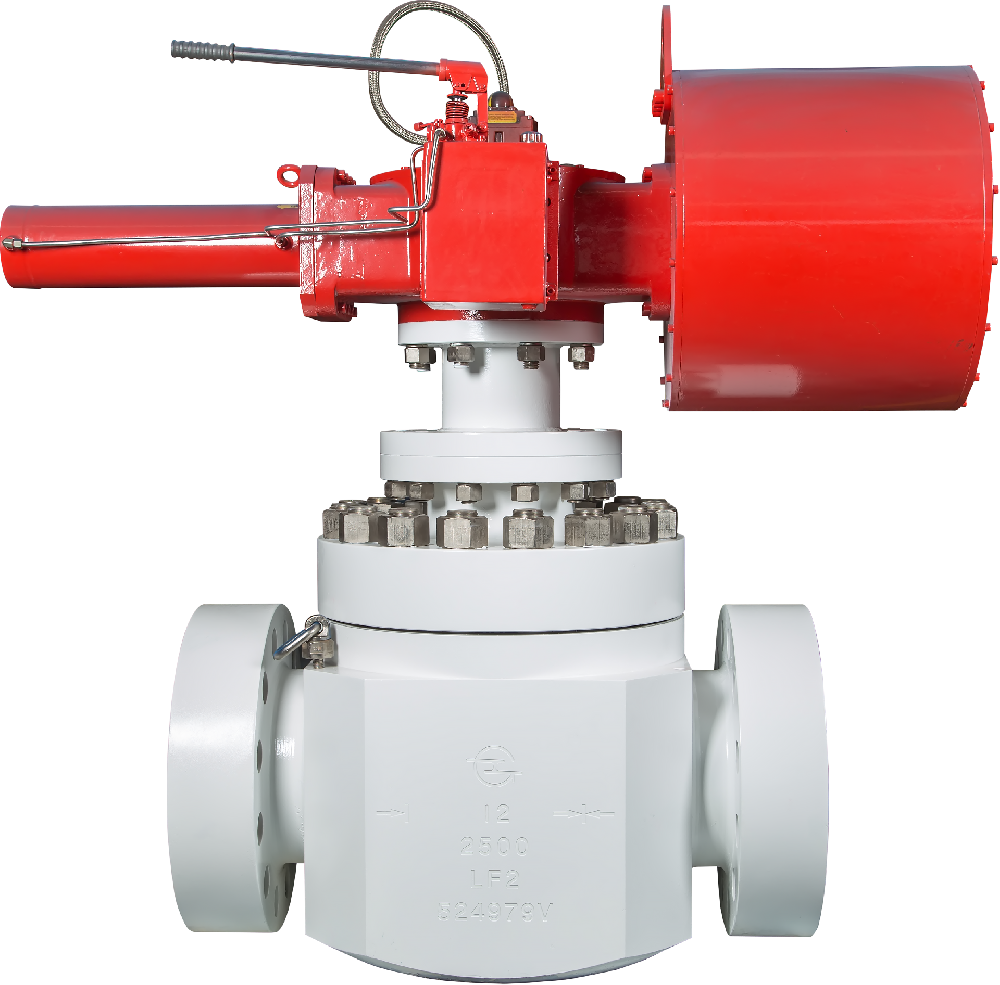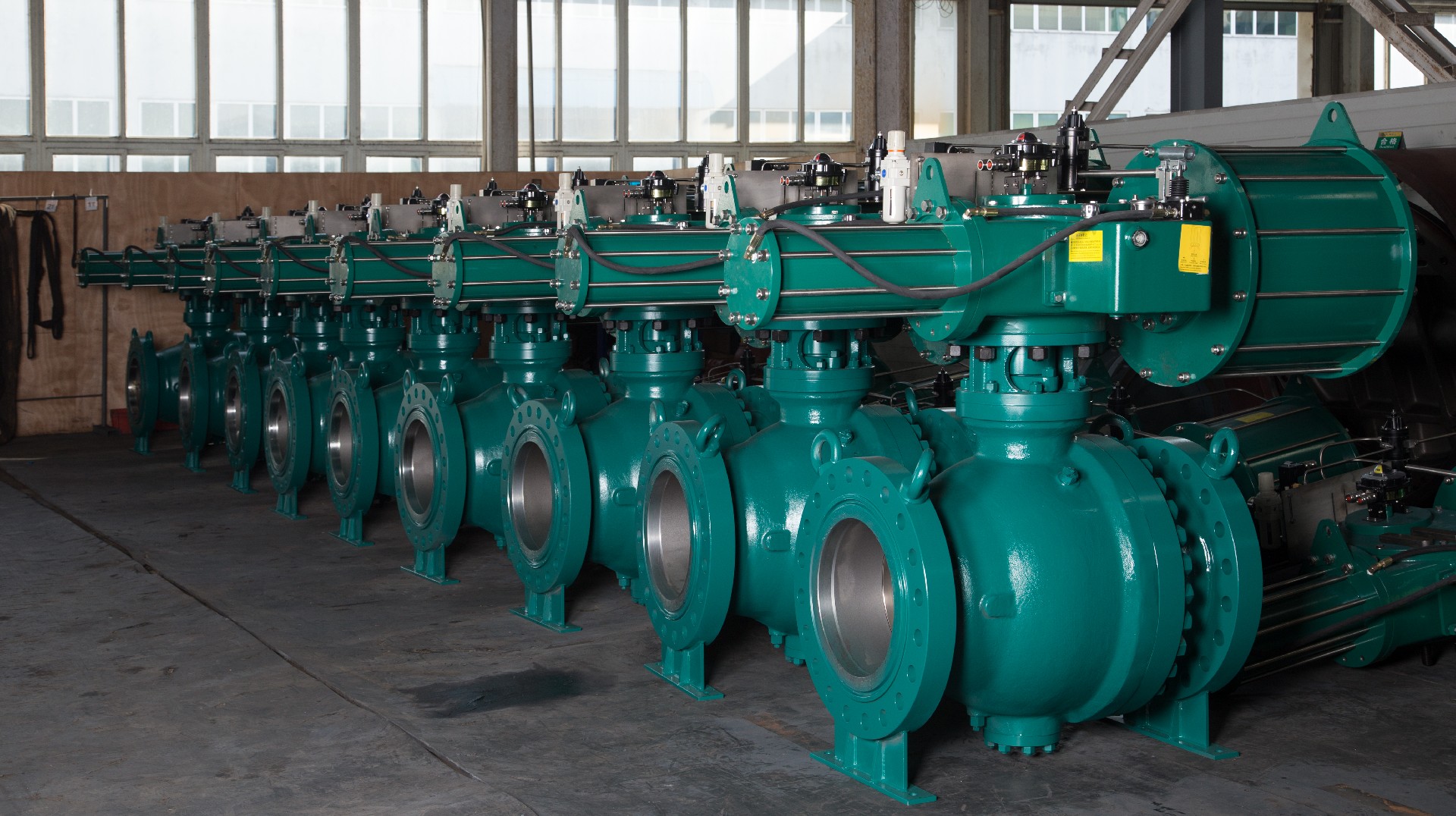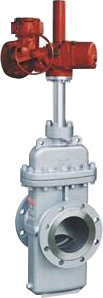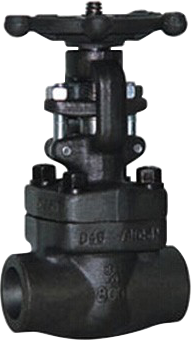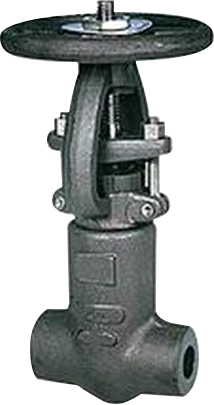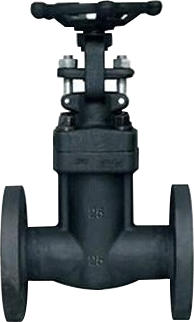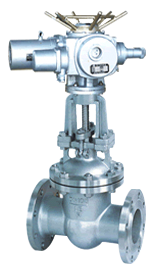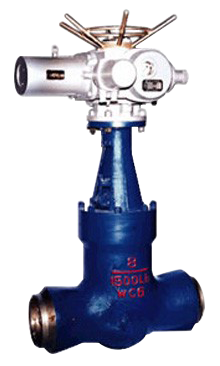

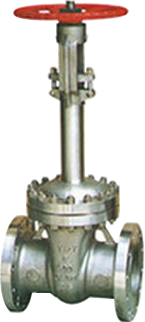
Valve body material: copper, cast iron, cast steel, carbon steel, WCB, WC6, WC9, 20#, 25#, forged steel, A105, F11, F22, stainless steel, 304, 304L, 316, 316L, chromium-molybdenum steel, low-temperature steel, titanium alloy steel, etc.
Working pressure: 1.0 Mpa - 50.0 Mpa.
Operating temperature: -196℃ to 650℃.
Connection methods: internal thread, external thread, flange, welding, butt welding, socket welding, sleeve fitting, clamp.
Drive mode: Manual, Pneumatic, Hydraulic, Electric.
1. Professional design of cryogenic conditions and application of materials science
The core advantage of the valve lies in its comprehensive design for low-temperature physical properties. A long-neck valve cover structure is commonly adopted, which effectively increases the distance between the valve stem packing chamber and the low-temperature medium, significantly reducing the heat transfer from the environment to the valve body, preventing the sealing components from freezing, protecting the operating mechanism, and ensuring the operational flexibility of the valve in extremely low temperatures. From the valve body, valve cover to the valve stem, fasteners, all materials are scientifically selected based on the lowest working temperature, with particular emphasis on the Charpy Impact Value of the materials at low temperatures to ensure that they still have sufficient impact resistance in the extreme environment of -196℃, avoiding catastrophic low-temperature brittle fractures.
2. Strictly follow the American standard system to ensure global applicability and high performance
The product is entirely designed and certified based on the American standards such as API and ASME, ensuring seamless integration with global energy and chemical projects, especially those following North American standards. The pressure and temperature ratings strictly follow ASME B16.34, and the structural length complies with ASME B16.10. This means that when selecting the valve, there is an internationally recognized and precise performance parameter basis. This standardized design not only guarantees performance but also ensures high universality in procurement, replacement, and maintenance of the product worldwide.
3. Reliable sealing structure and convenient maintenance features
By adopting a design that combines a welded valve cover with high-performance spiral gaskets, the connection strength is guaranteed while facilitating internal inspection and maintenance of the valve after use. The design of replaceable valve seats allows users to replace only the valve seat instead of the entire valve when the sealing surface of the valve seat is worn, significantly reducing the maintenance cost throughout the entire life cycle. Combined with forged valve stems and an optimized packing system, it ensures that the valve stem seal remains reliable and the risk of external leakage is extremely low even under frequent temperature cycles and long-term operation.
4. Flexible and diverse operation configurations and excellent flow performance
Whether it is the need for manual operation to save effort, or the need for remote control in an automated factory, this valve can provide an ideal solution. By installing a bevel gear box, the manual operating torque can be reduced by several times, making the opening and closing of large-diameter valves easier. The full-throat design ensures that the flow channel is basically the same as the inner diameter of the pipeline when the valve is fully open, resulting in extremely low flow resistance. This not only reduces the energy consumption of the transportation but also provides convenience for pipelines that require pigging. The exposed stem design clearly indicates the switch position, avoiding misoperation.
5. Sound quality assurance and full-process testing verification
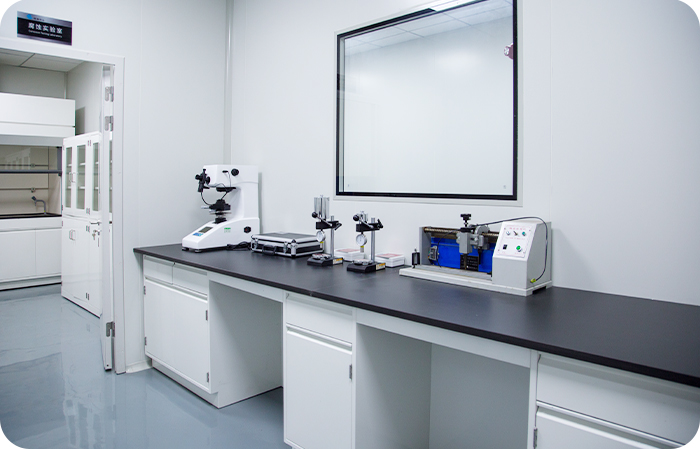
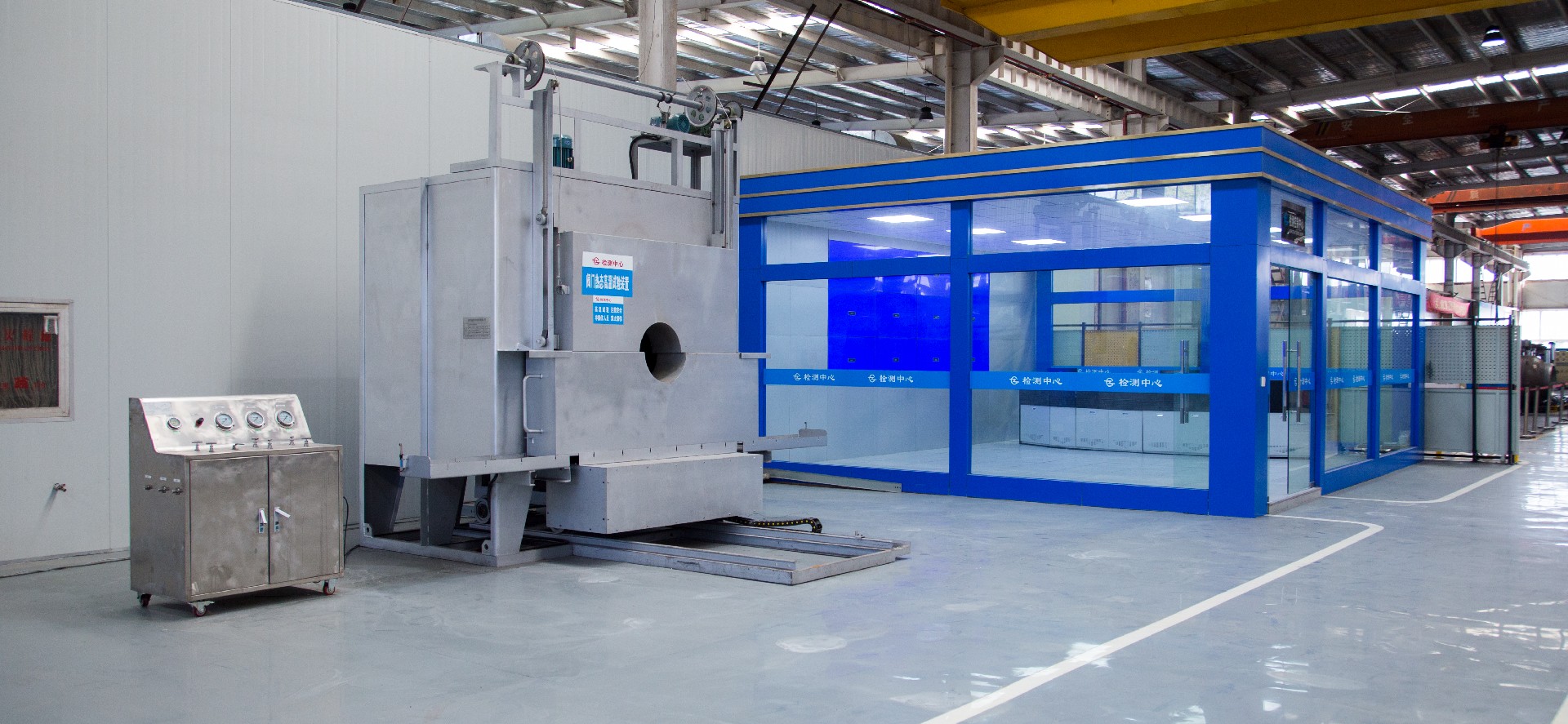
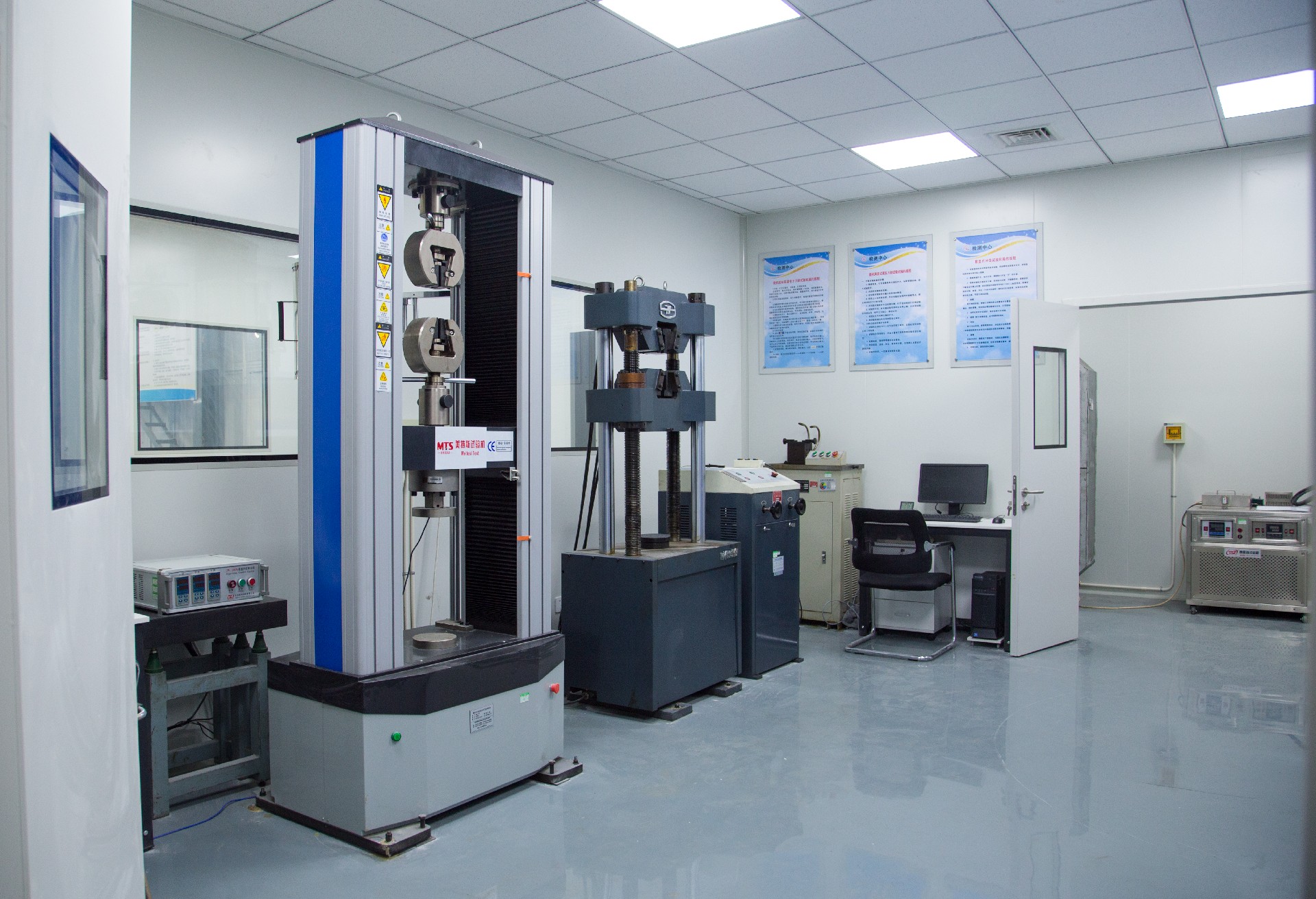
From the time the raw materials enter the factory until the finished products leave the factory, every step is carried out under a strict quality control system. Before the valves are shipped out, they must undergo a series of rigorous tests including shell strength tests, low-pressure gas seal tests, high-pressure water seal tests, etc. These test procedures fully comply with the requirements of API 598/6D. For low-temperature valves, additional low-temperature tests are usually required to simulate the actual working temperature and verify their sealing performance and operating torque, ensuring that the products can operate safely, stably and for a long time in the real cryogenic environment after delivery.

Follow us
WeChat Official Account


Copyright © 2026 Shanghai Kigon Valve Co., Ltd. Statement
Technical Support:Pro Insurance Network