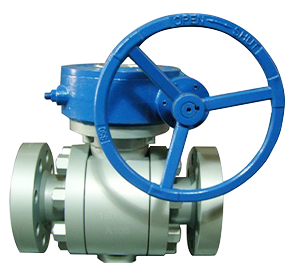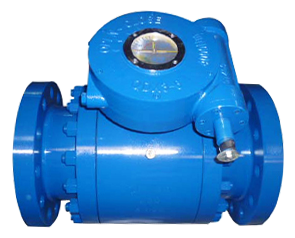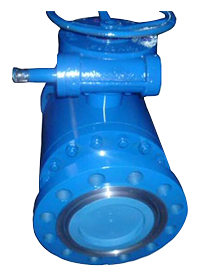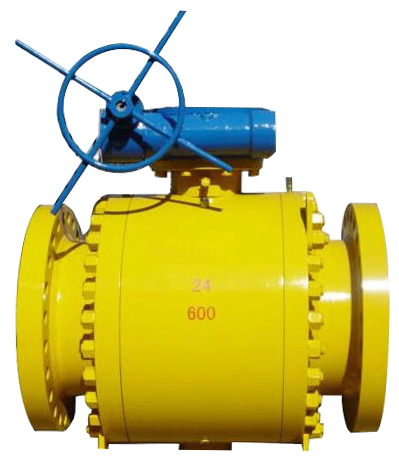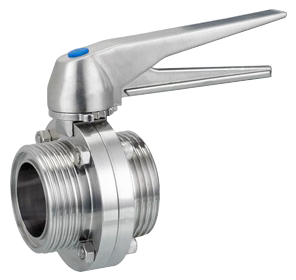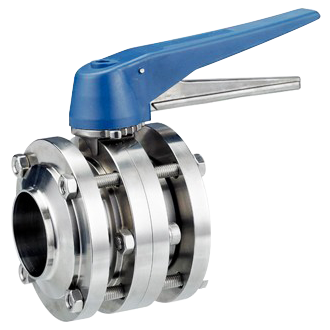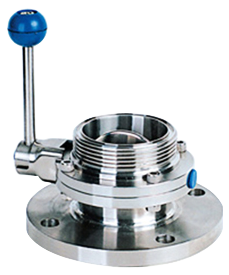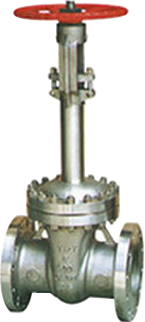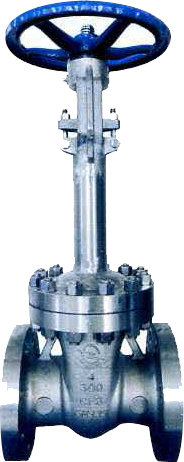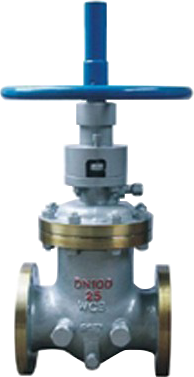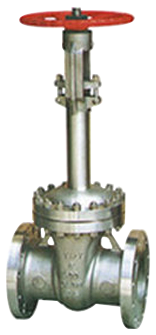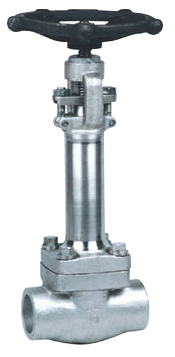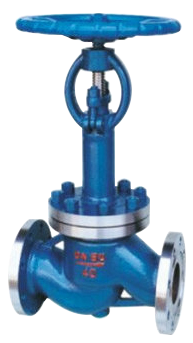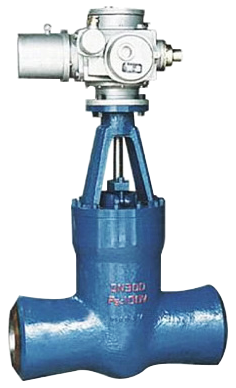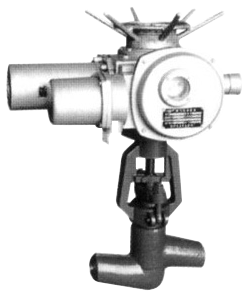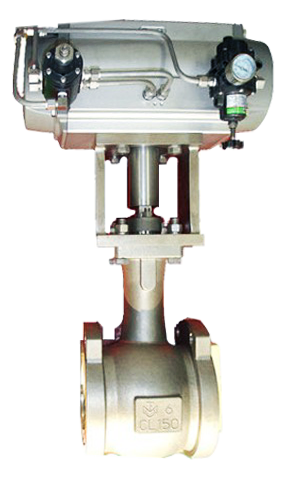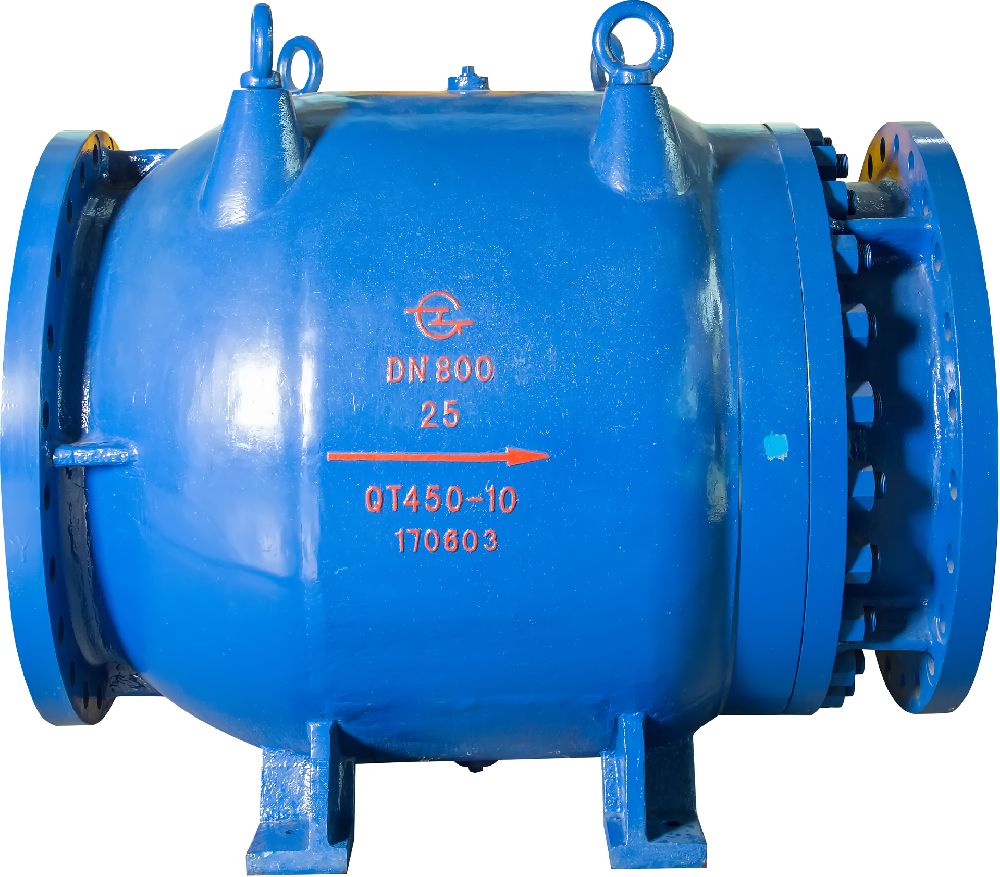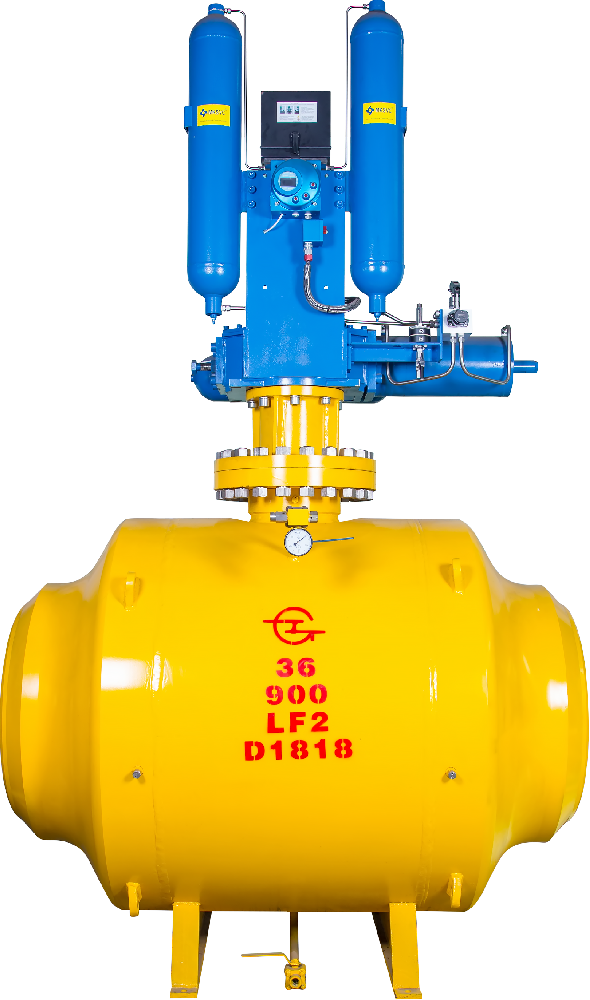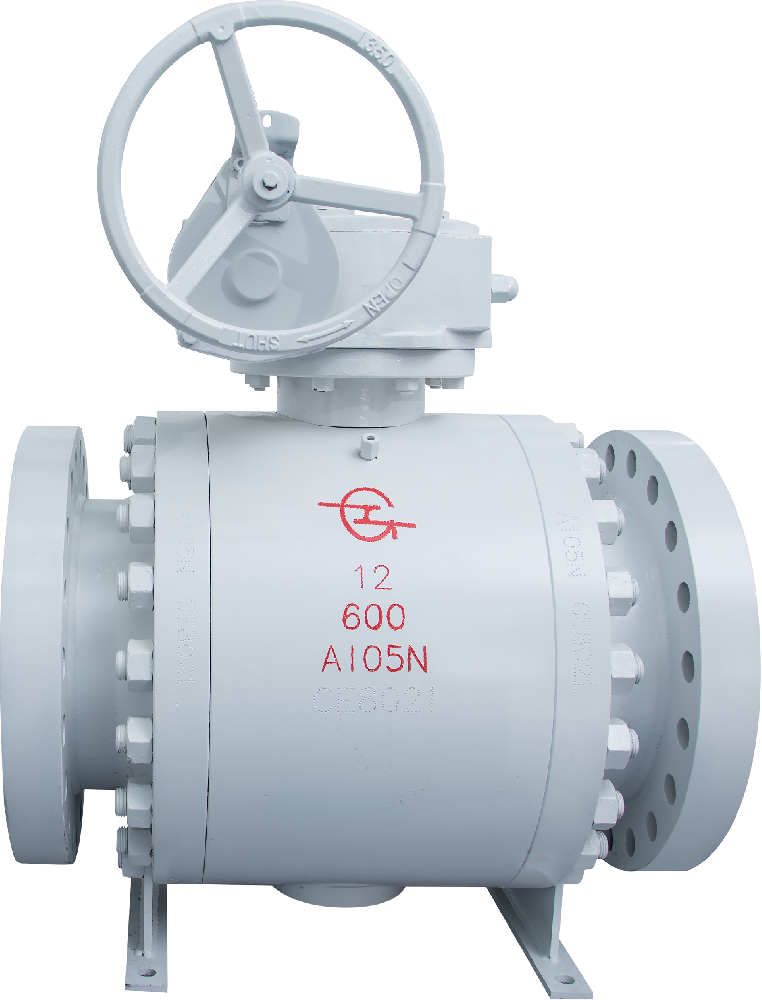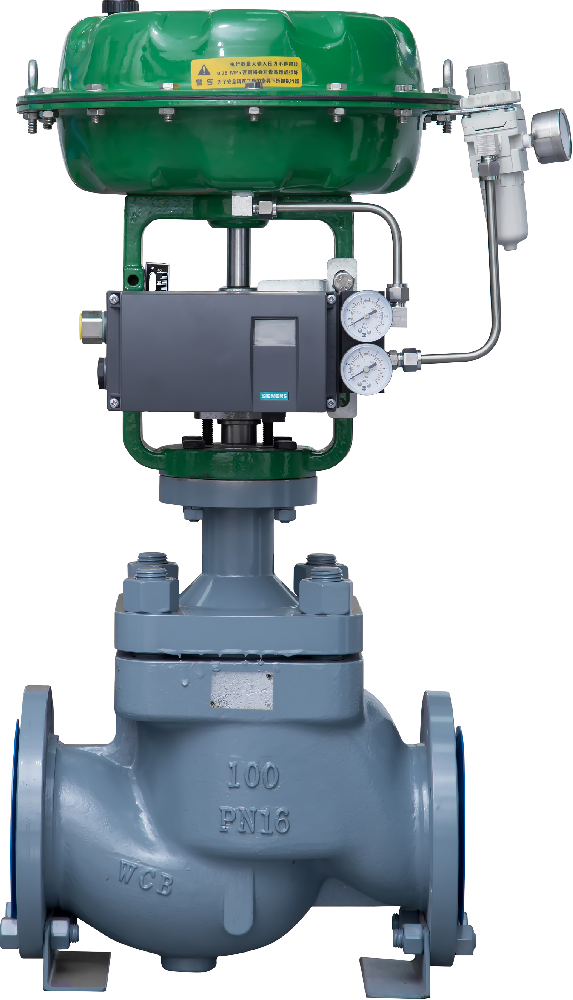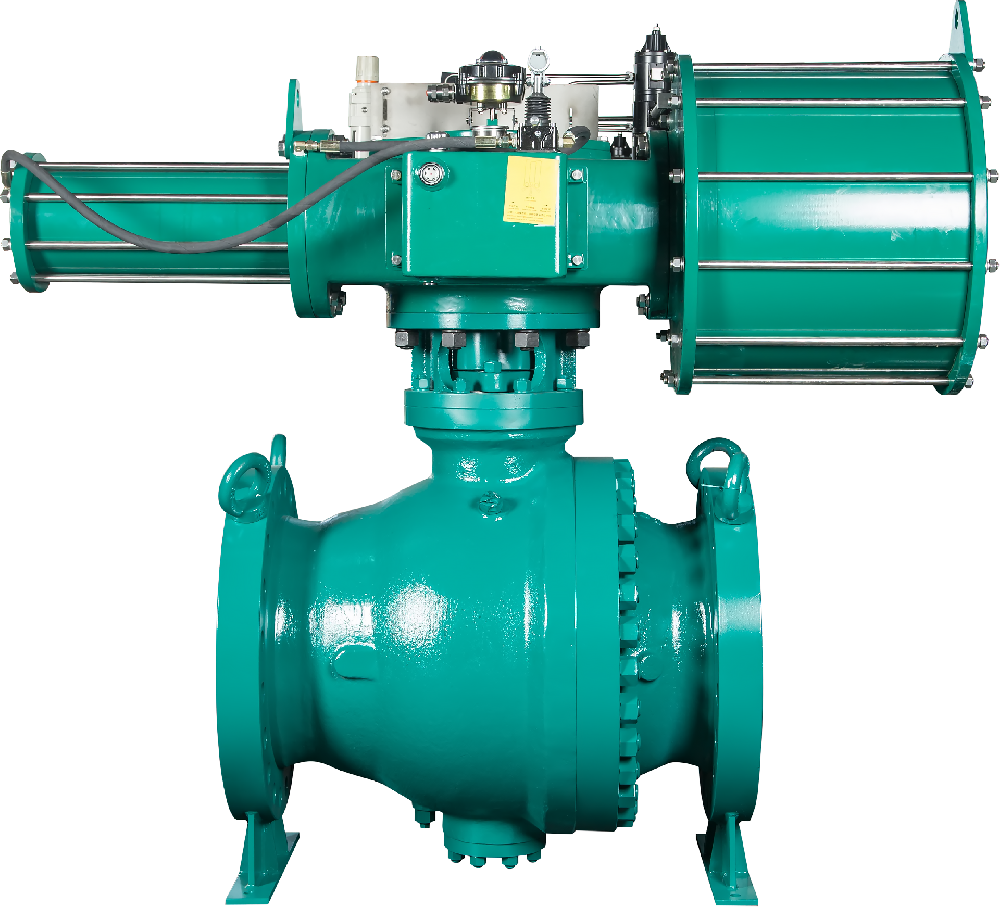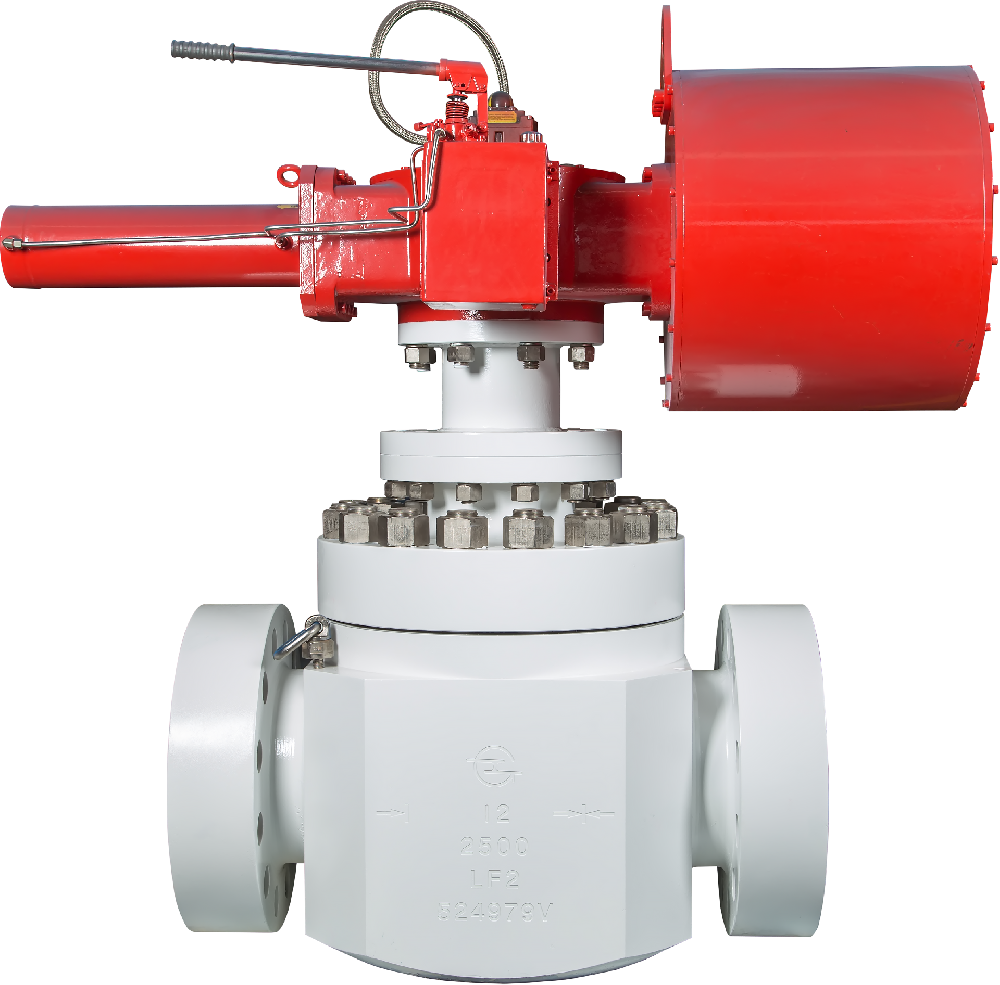

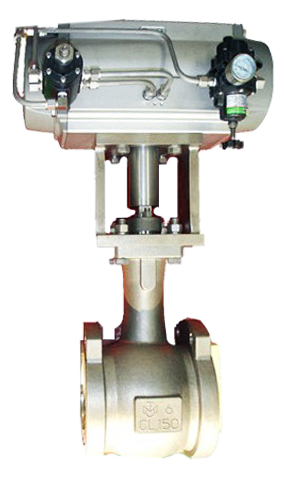
Pitch: 1" to 12"; DN25 to 30
Pressure: 150Lb to 600Lb; 1.6MPa to 10MPa
Temperature: -60 to 350 degrees Celsius
Medium: Water, coal slurry, catalyst or other slurry materials
Material: Carbon steel, austenitic stainless steel, duplex steel, etc.
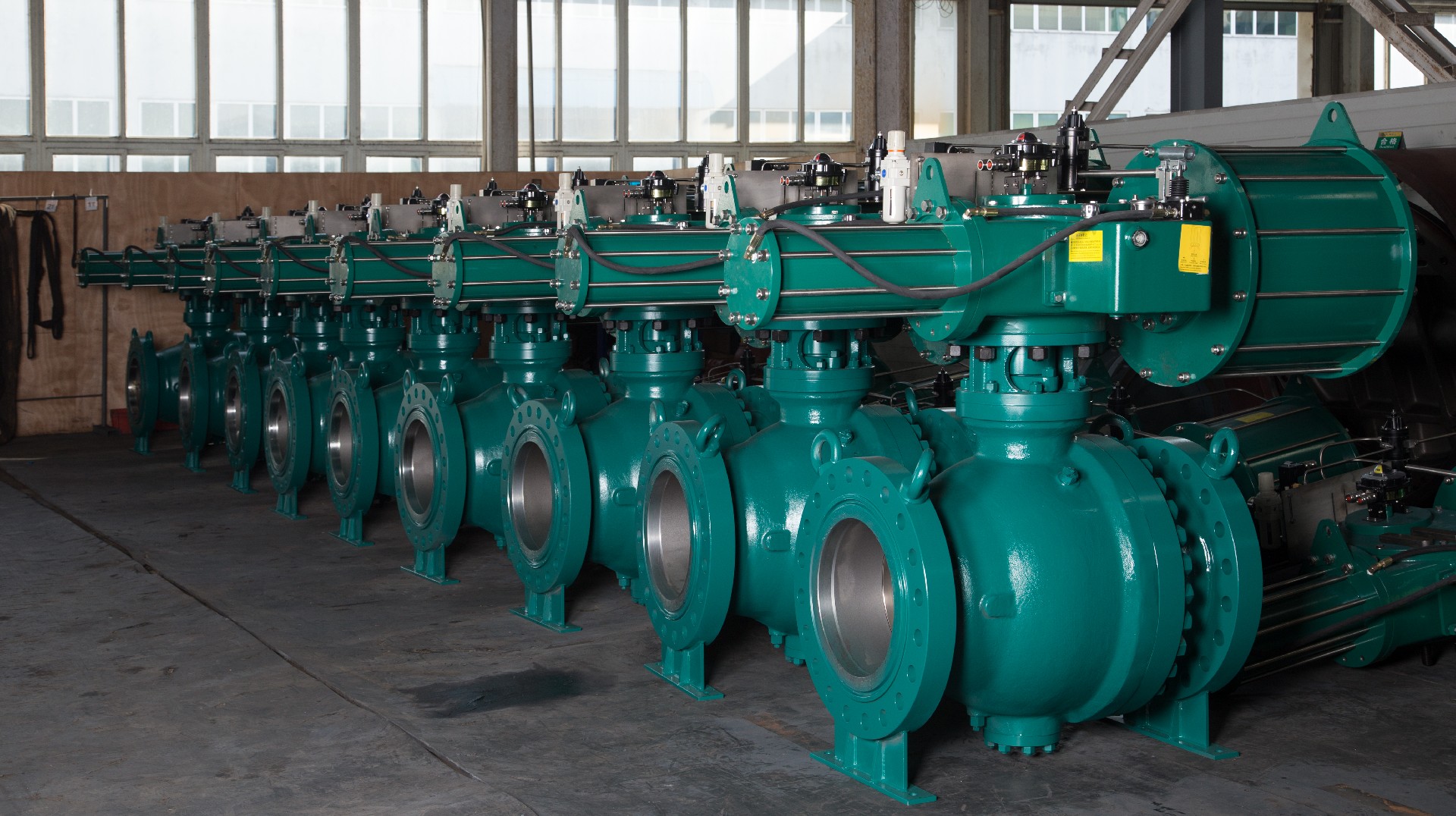
The eccentric rotary regulating valve, also known as the cam deflection valve, is a novel and highly efficient angle-travel regulating valve. It adopts a unique eccentric rotary working principle: the center of the valve core (usually spherical and conical) and the rotation center of the valve shaft are designed with an eccentric distance. When the actuator drives the valve shaft to rotate, the valve core performs an eccentric cam-like rotation relative to the center of the valve body, thereby changing the opening area of the flow path and achieving precise and continuous regulation of the medium flow. This valve is designed with a nominal diameter range of 1" to 12" (DN25 to DN300), and pressure ratings cover ANSI 150Lb to 600Lb (corresponding to PN1.6 to 10MPa). It has a wide temperature range, reaching -60℃ to +350℃, and can even be extended to 450℃ through special design.
The valve body is usually made by integral casting. The connection method is mostly flange connection. The structure is extremely compact, lightweight and easy to install. The valve material options are diverse, including carbon steel (such as WCB), austenitic stainless steel (304, 316), duplex steel, etc., to meet the requirements of different corrosive conditions. It is particularly suitable for handling high-viscosity, solid particle-containing, fiber-containing or easily crystallizing slurry-like media, such as coal slurry, catalyst suspension, pulp, sewage, etc. It plays a key role in the automatic control systems of industries such as petrochemicals, coal chemical industry, metallurgy, power, and papermaking.
1. The innovative eccentric rotation structure and excellent sealing performance
The core of the valve adopts a design combining an eccentric ball-shaped valve core and a flexible arm. When closed, the flexible arm of the valve core undergoes a slight elastic deformation under the thrust of the actuator, enabling the spherical surface and the sealing surface of the valve seat to achieve a tight linear or even face contact, forming a reliable "flexible seal". This structure enables the valve to have a shearing effect at the moment of closure, effectively cutting off fibers in the medium and automatically removing solid particles on the valve seat, possessing good self-cleaning ability, and is particularly suitable for unclean materials. It has a low leakage rate, and the metal hard seal can reach the ANSI B16.104 IV or V level standards.
2. Extremely high flow capacity and extremely low fluid resistance
The valve flow path design is simple and smooth, resembling a straight-through type. When the fluid passes through, there are few turns, resulting in very low flow resistance. Compared with single-seat valves or double-seat valves of the same nominal diameter, its rated flow coefficient (Cv or Kv value) is significantly larger. This means that it can handle more flow under the same pressure difference, or when meeting the requirements for large flow regulation, a valve with a smaller diameter can be selected, which helps to save equipment investment and space.
3. Outstanding wear resistance and erosion resistance with long service life
For the harsh wear conditions of the slurry medium, the sealing surfaces of the valves have adopted various strengthening schemes. The most common one is to weld Stellite (a cobalt-based hard alloy) on the surfaces of the valve core and valve seat, which has high hardness (with HRC reaching above 40), excellent wear resistance, high temperature resistance, and corrosion resistance. For extremely worn situations, such as in the water coal slurry system of coal chemical plants, more advanced ceramic inlay valve cores (such as nano-zirconia) technology can be used. Ceramic materials have extremely high hardness and erosion resistance, which can significantly extend the service life of the valves. The valve stems are usually subjected to quenching and surface nitriding treatment to enhance their corrosion resistance and anti-abrasion ability.
4. Wide adjustable range and stable adjustment characteristics
This valve boasts outstanding regulating performance. The adjustable ratio (R) of the full-bore model can reach up to 100:1, and the reduced-bore model can also achieve 40:1. This means that the valve can precisely and effectively regulate linear or approximate percentage flow characteristics over an extremely wide range from very small flow to large flow. It has high control accuracy and good stability, avoiding the instability of regulation at small opening degrees.
5. Low-friction operation and high reliability
Since the valve core and valve stem only perform rotational motion, compared with traditional linear valves, the friction between them and the packing is smaller, and the required operating torque is lower. This enables the matching actuator to be more miniaturized, and the opening and closing is easier. The valve has good overall rigidity and large output force, and can operate reliably under a higher rated pressure difference. It has strong vibration resistance and ensures the stability of long-term operation.

Follow us
WeChat Official Account


Copyright © 2026 Shanghai Kigon Valve Co., Ltd. Statement
Technical Support:Pro Insurance Network