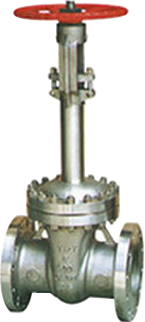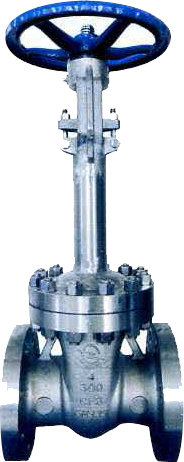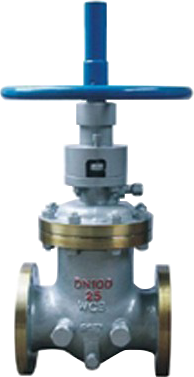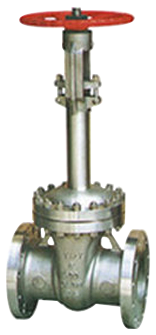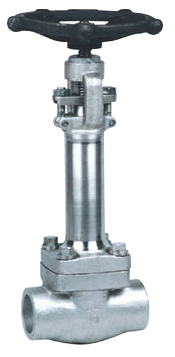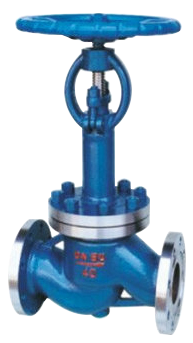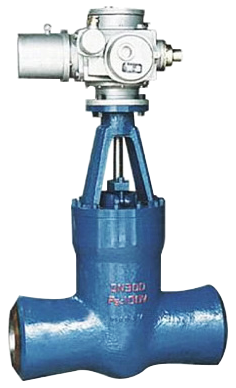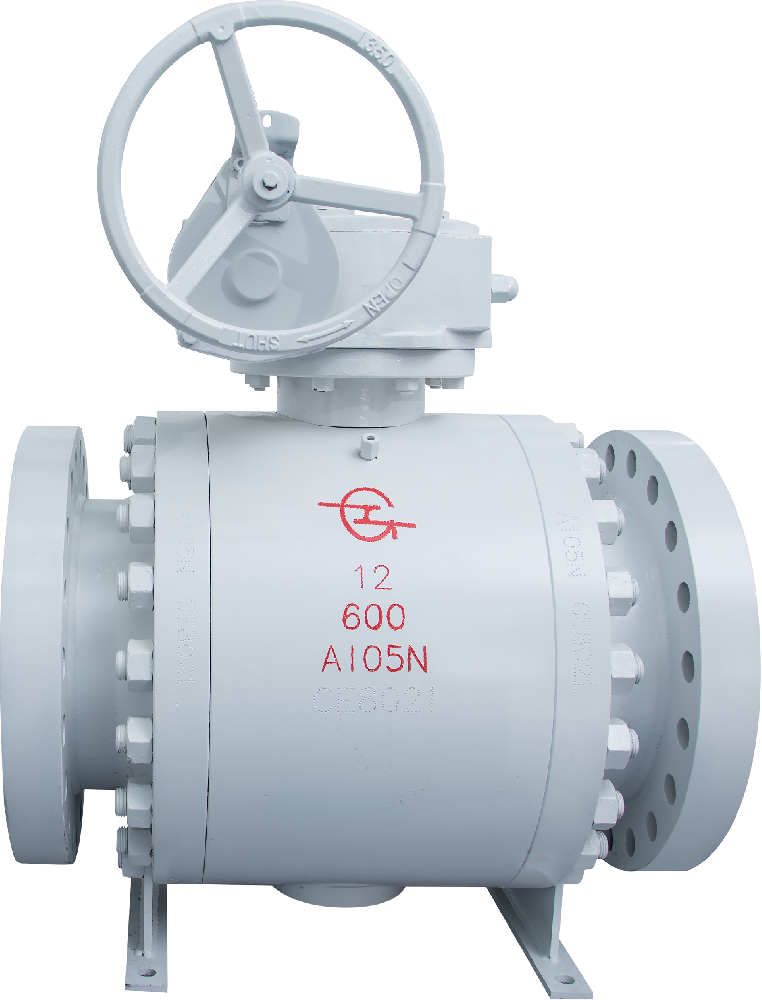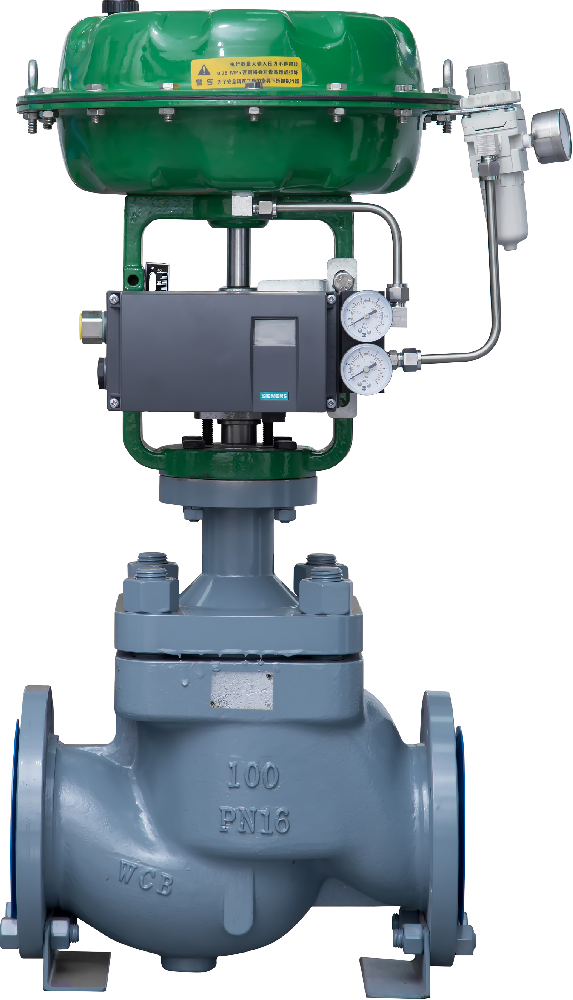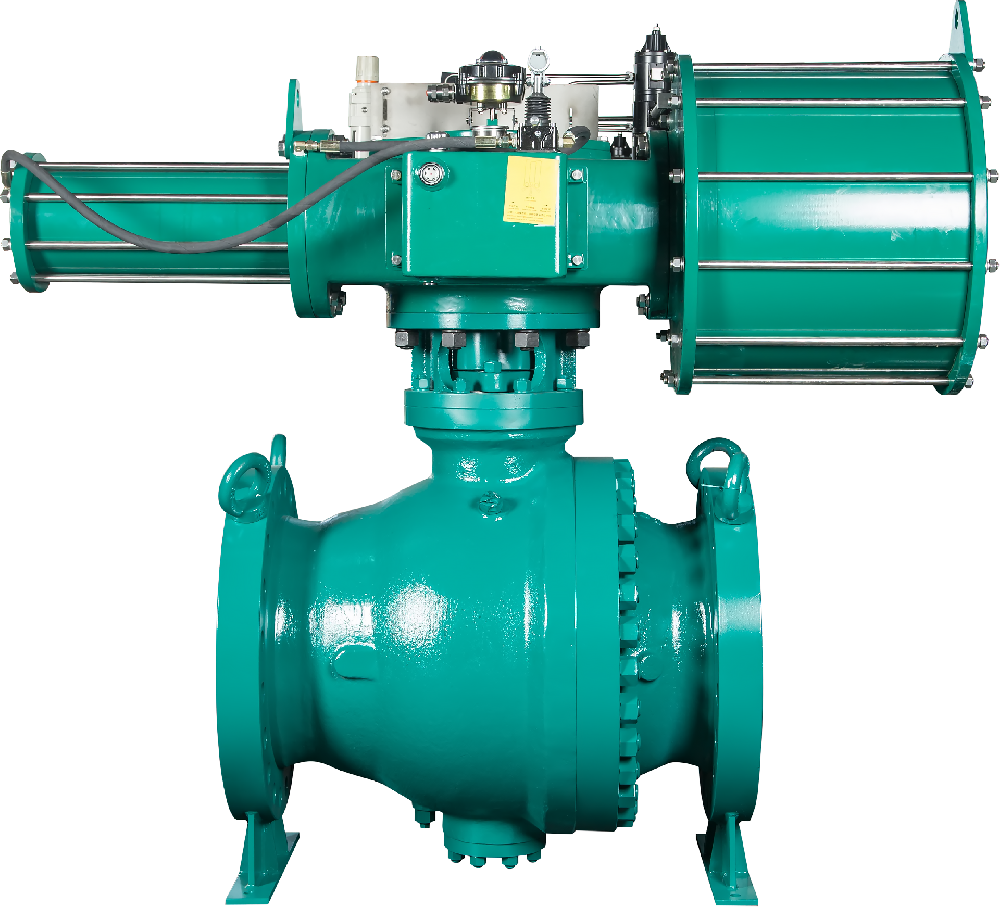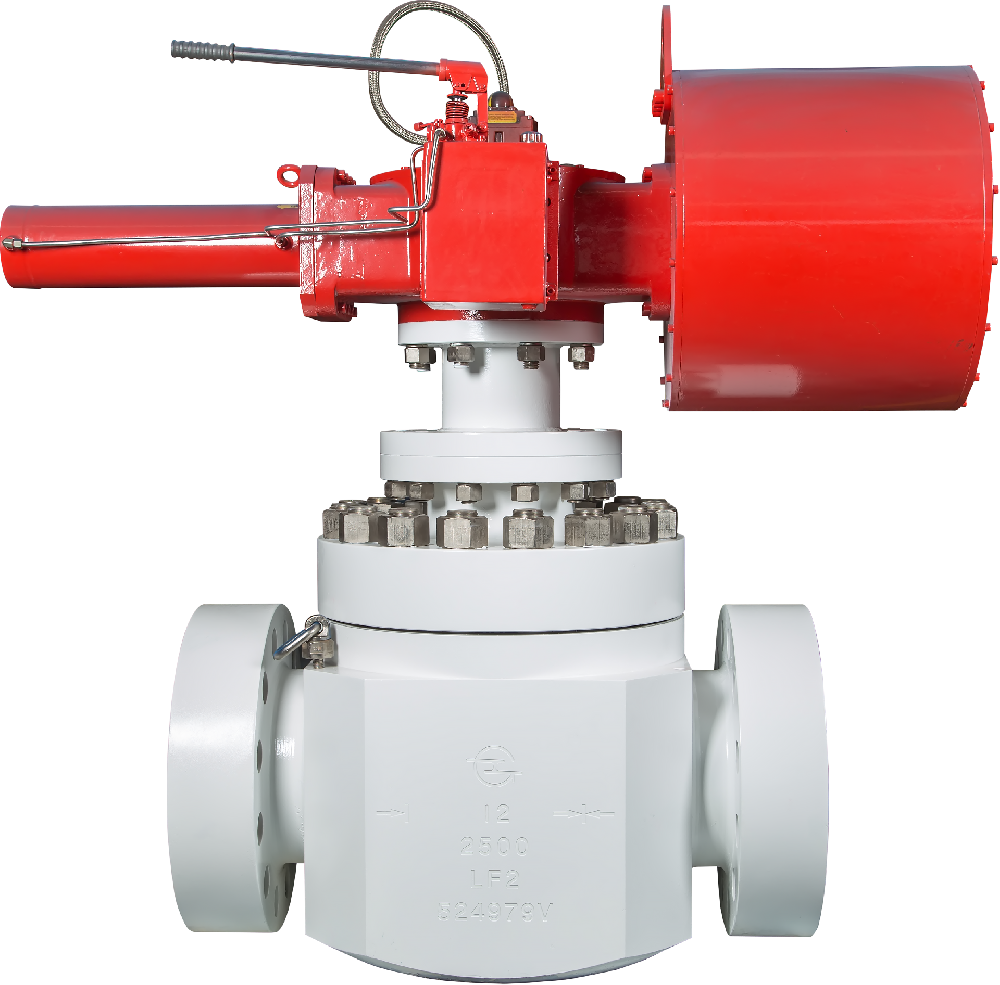

In the HVAC and fire protection systems industry, valves are the core control components of building equipment and life safety systems. Their significance is profound and crucial. They not only affect the energy efficiency of buildings and the comfort of indoor environments, but also directly bear the sacred responsibility of protecting life and property safety in emergency situations such as fires. Their effectiveness runs through the entire process of building operation and emergency response.
Its core function is focused differently in the two systems, yet they are also interrelated:
In the HVAC system, valves serve as the "precise regulators" that help create a highly efficient, stable and comfortable indoor climate environment.
Hydraulic balance and flow distribution: In complex heating and cooling network systems, through precise setting and adjustment of static balance valves, dynamic balance valves, and differential pressure controllers, the inherent hydraulic imbalance in the system can be overcome, ensuring that heat and cold are uniformly and reasonably delivered to each end device (such as fan coil units, air conditioning boxes, radiators), avoiding the situation where the near end is overheated/overcooled while the far end is not hot/cold. This fundamentally improves the system's energy efficiency and user comfort.
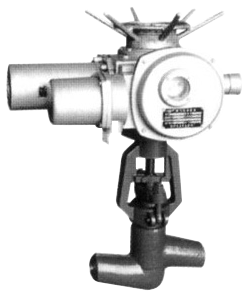
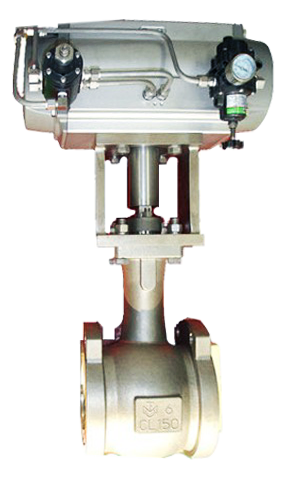
Precise control of temperature and energy: The electric regulating valve, three-way valve, and the automatic control system are linked together. They can adjust the flow of steam, hot water, or cold water entering the heat exchange equipment in real time and linearly based on parameters such as indoor temperature and humidity, climate compensation, etc., achieving precise temperature control of the indoor environment and minimizing energy waste to the greatest extent.
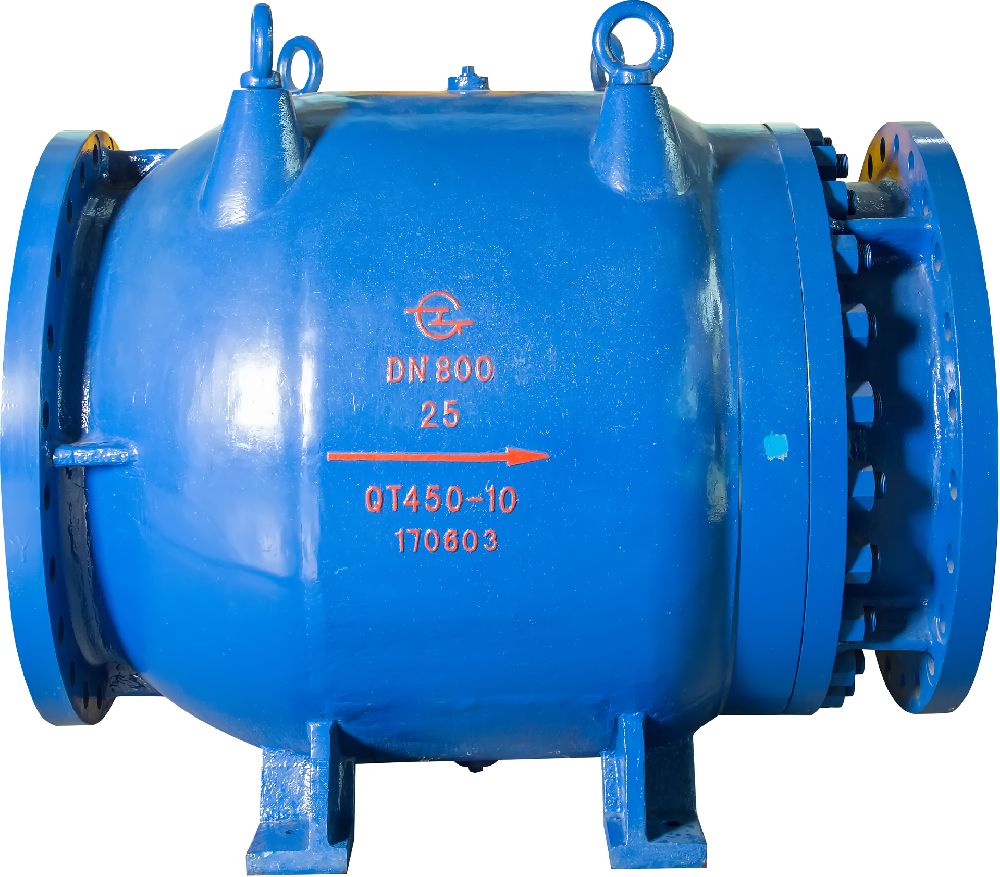
System safety and stable operation: Safety valves and pressure relief valves prevent the system from overpressure due to thermal expansion and other reasons; check valves prevent water hammer from reversing flow when the water pump stops; Y-type filters and drain valves protect precision equipment from impurities. These valves together form a protective net for the stable operation of the system.
In the building fire protection system, valves are the "loyal guardians" that ensure the reliable delivery of fire-extinguishing media and keep the system always in a state of readiness for emergency response.
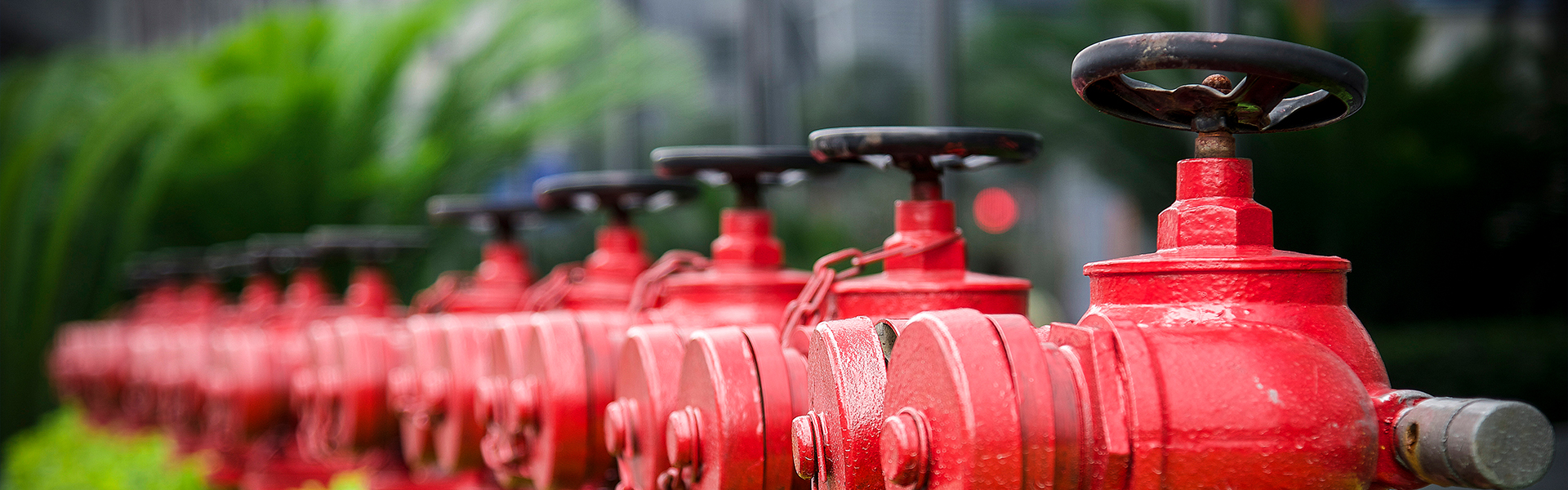
Reliable isolation and readiness guarantee of the system: In water fire protection systems such as sprinklers and fire hydrants, the signal gate valve and butterfly valve are the main isolation valves of the system. Their normally open state is monitored. Any accidental closure will trigger an alarm to the fire control center to ensure that the water supply channel for fire fighting is always unobstructed. Special valves such as wet alarm valves and pre-action valves are the "heart" of the automatic sprinkler fire extinguishing system, controlling the release of water and sending out alarm signals.
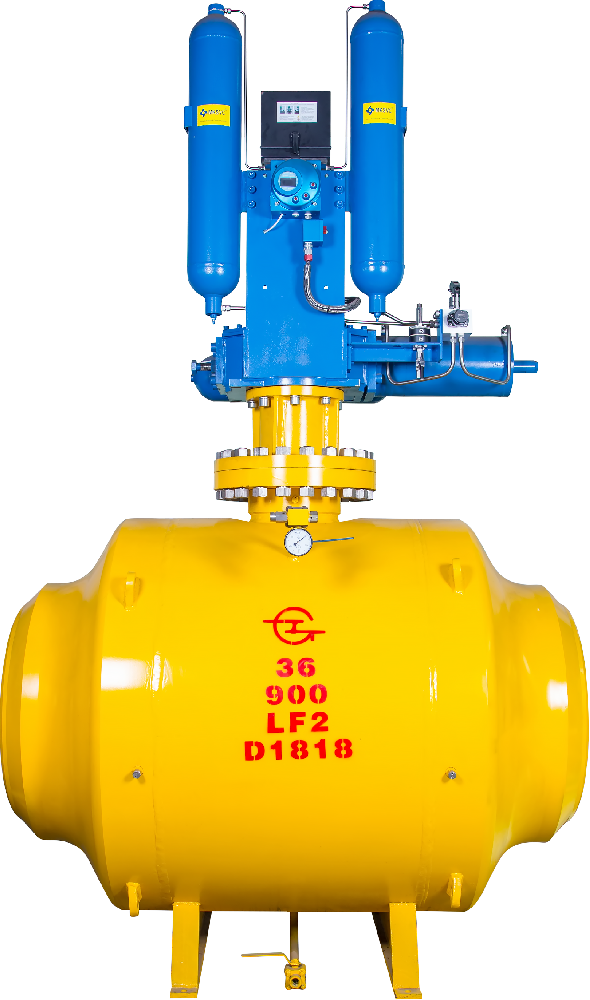
The rapid and targeted delivery of fire-extinguishing media: In a gas fire suppression system, the network composed of container valves, selection valves, and one-way valves ensures that after a fire alarm, the fire extinguishing agent can be released rapidly and without leakage to the protected area along the predetermined path. The rapid response and reliable operation of the valves are the key to the success of the fire suppression.
Control of special smoke prevention and exhaust systems: In the mechanical smoke prevention and exhaust system, fire dampers, smoke exhaust fire dampers, and smoke exhaust valves automatically open and close in response to fire signals, serving to block the spread of fire, expel toxic smoke, supply fresh air, and create a valuable "life passage" for personnel evacuation and fire rescue.

The application advantages of valves in the HVAC and fire protection industries stem from their deep response to the safety, energy conservation and intelligence requirements of buildings:
Outstanding reliability design and long-term stability. Fire valves must meet national mandatory certifications (such as CCCF) as well as international standards like UL and FM, undergoing rigorous durability, shock and fire resistance tests to ensure absolute reliability as "having a thousand days of training, using it for one day". HVAC valves need to maintain adjustment accuracy and sealing performance in constantly changing temperatures and water erosion environments, with materials and craftsmanship ensuring their long-term maintenance-free operation.
Precise regulation performance and significant energy-saving benefits. Modern HVAC valves, especially those with dynamic balance and electric regulation features, possess excellent flow characteristics and regulation ratios. They can be seamlessly integrated with building automation systems to achieve on-demand energy supply, eliminate excessive delivery, and can lead to up to 15%-30% savings in system pump power consumption and energy consumption. They are the key hardware for achieving energy-saving goals in green buildings.
Intelligent integration and remote management capabilities. Whether it is a regulating valve equipped with an electric actuator and valve position feedback, or a signal valve with a microswitch that can transmit status signals to the fire control center, valves have become the nerve endings of the building Internet of Things. They support remote monitoring, fault warning, data analysis and centralized scheduling, significantly enhancing the intelligence level of property management and the speed of emergency response.
Compact structure and convenient installation and maintenance. Considering the limited space of buildings, valve designs tend to be compact and lightweight. Clamp connections and threaded connections simplify the installation process. Many valves are designed with online maintenance functions, such as replaceable valve seats and adjustable seals, enabling maintenance work to be carried out locally without the need for large-scale disassembly of the system, thereby reducing interference with the normal operation of the building.
Widely adaptable materials and environmental tolerance. The valve material can handle a variety of media and environments: from hot water, chilled water, chemical agents to fire-fighting brine; from damp machine rooms, hot pipe shafts to exposed roofs in the atmosphere. By choosing bronze, cast iron, cast steel, stainless steel and special coatings, it ensures that the valve can withstand corrosion, scaling and wear throughout its entire life cycle.
In conclusion, in the "blood vessels" (piping system) and "nerves" (control system) of modern buildings, HVAC and fire protection valves are the cornerstone for ensuring the healthy, safe and efficient operation of the buildings. They have evolved from basic mechanical components into high-tech products that integrate safety protection, energy conservation control, and intelligent management. Choosing a valve solution with outstanding performance, complete certifications, and professional services is a wise choice and solid guarantee for architectural design units, developers, and property managers to achieve building safety compliance, improve operational quality, and fulfill sustainable development responsibilities.

Follow us
WeChat Official Account


Copyright © 2026 Shanghai Kigon Valve Co., Ltd. Statement
Technical Support:Pro Insurance Network