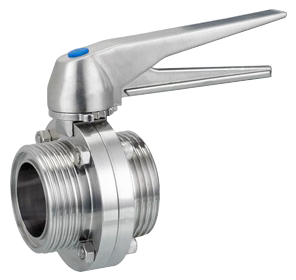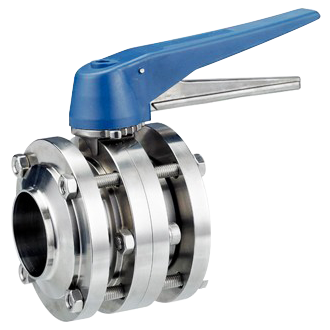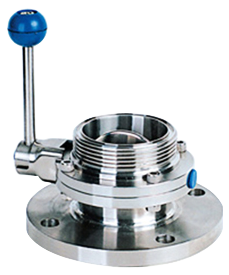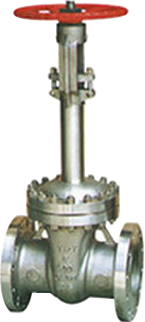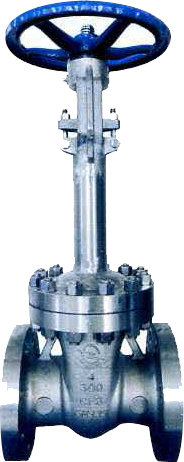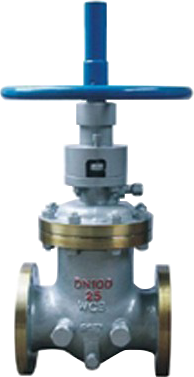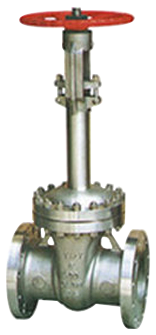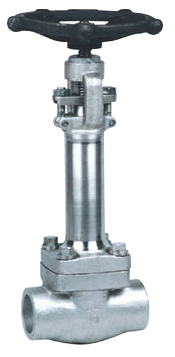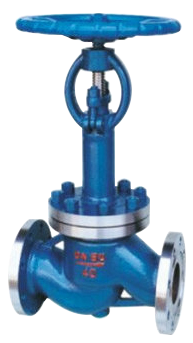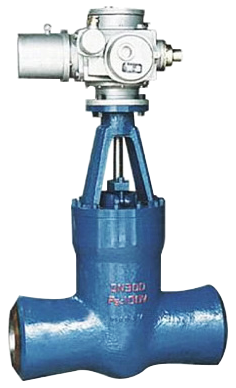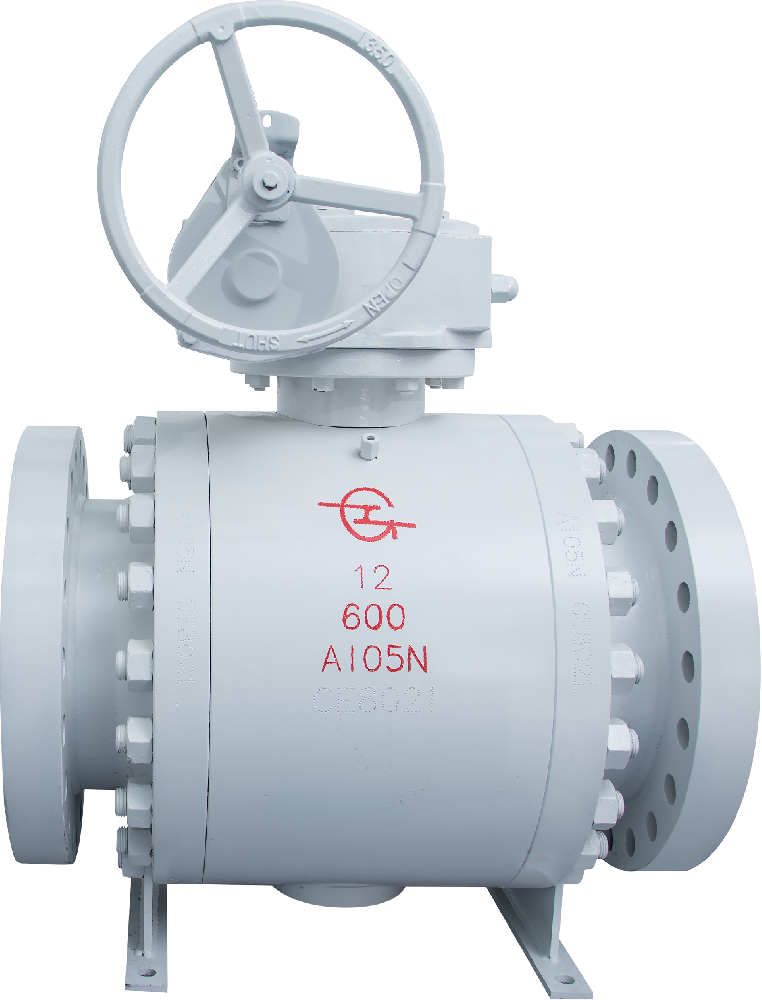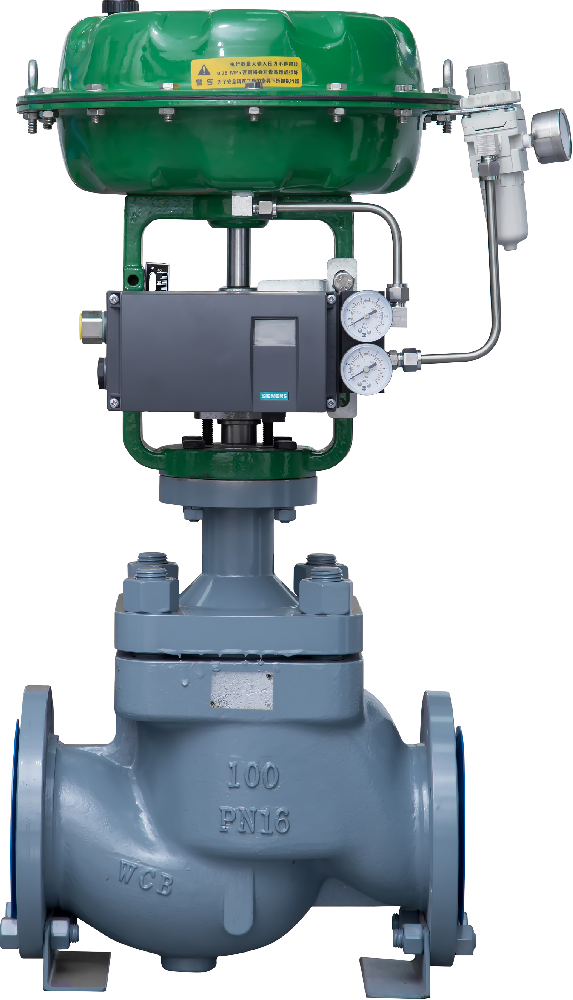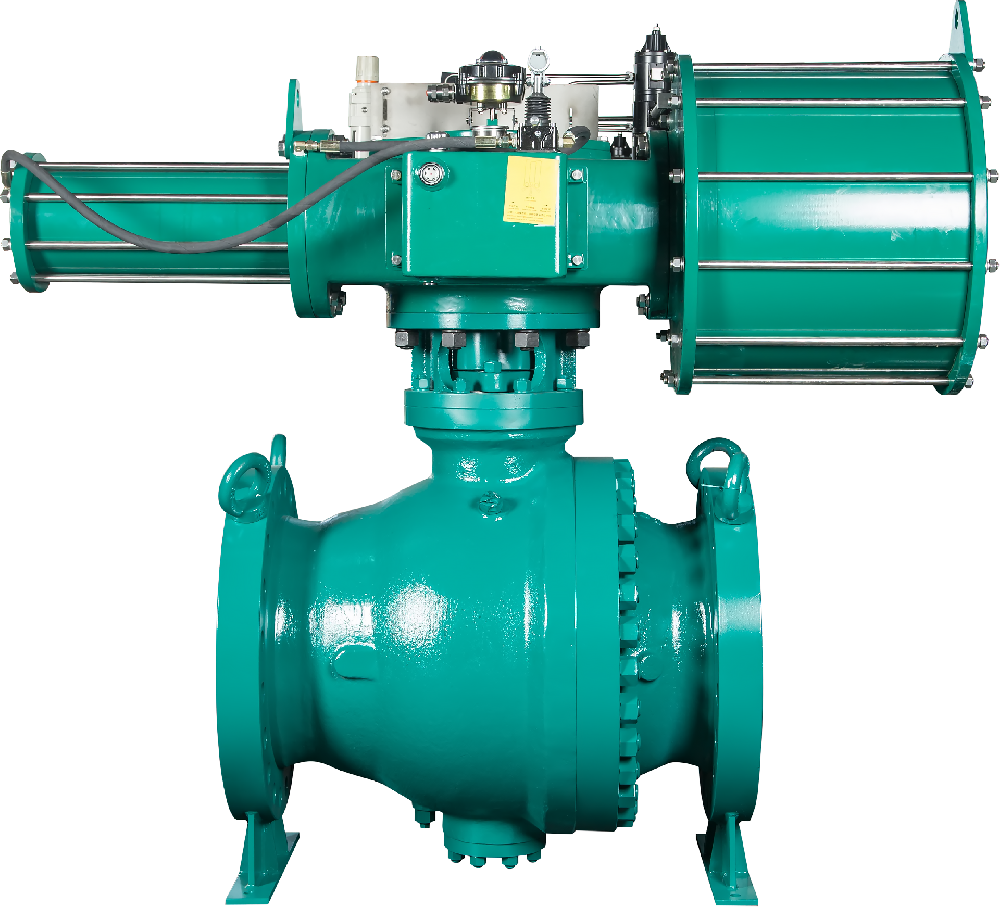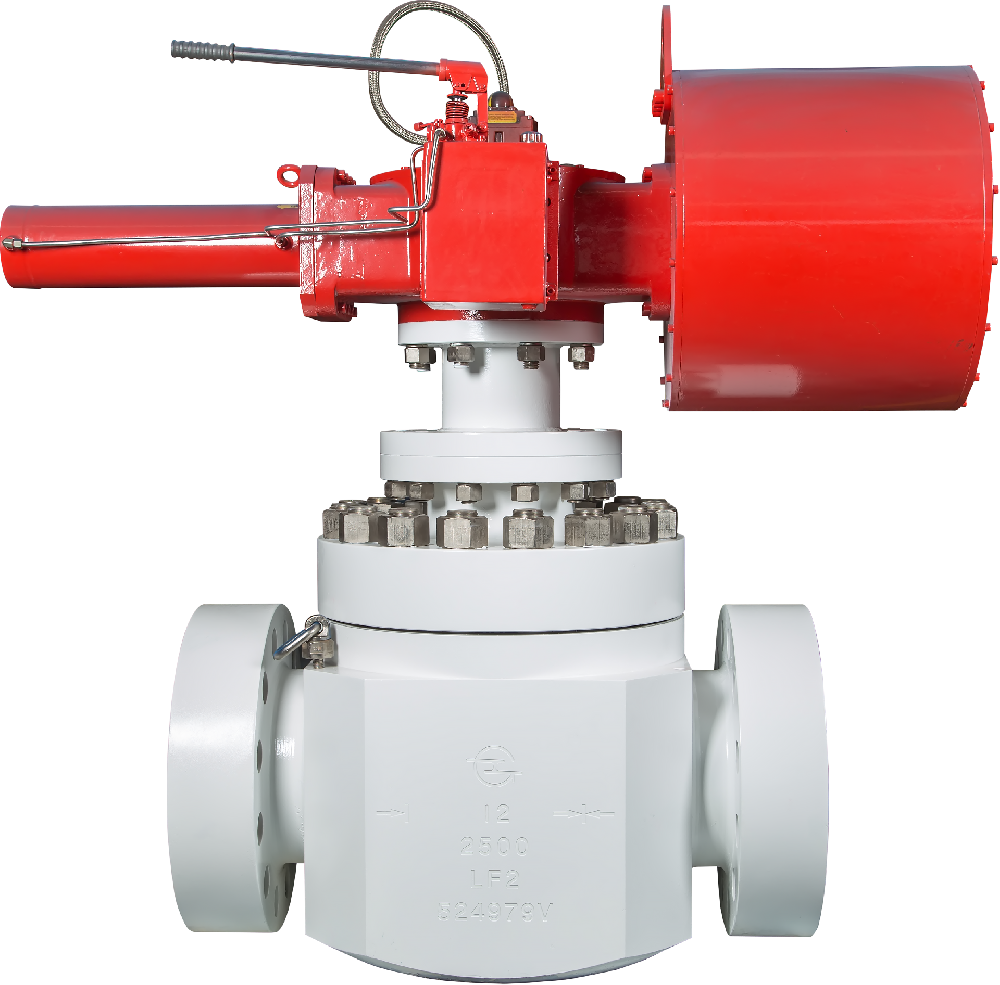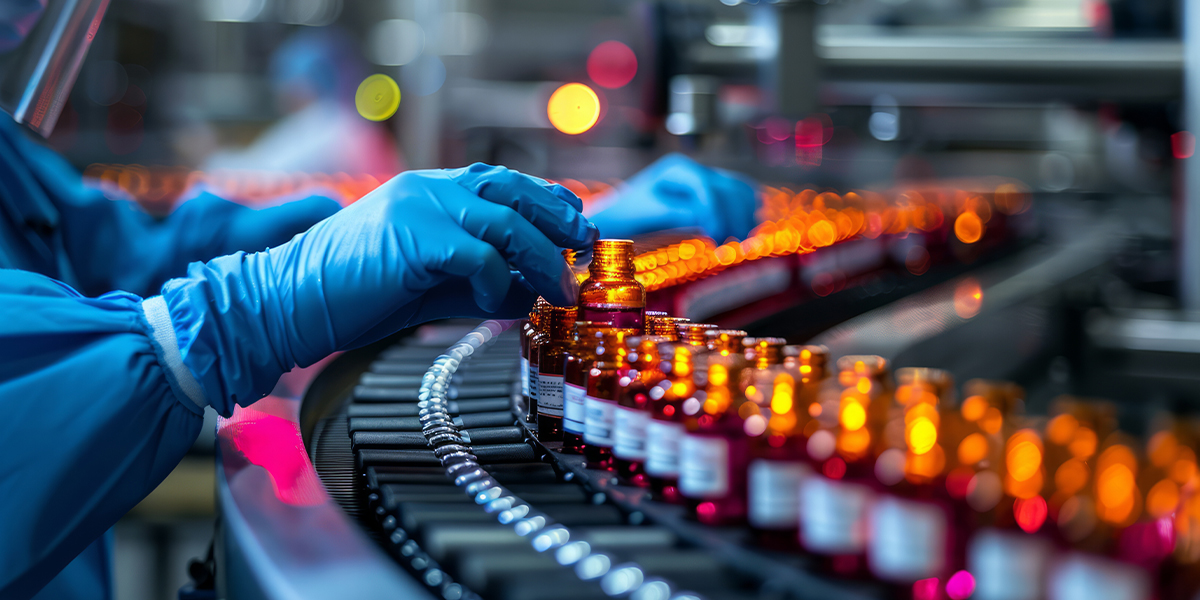

In the food and pharmaceutical industries, where hygiene safety, product quality and compliance with regulations are requirements that are extremely strict, valves have far exceeded their role as ordinary pipe accessories. They directly participate in the entire process of product formulation, processing, transportation and cleaning and disinfection. They are the key infrastructure that ensures the cleanliness and sterility of production lines, prevents cross-contamination, guarantees precise and controllable processes, and ultimately maintains the health and safety of consumers and the efficacy of medications.
Its core function is deeply integrated into every key aspect of the production process:
Firstly, in terms of ensuring absolute hygiene and safety of the product and preventing contamination, valves play a crucial role as the "cleaning guardian". The industry must eliminate any possible biological contamination, chemical contamination, and foreign matter intrusion. Therefore, all valve components (i.e., flow-through components) in contact with the product must be made of stainless steel that meets food-grade or pharmaceutical-grade standards (such as AISI 316L), and undergo high-standard mechanical polishing or electrolytic polishing to achieve an extremely low surface roughness (Ra value), achieving a mirror-like effect, thereby achieving a truly "no dead corners, no residues" design. This effectively prevents microbial attachment and growth on the surface and ensures that the cleaning medium (CIP) and sterilization medium (SIP) can thoroughly wash all inner surfaces. Special valves (such as sterile diaphragm valves, hygienic butterfly valves/spherical valves) have a structural design that avoids medium stagnation, serving as the cornerstone for maintaining a sterile environment and batch-to-batch cleanliness.
Secondly, in terms of achieving precise process control and automated production, valves are crucial execution units that ensure the uniformity and reproducibility of product quality. Whether it is pasteurization of liquid food, temperature maintenance during UHT treatment, or feeding of fermentation tanks, addition of reactors, and distribution of purified water in the pharmaceutical industry, valves are required to precisely control flow, pressure, and temperature. The precise coordination of control valves, metering valves, and automated actuators (pneumatic/electric) enables them to respond to instructions from process control systems (such as PLC, DCS), achieving precise additions of up to the milliliter level or seamless process switching within fractions of a second. This is crucial for ensuring the stability of product flavor, nutritional components, or the active ingredients of drugs.
Thirdly, in terms of supporting efficient online cleaning and sterilization processes, valves are indispensable key components. The production lines in the food and pharmaceutical industries must undergo thorough online cleaning (CIP) and online sterilization/disinfection (SIP) on a regular basis. Therefore, valves need to have matching tolerance and functionality. For instance, valves must be able to withstand repeated impacts from high-temperature saturated steam or chemical disinfectants; their sealing materials (such as EPDM, FKM, PTFE) must remain stable at high temperatures; and the structural design of the valves themselves (such as full diameter, self-draining) must facilitate the complete coverage and drainage of the cleaning medium, without any possible "hygiene blind spots" where contaminants could accumulate. Three-piece sanitary ball valves and other structures that can be quickly disassembled provide convenience for deep manual cleaning and verification.
Fourth, in terms of meeting strict regulatory certifications and quality system requirements, the valve itself serves as an important proof of compliance. From design to production, the product must adhere to and be able to provide evidence that complies with a series of internationally recognized standards and regulations, such as:
Pharmaceutical industry: Must comply with cGMP (Current Good Manufacturing Practice) requirements. Materials must meet USP Class VI or FDA regulations. Design should follow ASME BPE (Biological Processing Equipment) standards.
Food and beverage industry: Must comply with relevant provisions of FDA 21 CFR and obtain certifications such as 3-A and EHEDG for hygiene design.
The use of valves with these certifications is the fundamental prerequisite for enterprises to pass audits and inspections by authoritative institutions at home and abroad (such as the US FDA, EU EMA, and China NMPA), and to ensure the legal listing and sales of their products.

The application advantages of the valve in this industry stem from its highly specialized design tailored to the specific needs of the industry:
Top-notch sanitary design and material compliance. Industry-specific valves eliminate pollution risks at the source. The ultra-high precision polishing of the flow surface, seamless clamp connections (such as SMS, DIN, ISO standards), and self-emptying design enable reliable sanitary protection. All compliance documents for contact materials (material certificates, polishing degree test reports) are complete and traceable, fully meeting the strict requirements of food and drug regulatory agencies.
Outstanding corrosion resistance and temperature resistance. Valves need to handle various media including strong acid and alkali CIP cleaning solutions, high-temperature steam, etc. By selecting high-quality 316L stainless steel, special alloys, or polymer sealing materials that meet hygiene requirements, the valves are ensured to operate stably for a long time under harsh chemical and thermal cycling conditions without corrosion, aging, or releasing harmful substances.
High reliability and sealing integrity. Whether it is preventing the leakage of expensive active ingredients or isolating cross-contamination between different batches of products, the sealing reliability of the valve is of vital importance. By using high-quality sealing components, precise processing techniques, and optimized sealing designs (such as disc-shaped spring self-compensation), it is ensured that the valve can achieve bubble-level or even higher levels of sealing after thousands or even tens of thousands of opening and closing cycles.
Flexible configuration and automated integration capabilities. To adapt to diverse production line layouts and process flows, valves offer a wide range of connection methods (clamps, welding, threads), multiple actuator options (manual, pneumatic, electric), and various accessories (position indicators, flow sensors). They can be easily integrated into fully automated production lines, enabling unmanned operation, data recording, and remote monitoring, thereby enhancing production efficiency and consistency.
Economicity and verifiability throughout the entire lifecycle. Although the initial investment may be high, the long lifespan, low failure rate, and easy cleaning characteristics of professional sanitary valves significantly reduce maintenance costs, downtime, and water/chemical consumption during long-term operation. Their easily disassemblable and inspectable structure also facilitates regular cleaning verification and equipment confirmation (DQ/IQ/OQ/PQ), providing convenience for the continuous maintenance of the quality system.
In conclusion, in the food and pharmaceutical industry, which is crucial for human health, valves have evolved from an industrial component to a key part of the quality management system. Choosing a valve solution that meets the highest hygiene standards, has outstanding performance, and has complete compliance documents is not only an essential investment for enterprises to ensure product safety and efficacy, but also a solid technical foundation for them to fulfill their social responsibilities to consumers, build brand trust, and gain an advantage in global market competition.

Follow us
WeChat Official Account


Copyright © 2026 Shanghai Kigon Valve Co., Ltd. Statement
Technical Support:Pro Insurance Network