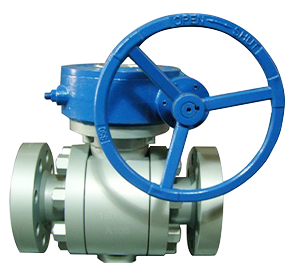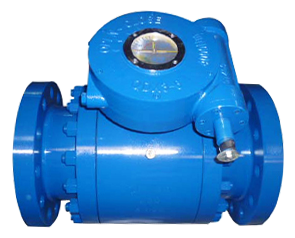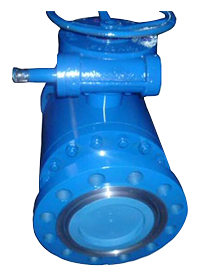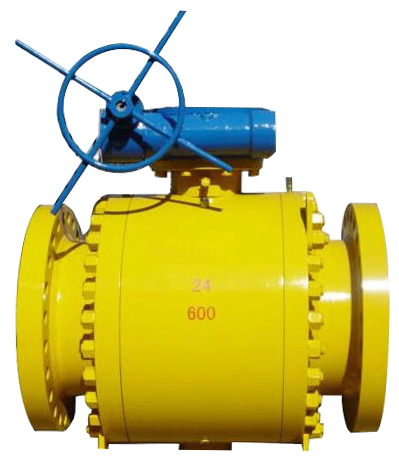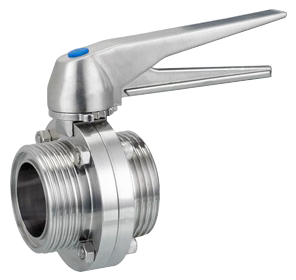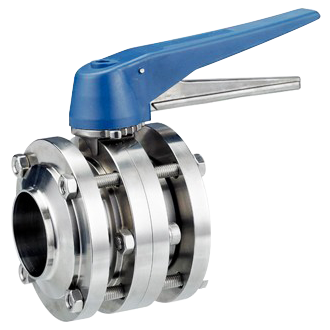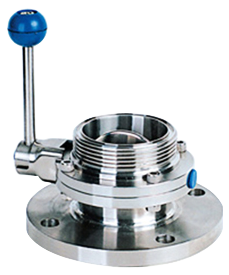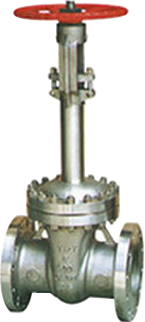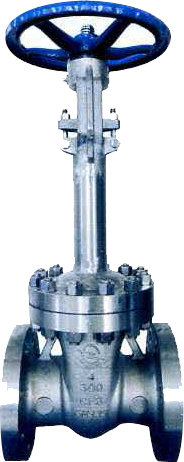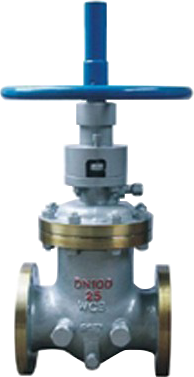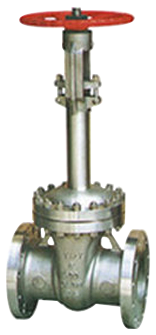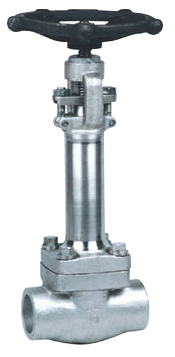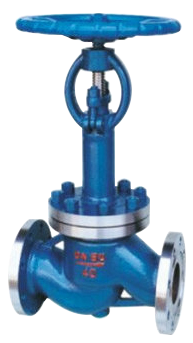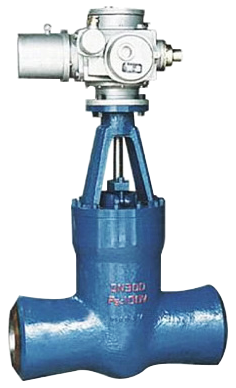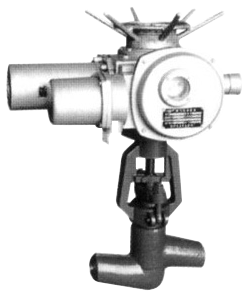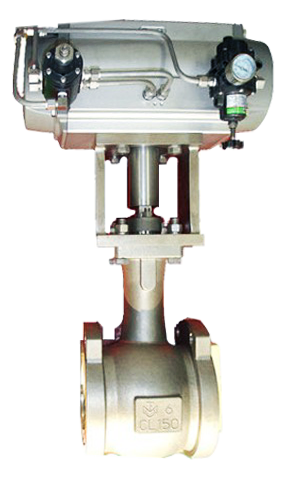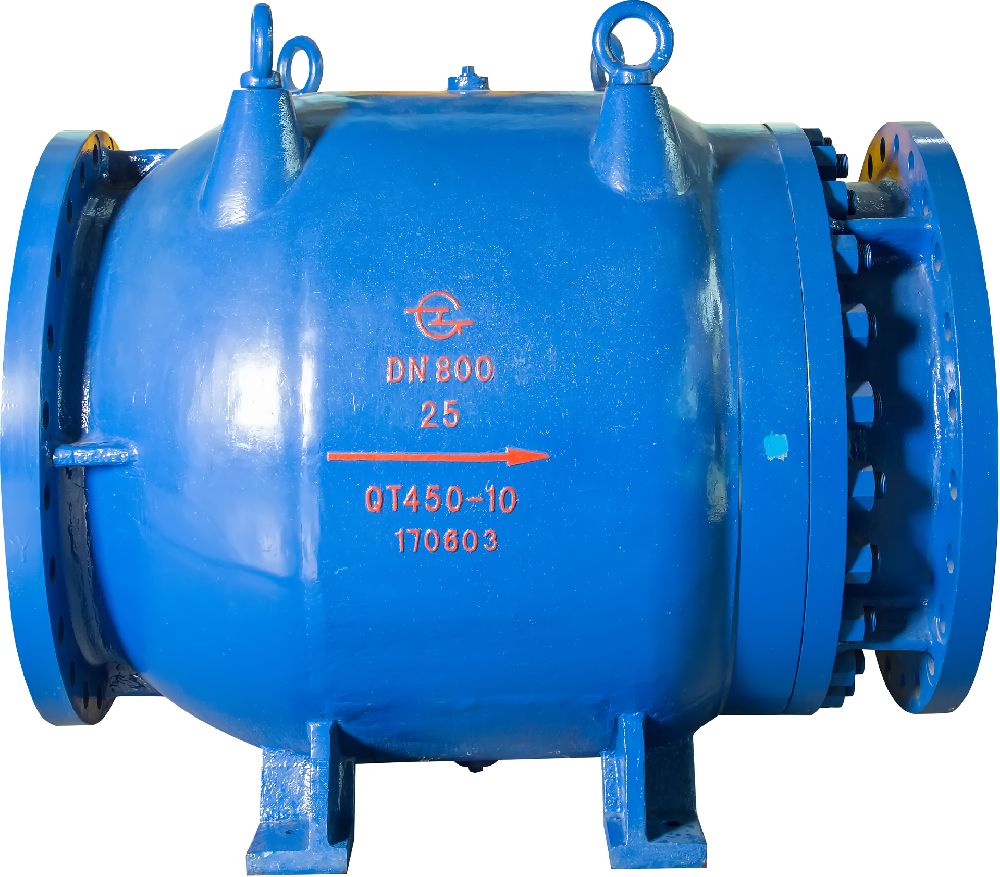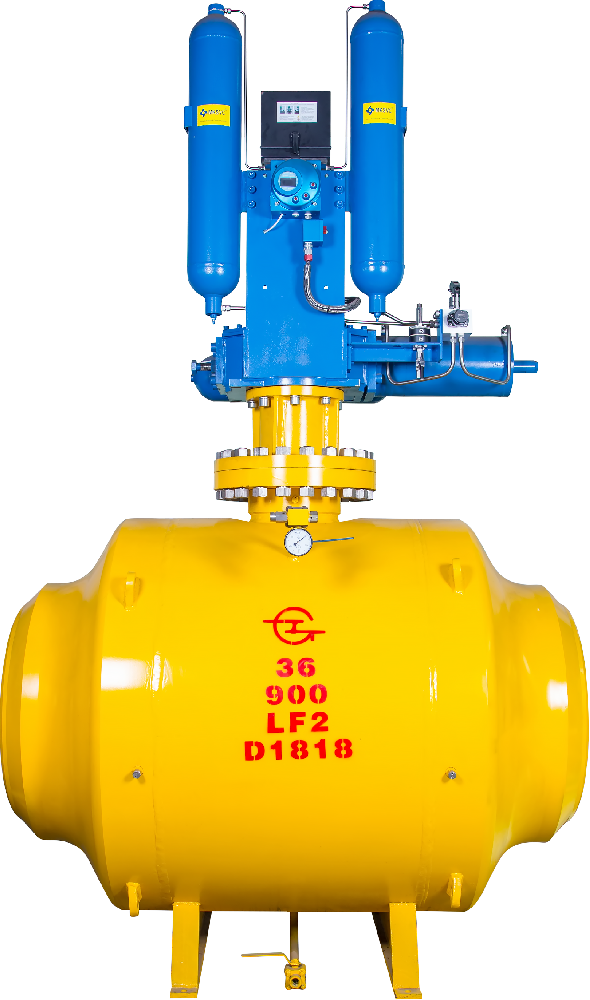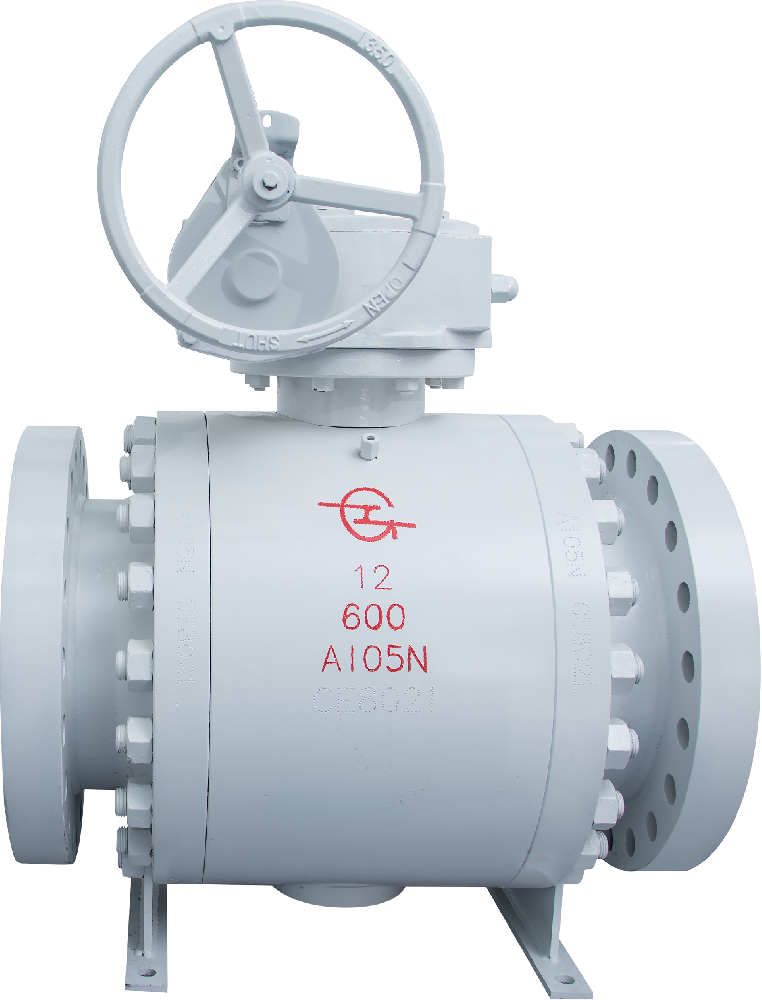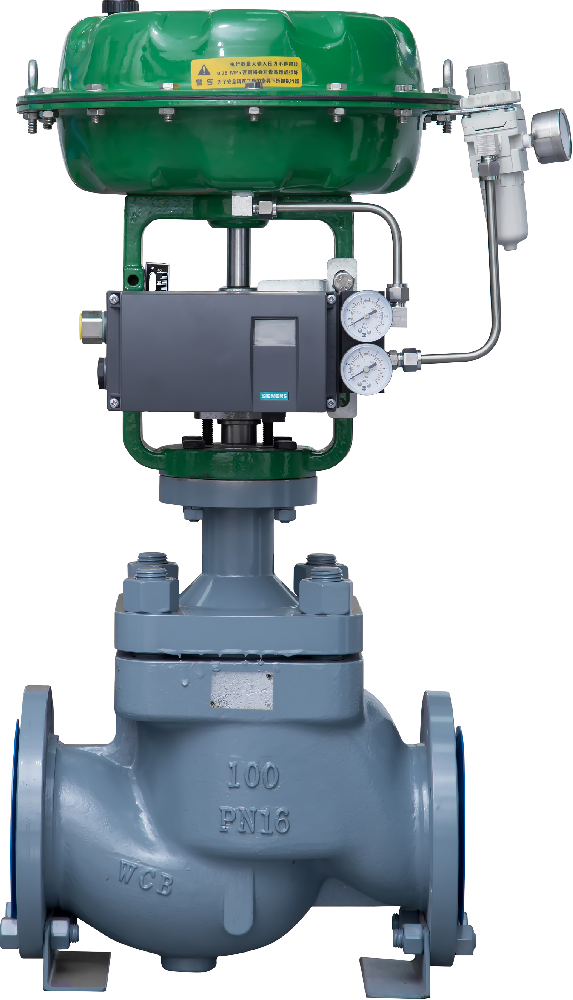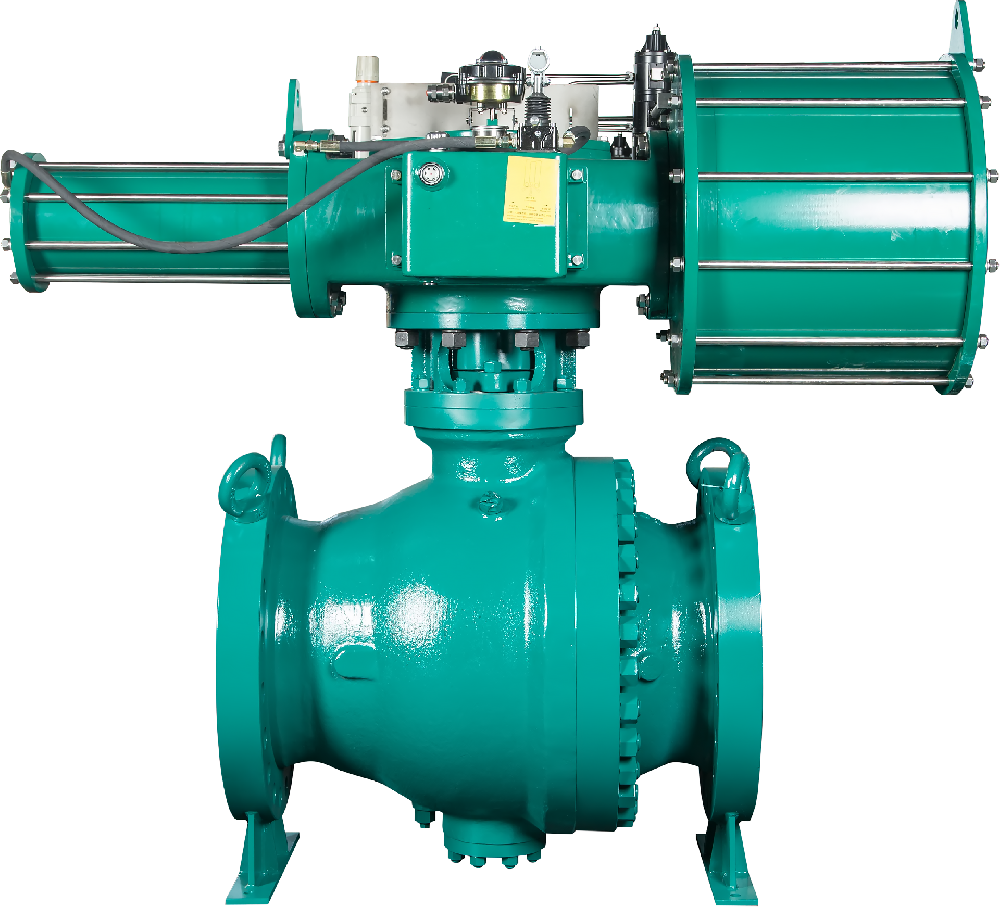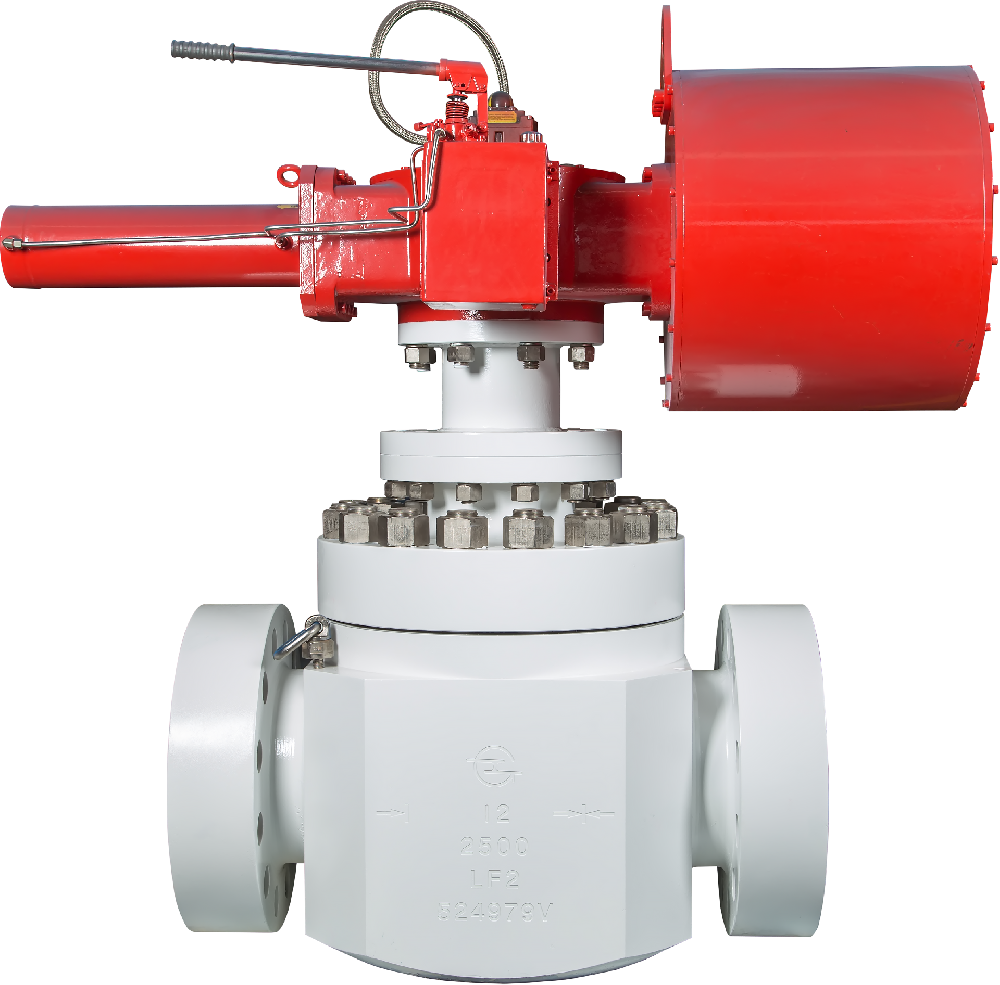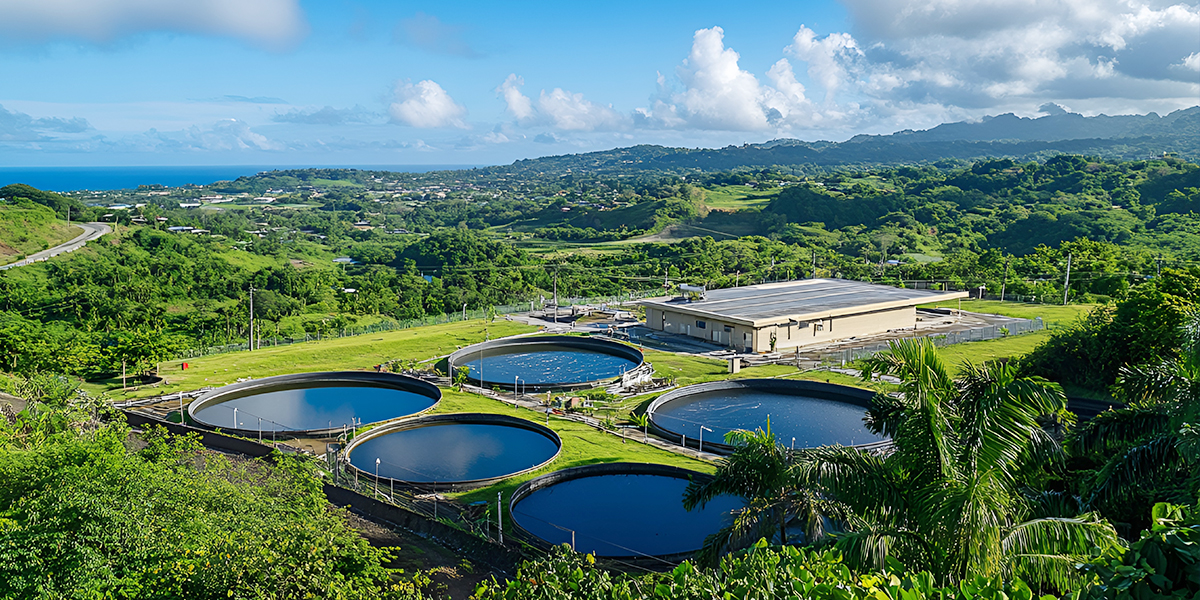

They not only ensure the continuous, stable and efficient operation of the treatment process, but are also an indispensable hardware foundation for achieving precise control, energy conservation and consumption reduction, meeting discharge standards and resource utilization. They can be regarded as the "joints" and "control center" of wastewater treatment plants.
Its core function is deeply integrated into the entire process of wastewater transformation from "polluted" to "clean":
Firstly, in the pre-treatment and primary treatment stages, valves serve as the first line of defense for controlling coarse media and protecting equipment. In the pump intake room, valves are used to isolate the pumps, facilitating maintenance; before and after the grating, they are used to control the water flow channels. For raw sewage containing a large amount of solid impurities, fibers, and sand, the knife-type gate valve, due to its powerful shearing ability and anti-clogging design, becomes an ideal choice for interception and regulation. They must reliably cut off the medium flow containing various foreign objects, protecting subsequent fine grating, sedimentation tanks, and other precision equipment from the impact and damage caused by large pieces of garbage.
Secondly, in the core biochemical treatment and secondary treatment stages, valves serve as the key regulators that ensure the accuracy and reliability of the biological reactions. In key structures such as the aeration tank, anaerobic/anoxic tank, and secondary sedimentation tank, valves precisely control the flow and direction of wastewater, sludge return liquid, mixed liquid, and aeration air (or pure oxygen). Electric or pneumatic control valves, butterfly valves, dissolved oxygen (DO) meters, sludge concentration (MLSS) meters, and other online instruments are linked together to adjust the aeration volume or return ratio in real time, creating the optimal growth and metabolism environment for microorganisms and ensuring the efficiency of biochemical treatment. This is the core for the stable operation of the sewage treatment plant and meeting the high-standard discharge requirements.
Thirdly, in the stages of deep treatment, disinfection and reuse, valves play the role of quality controllers for achieving deep water purification and safe discharge/reuse. In filter tanks (such as V-shaped filter tanks, activated sand filter tanks), membrane treatment systems (MBR, UF), ultraviolet or chemical disinfection devices, valves control key processes such as filtration, backwashing, chemical cleaning, and disinfectant addition. For example, pneumatic diaphragm valves are used for precise addition of coagulants and disinfectants; special butterfly valves or ball valves are used for the automatic backwashing program of the filter tank. These valves must be resistant to chemical corrosion and have reliable sealing to ensure the effectiveness of deep treatment and the safety and stability of the final effluent water quality.
Fourth, in the sludge treatment and disposal process, valves need to handle the most challenging media. During the processes of sludge concentration, dewatering, digestion, and drying, valves control the sludge slurry with high concentration, high viscosity, prone to caking, and corrosive. Full-port, scraper-equipped or streamlined design gate valves, plunger valves, eccentric rotary valves, etc. are widely used. They must be able to effectively prevent sludge from adhering and clogging, and withstand long-term wear to ensure the continuous operation of the sludge treatment line and achieve the reduction, stabilization, and resource utilization of sludge.
Fifth, in terms of the utility systems and safe operation of the entire plant, valves serve as the cornerstone for ensuring the overall safety and energy conservation of the system. In the dosing room, valves control the storage and addition of corrosive chemicals such as acids, alkalis, and carbon sources; in the blower room and biogas utilization system, valves ensure the safe transportation of air and combustible gases; check valves prevent backflow of the medium and damage to equipment; safety valves and pressure relief valves protect the pipeline system from overpressure risks.

The wide application of valves in the water treatment industry is attributed to their remarkable advantages that have been strengthened to address the specific challenges of the industry:
Outstanding corrosion and wear resistance. Capable of withstanding complex corrosive environments such as sewage, sludge, and various chemical agents, the flow components of the valve are widely made of stainless steel (304/316L), duplex stainless steel, alloy 20, Hastelloy alloy, or rubber-lined (EPDM), polytetrafluoroethylene (PTFE), ultra-high molecular weight polyethylene (UHMW-PE), etc. special materials. The key sealing surfaces are often subjected to hardening treatment (such as hardening with hard alloys, ceramic spraying), to resist long-term erosion and wear caused by solid particles, ensuring the ultra-long service life of the valve under harsh conditions.
Optimized anti-blocking and smooth conveying design. For media prone to sedimentation and scaling, the valve adopts a full-diameter, no-reservoir cavity, and a structure with a scraper or self-cleaning function. For example, the "blade-edge" type gate plate of the knife gate valve can cut off fibrous impurities; the curved arm design of the eccentric rotary valve has a self-cleaning effect. These designs minimize the risk of medium deposition and blocking, ensure smooth flow, and reduce maintenance frequency.
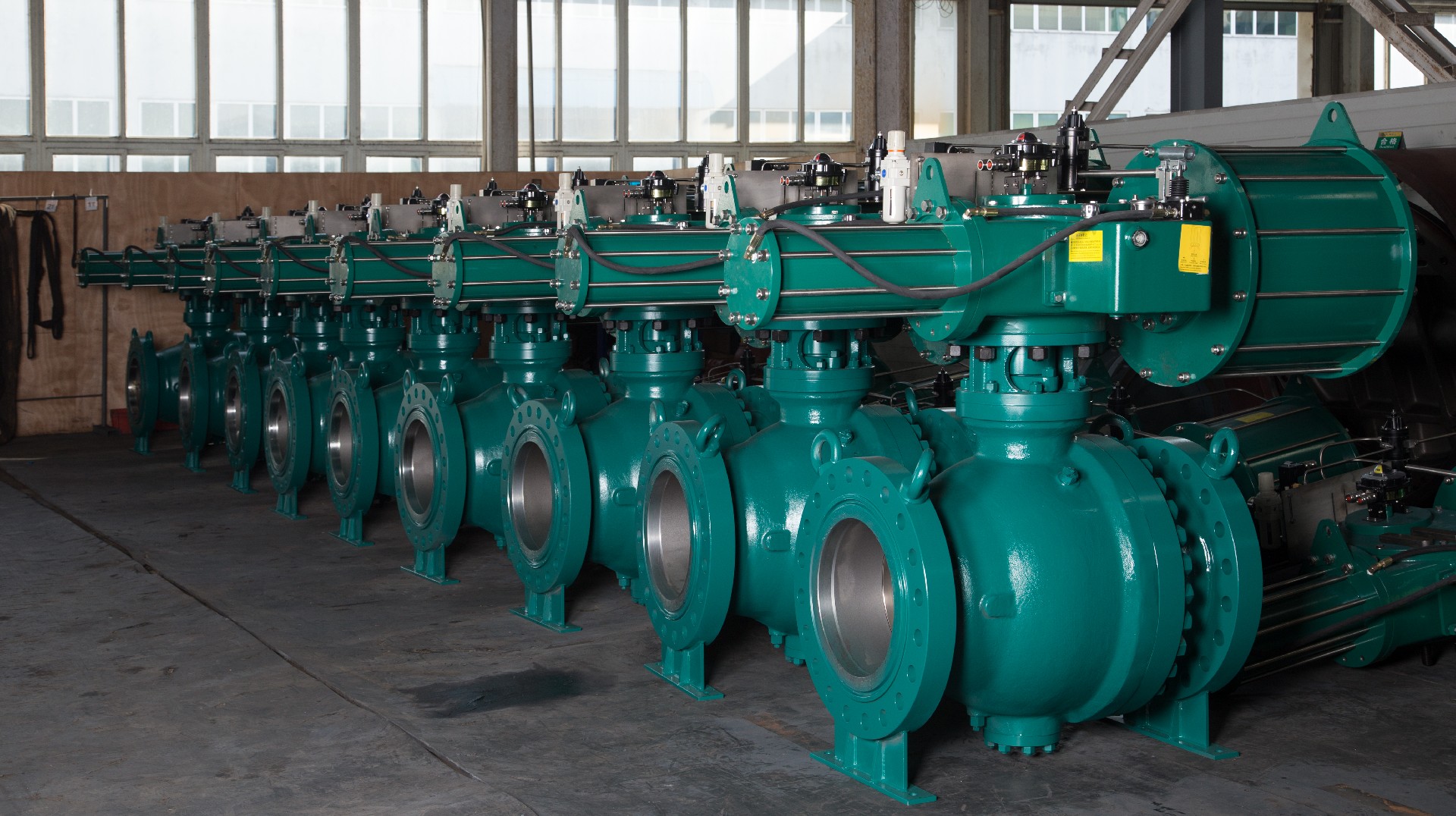
High reliability of sealing and long-term operation guarantee. Sewage treatment plants usually require continuous operation for 365 days. The sealing reliability of valves is of vital importance. Whether it is the soft seal (such as rubber) used in the clear water pipeline or the metal hard seal used in harsh conditions, it is ensured through precise manufacturing processes and innovative designs (such as disc-shaped spring self-compensation, double sealing). Rigorous factory tests ensure that it can still achieve the low leakage rate specified by ANSI or ISO standards after thousands of opening and closing operations, enabling long-term maintenance-free or online maintenance operation.
Adapt to precise control of automation and intelligence. Modern wastewater treatment plants highly rely on automated control. Valves are closely integrated with electric, pneumatic or hydraulic actuators, and can incorporate functional modules such as valve position feedback, torque monitoring, and flow regulation. They can precisely execute instructions from the central control room (SCADA system), achieving closed-loop control of process parameters, fault early warning, and energy efficiency optimization. They are the key terminals for building "smart water management" stations and improving the level of refined operation management.
Economic and environmental benefits of the entire life cycle cost. Although the initial investment is a consideration factor, the long service life, low failure rate, and easy maintenance characteristics of the valves result in a more favorable total life cycle cost. Their reliable operation is directly related to the stability of the treatment effect, the reduction of energy consumption and material consumption, and the avoidance of unplanned downtime. At the same time, the reliable valve seal effectively prevents the accidental leakage of sewage, sludge, and harmful chemicals, which is itself an important environmental protection measure.
In conclusion, in the environmental protection project of wastewater treatment, which is beneficial to both the present and future generations, valves have evolved from auxiliary equipment to a key technical equipment that supports the core process, determines operational efficiency, and affects environmental benefits. Selecting valve products and solutions with targeted design, excellent material performance, high reliability, and intelligent control capabilities is a solid and wise technological investment for wastewater treatment enterprises to ensure stable and compliant operation, reduce operating costs, achieve energy conservation and carbon reduction goals, and ultimately fulfill their social and environmental responsibilities.

Follow us
WeChat Official Account


Copyright © 2026 Shanghai Kigon Valve Co., Ltd. Statement
Technical Support:Pro Insurance Network