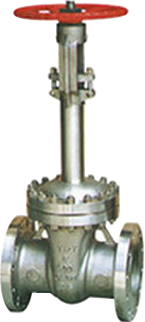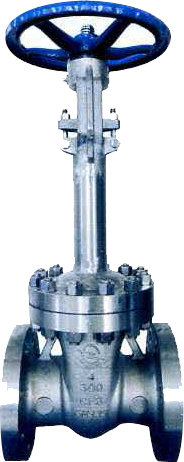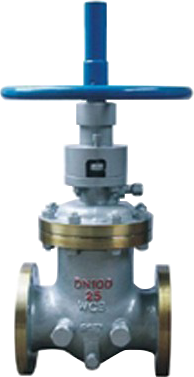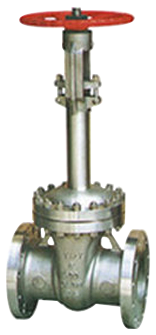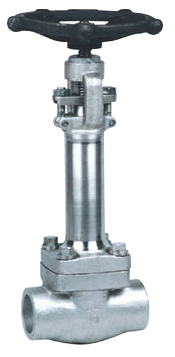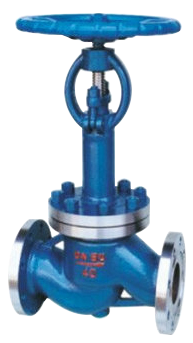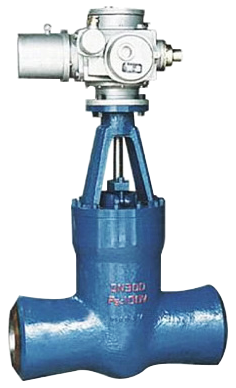

Applicable temperature range: -45 to -197
Applicable media: Liquid chlorine, liquid ammonia
The operating temperature range for flexible graphite packing is: 200 - 870℃.
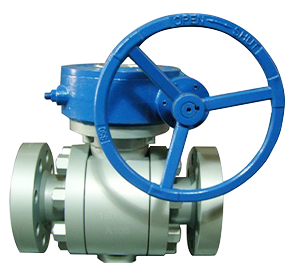
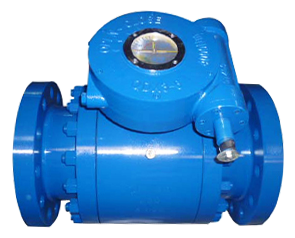
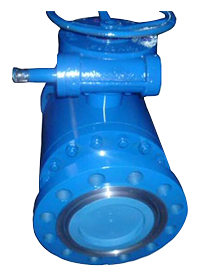
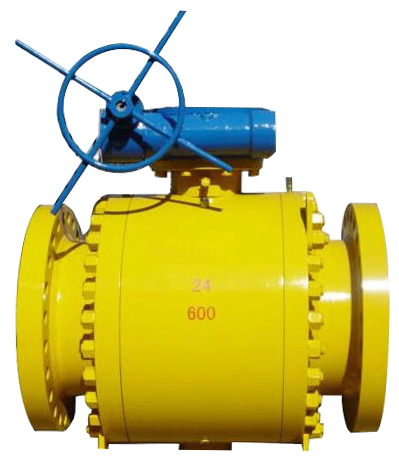
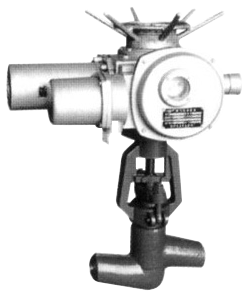
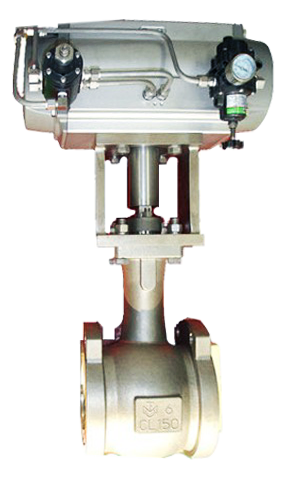
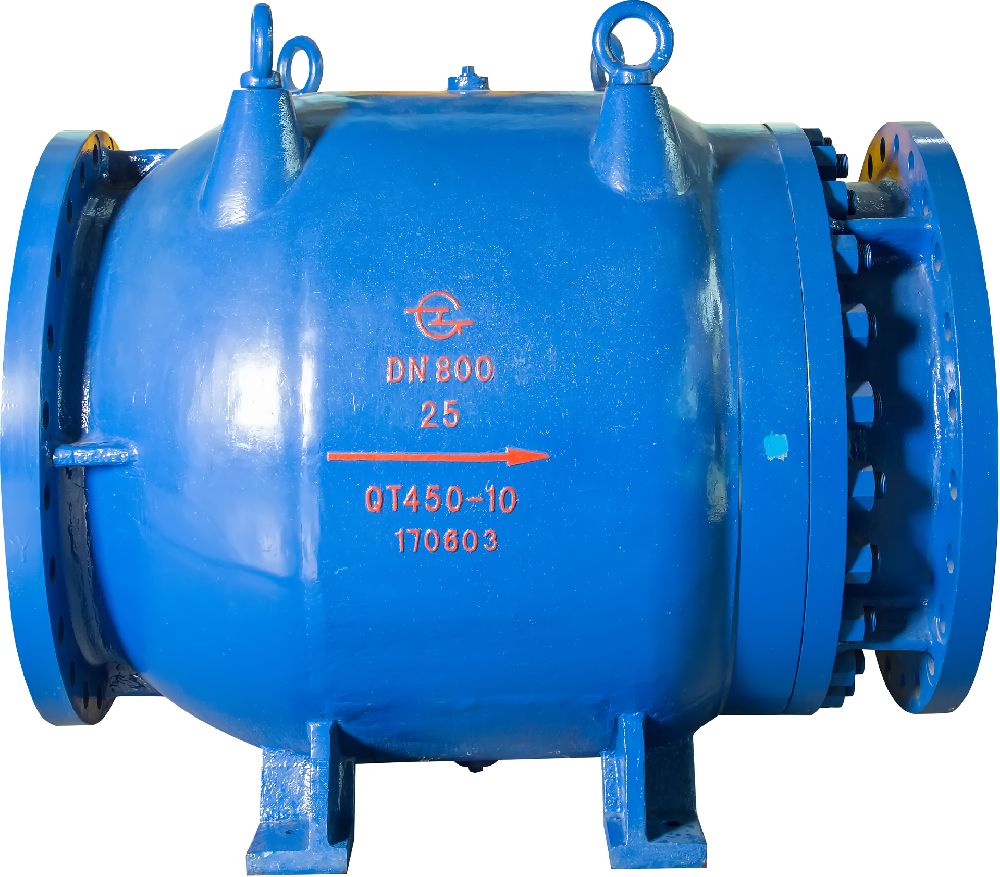
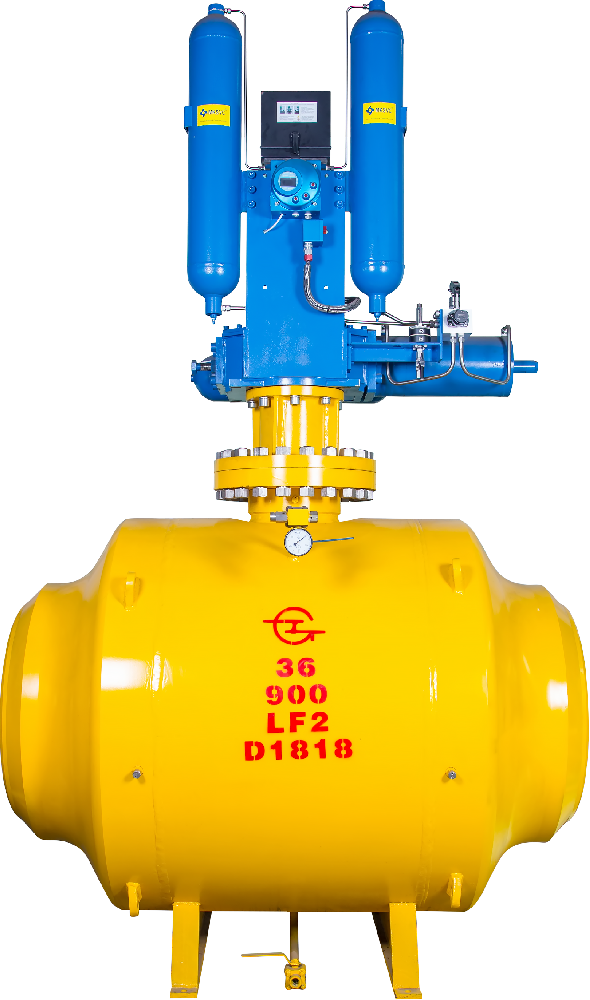
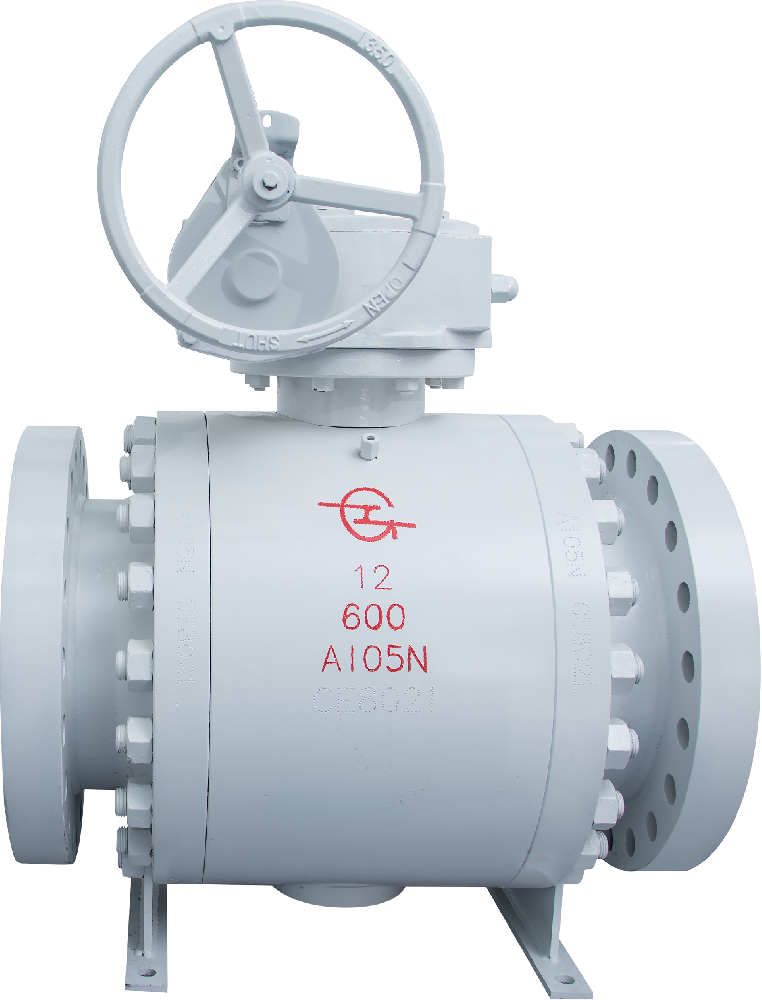
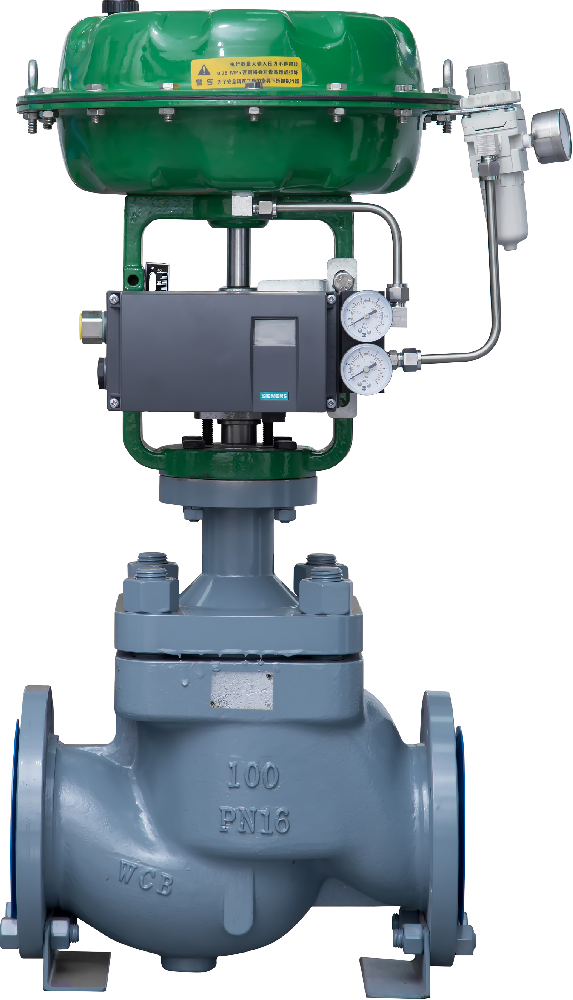
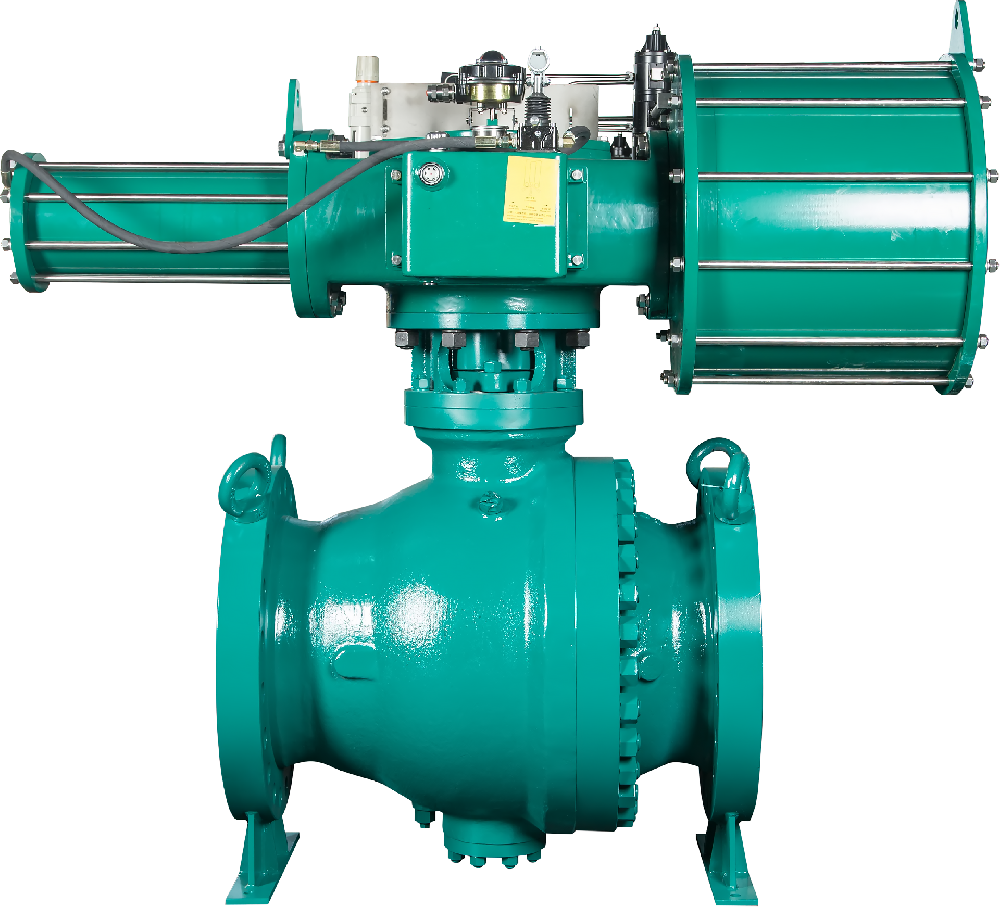
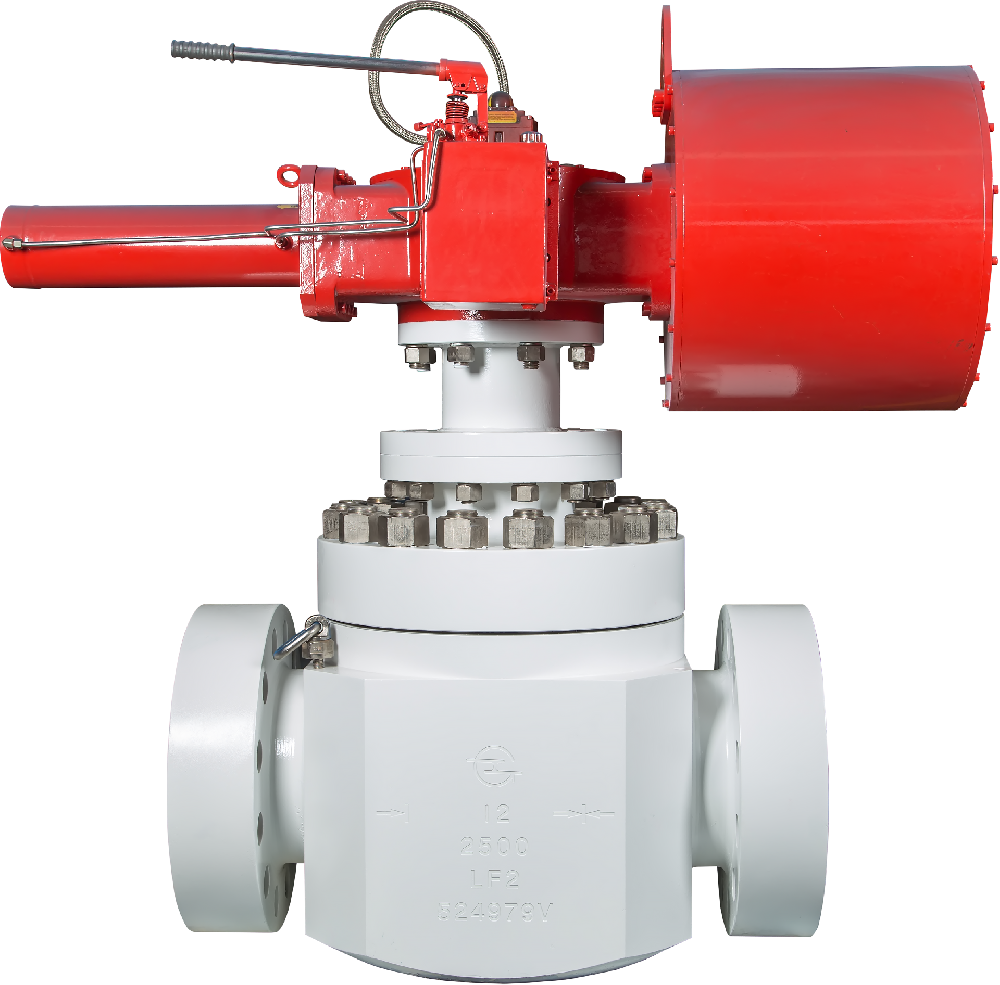
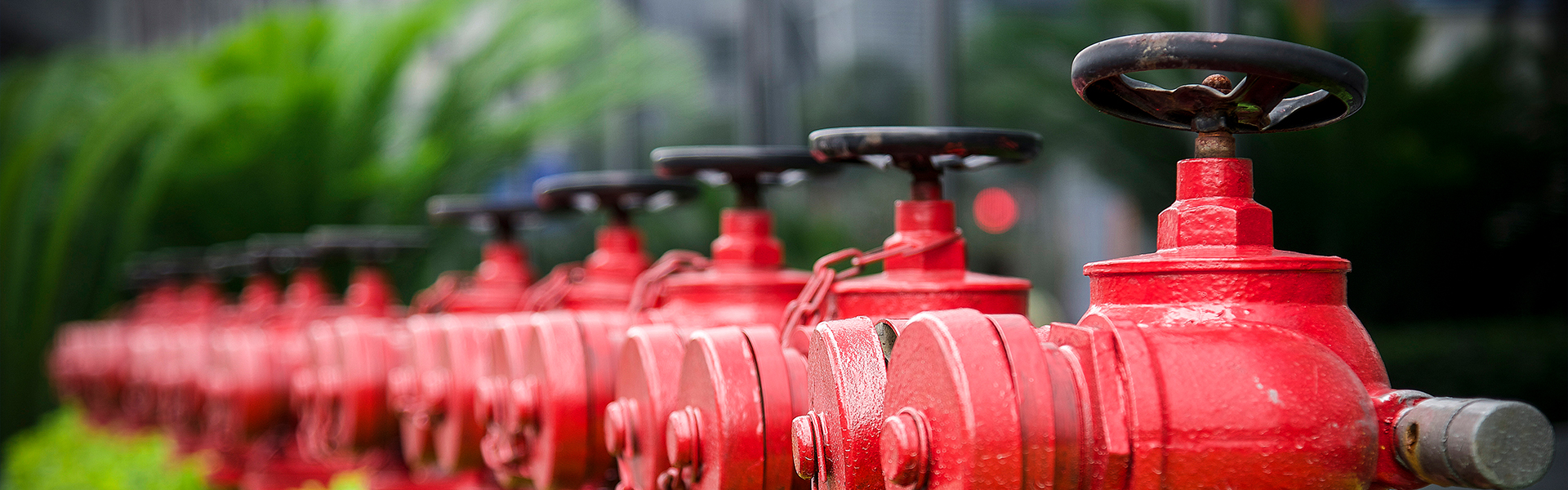
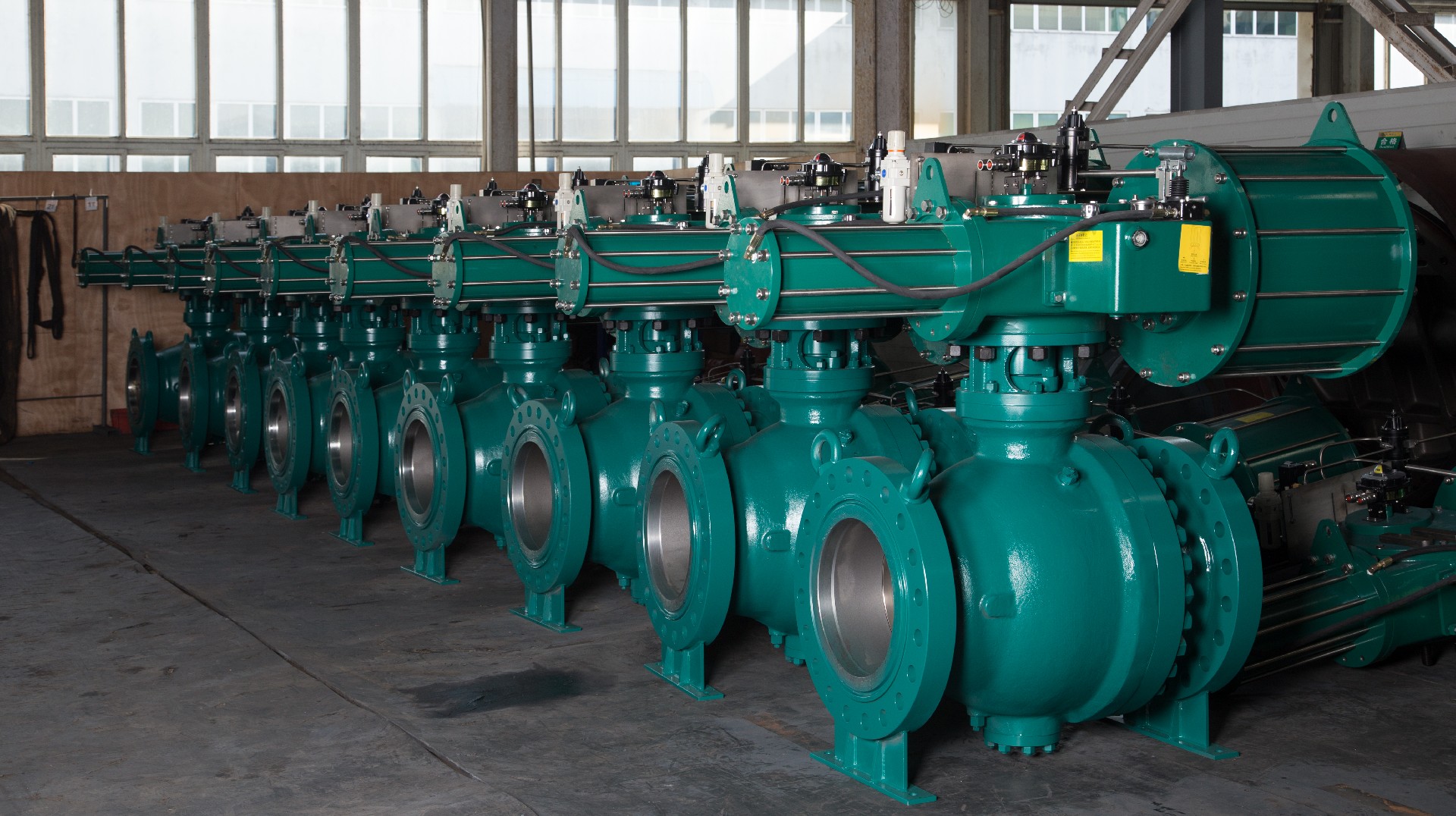
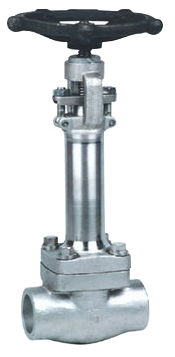
The low-temperature stop valve is a high-performance shut-off valve specially designed for low-temperature and ultra-low temperature working conditions. Its working temperature range can be as low as -45℃ to -197℃. It is widely used in storage, transportation and processing systems of deep-cold media such as liquefied natural gas (LNG), liquid nitrogen, liquid oxygen, liquid argon, liquid ammonia, and liquid chlorine. The sealing element of this valve is a plug-shaped valve disc. The sealing surfaces are usually machined into flat or conical shapes. Under the action of the driving device, the valve disc moves vertically and linearly along the center line of the valve seat channel, thereby achieving the opening and closing of the valve. According to the different movement forms of the valve stem, it can be divided into two types: the lifting stem type (where the valve stem rises while the handwheel does not) and the lifting-rotating stem type (where both the handwheel and the valve stem rotate and rise simultaneously). The function of this valve is clearly defined: it is only used for fully opening or fully closing the pipeline, and must not be used as a throttling or flow regulation device to avoid the sealing surface being eroded and damaged by high-speed media.
Compared with normal temperature valves, the design of low-temperature stop valves follows a series of special and stringent principles. Firstly, all materials must maintain sufficient toughness, strength and organizational stability at extremely low temperatures to prevent brittle fracture under low temperatures. Secondly, the valve structure design must minimize the heat transfer from the environment to the low-temperature medium (heat loss), avoiding abnormal vaporization and pressure rise of the internal medium due to continuous external heat inflow. Additionally, it is necessary to solve a series of problems such as lubrication failure at low temperatures, changes in sealing material performance, and anti-freezing of the operating mechanism. Therefore, the valves demonstrate a high degree of professionalism in material science, structural design and manufacturing processes. For example, they widely adopt long-neck valve covers, carefully select austenitic stainless steel and other low-temperature materials, and use special sealing and surface treatment technologies to ensure their long-term, safe and reliable operation in extreme environments.
1. Adhering to strict dedicated low-temperature design principles to ensure inherent safety
The design of the valve goes beyond the conventional valve standards and is specifically tailored to the physical characteristics of low-temperature systems. One of its core design goals is to avoid becoming a significant heat source for the system. To achieve this, structures such as long-neck valve covers are often employed, which increase the heat dissipation path and minimize the introduction of ambient heat, preventing abnormal evaporation of the medium and potential dangerous overpressure. At the same time, all components in direct contact with the low-temperature medium must consider explosion-proof and fire-resistant structures, and special structural measures (such as using self-lubricating materials or special clearance) are taken for non-lubricated moving parts to prevent the friction parts from scratching in a dry friction state, ensuring the intrinsic safety and operational reliability of the valve in a cryogenic environment.
2. A scientifically rigorous low-temperature material system ensures the low-temperature mechanical properties.
Material selection is the core of low-temperature valves. The main components such as the valve body, valve cover, and valve disc are selected scientifically based on the lowest operating temperature: when the temperature is above -100℃, special-treated low-temperature carbon steel or low-alloy steel is often used; when the temperature is below -100℃, it is necessary to use austenitic stainless steel (such as 304, 316L), nickel steel, or Monel alloy with a face-centered cubic crystal lattice and excellent low-temperature toughness, to prevent low-temperature brittle fracture. The valve stem and fasteners also need to be adapted to low temperatures. High-strength austenitic stainless steel is commonly used, and its surface is treated with hard chrome plating, nitriding, or nickel-phosphorus plating for hardening, to increase hardness, prevent scratching with packing materials, and prevent thread seizing. The nuts are mostly made of molybdenum steel or nickel steel, and a layer of molybdenum disulfide is applied to ensure smooth disassembly and assembly at low temperatures.
3. The unique "elongated neck" valve cover structure protects the critical seals and operating components.
This is the most typical external feature of the low-temperature stop valve. The valve cover adopts a slender neck tube structure, with the aim of elevating components such as the packing chamber, valve stem nut, and operating handwheel to a position far away from the low-temperature fluid, enabling them to operate under conditions close to the ambient temperature. This design effectively prevents the packing from failing due to excessive low temperature, avoids the freezing and jamming of the operating mechanism, ensures the long-term effectiveness of the packing seal, and also enables the operators to safely and easily open and close the valve in a normal temperature environment.
4. Special sealing packing system suitable for low temperatures
To address the issue that low temperatures cause ordinary sealing materials to shrink, harden and fail, the packing system of the low-temperature stop valve has been specially designed. The traditional asbestos packing has the risk of leakage due to penetration. Rubber and ordinary fluoroplastics will shrink or become brittle at low temperatures. Therefore, usually, asbestos packing impregnated with stable polytetrafluoroethylene (PTFE) or flexible graphite packing is selected. In particular, flexible graphite material, due to its excellent non-permeability to both gases and liquids, good elastic recovery rate in the thickness direction, and the ability to maintain self-lubrication properties at low temperatures, has become a high-quality sealing material widely used in modern low-temperature valves.
5. Precise processing and specialized fireproof and anti-static design
To ensure the absolute reliability of the sealing under extremely low temperatures, the sealing surfaces of the valve disc and valve seat need to be processed and matched with extremely high precision. For valves that transport low-temperature media that are flammable and explosive (such as LNG), it is also necessary to integrate fireproof and anti-static structures in accordance with relevant standards. The fireproof design ensures that the valve can maintain a certain period of sealing or operational function in the event of a fire; the anti-static design prevents the generation of static sparks due to friction by connecting the valve stem and the valve body, eliminating potential safety hazards.
6. Diverse driving and connection methods, suitable for complex system requirements
To meet the requirements of different levels of automation and installation scenarios, the low-temperature stop valve can be equipped with various drive devices such as manual (including lifting rod and lifting rotating rod type), gear transmission, electric, pneumatic or hydraulic. The connection end can be designed in various forms such as flange, butt welding, socket welding or thread, providing high flexibility for system integration. Although the flexible graphite packing itself has a very high applicable temperature limit (up to 870℃), this only indicates its adaptability in non-ultralow-temperature areas (such as the packing box at the top of the long-neck valve cover), and the overall design and material selection of the valve still aim to ensure the performance of the ultra-low-temperature core area as the primary goal.

Follow us
WeChat Official Account


Copyright © 2026 Shanghai Kigon Valve Co., Ltd. Statement
Technical Support:Pro Insurance Network