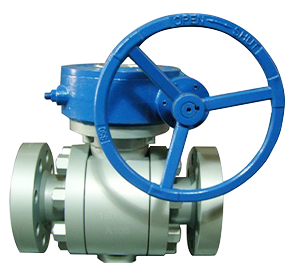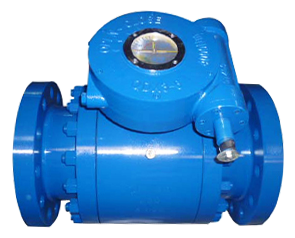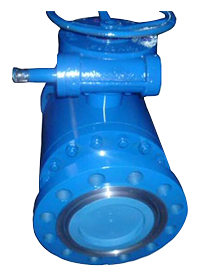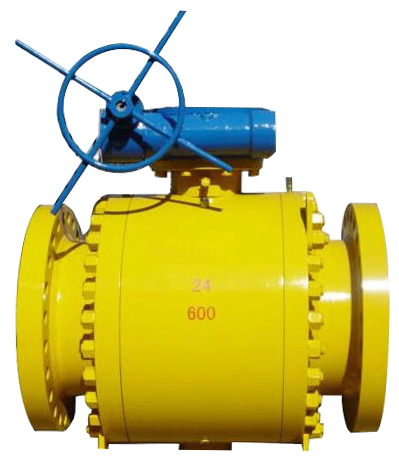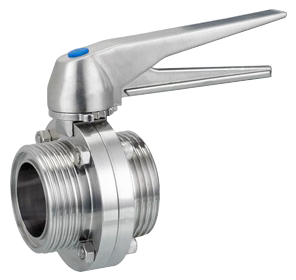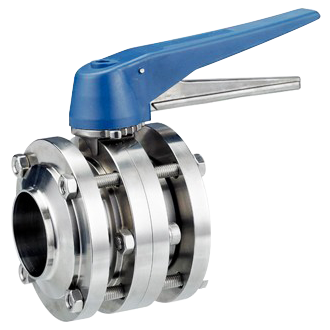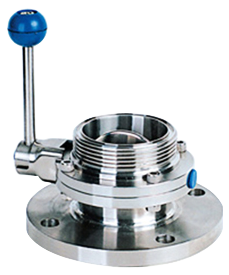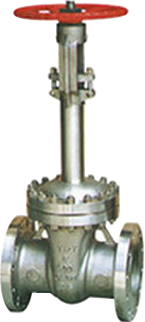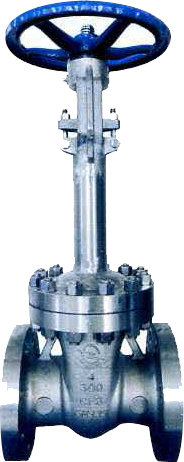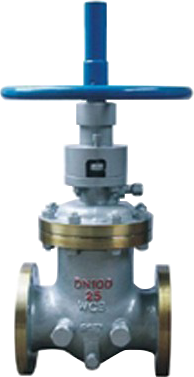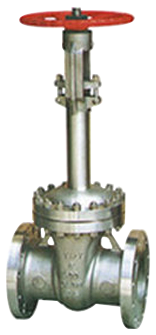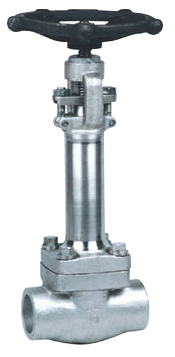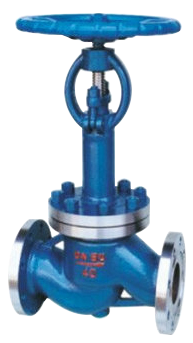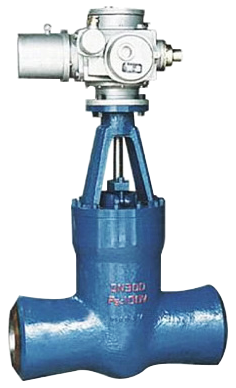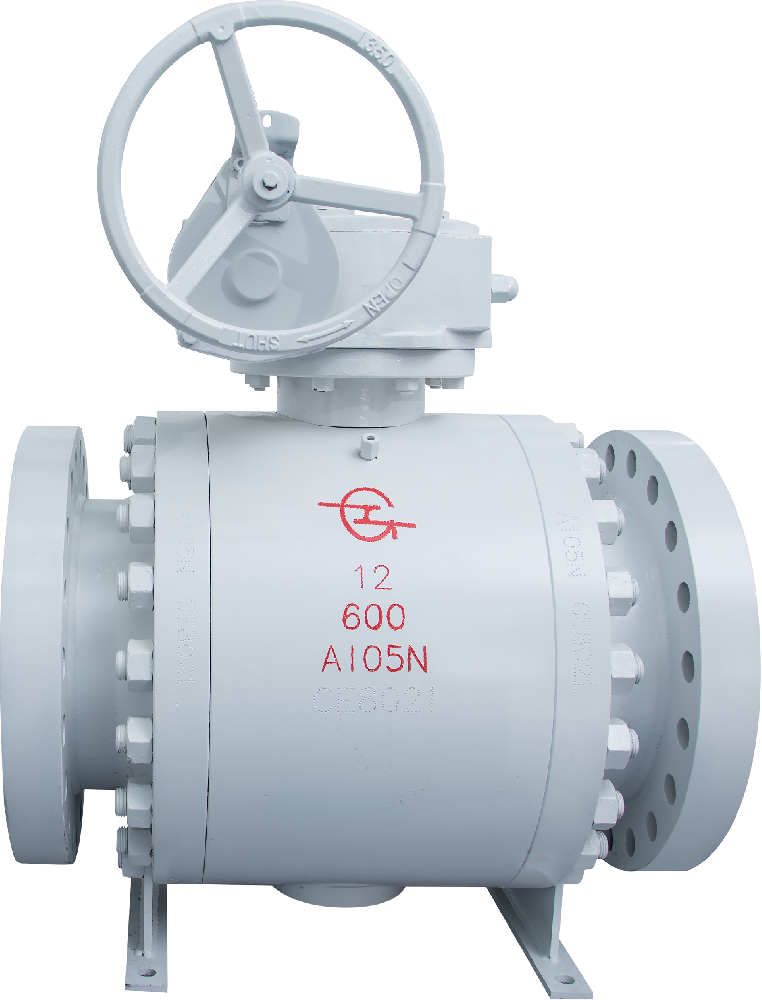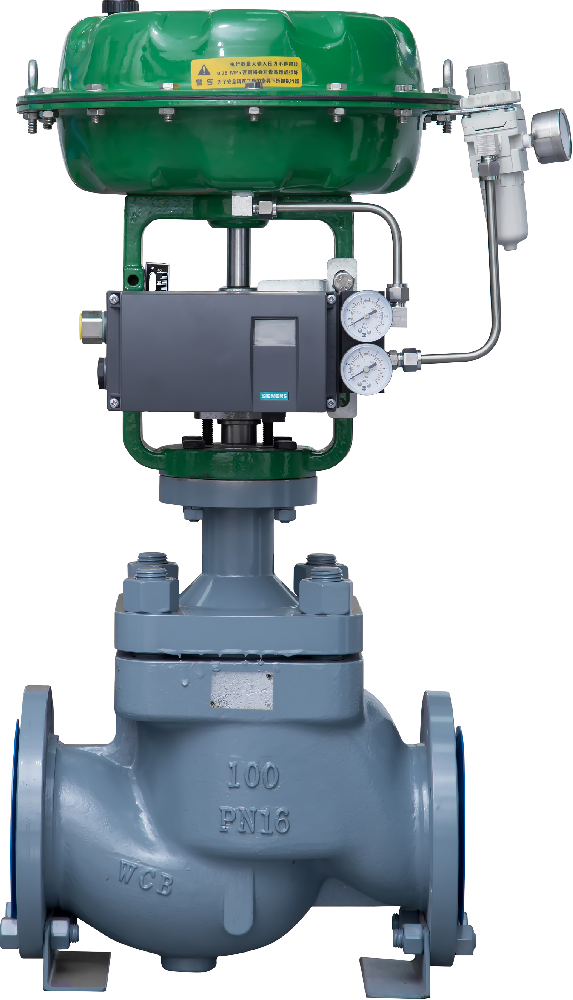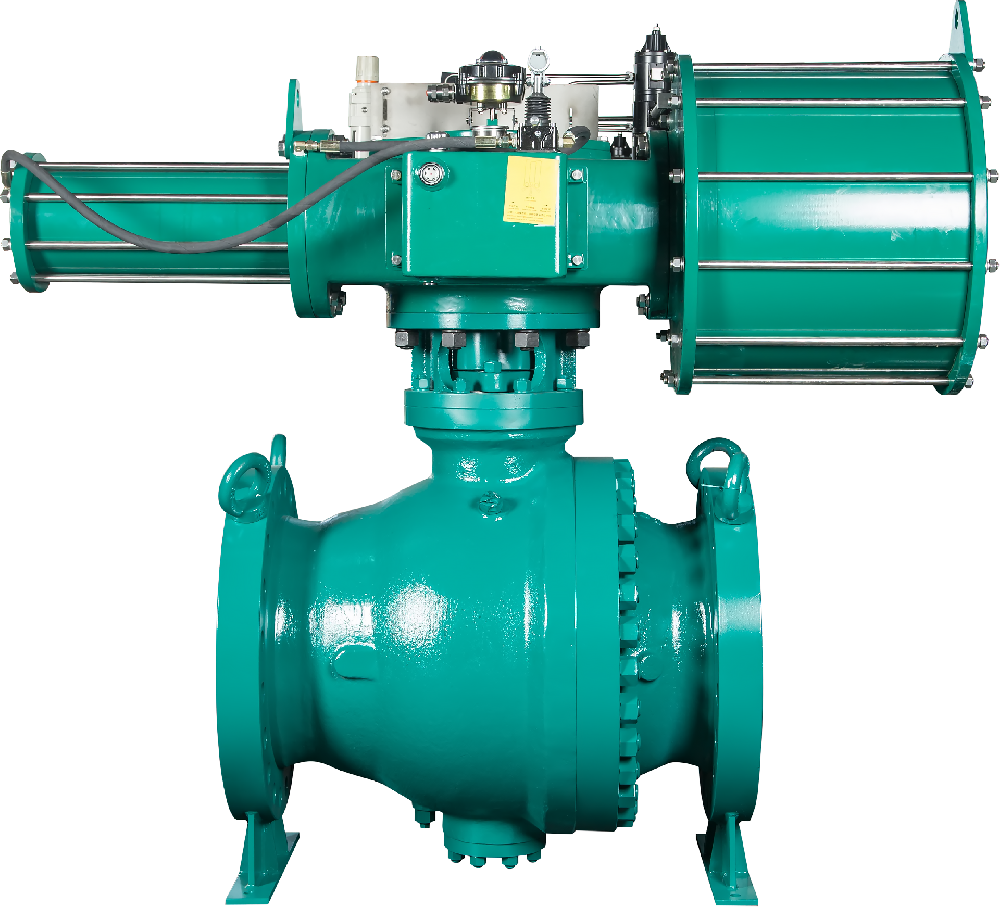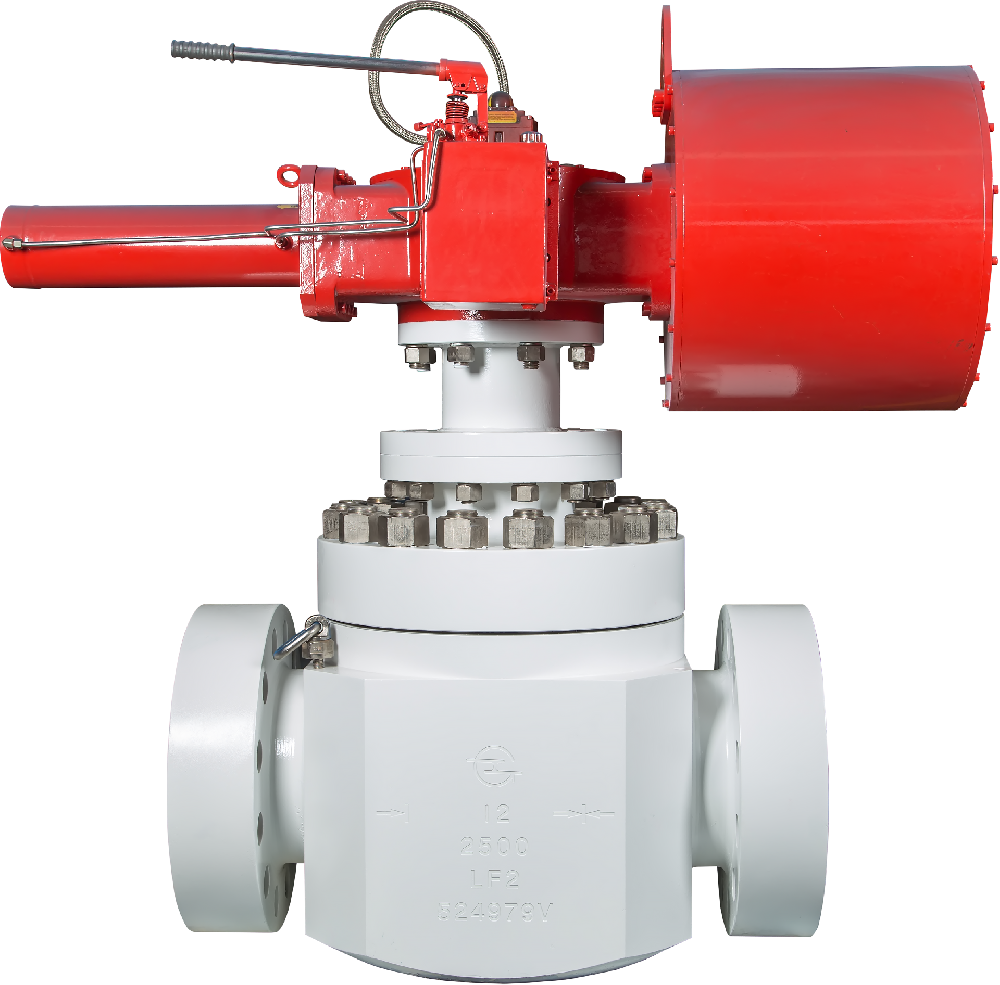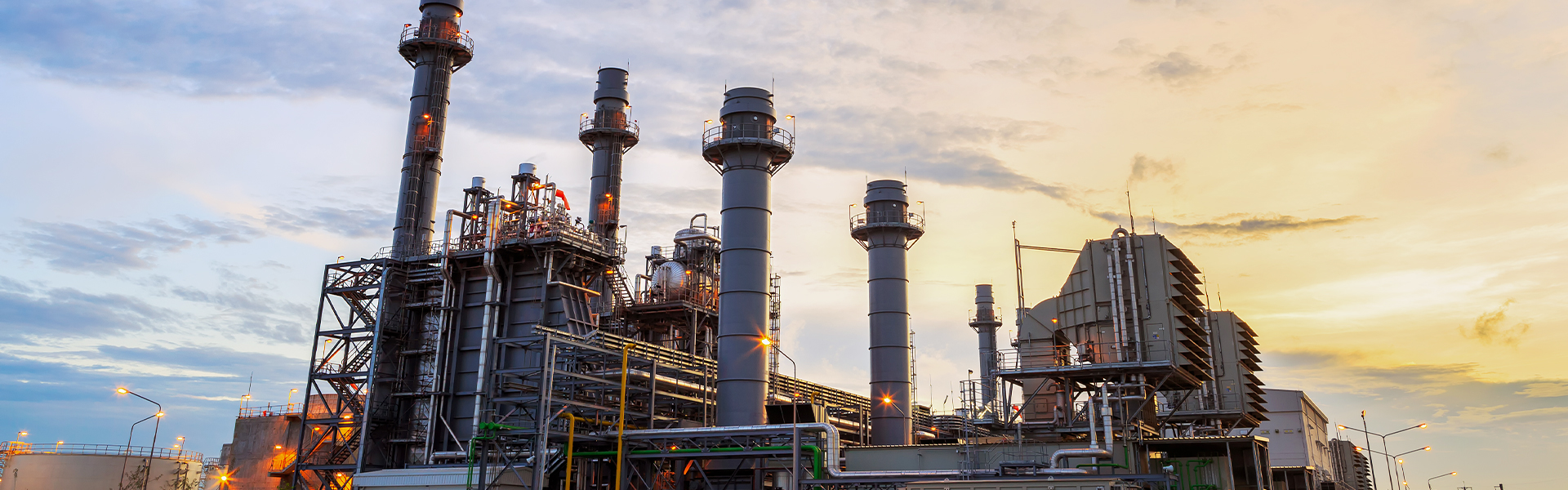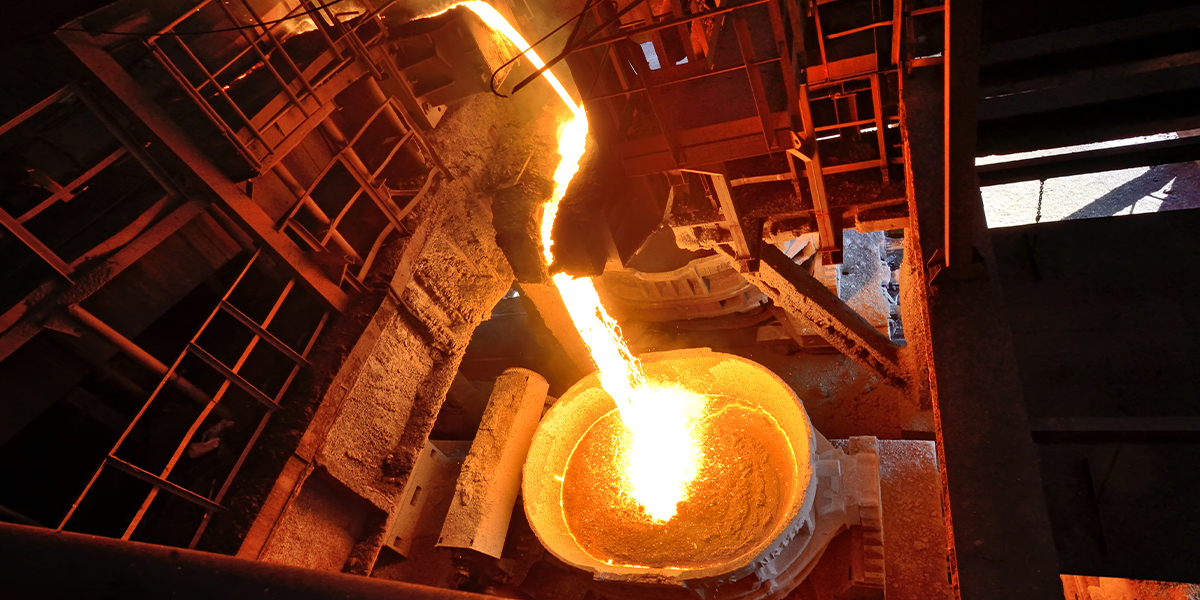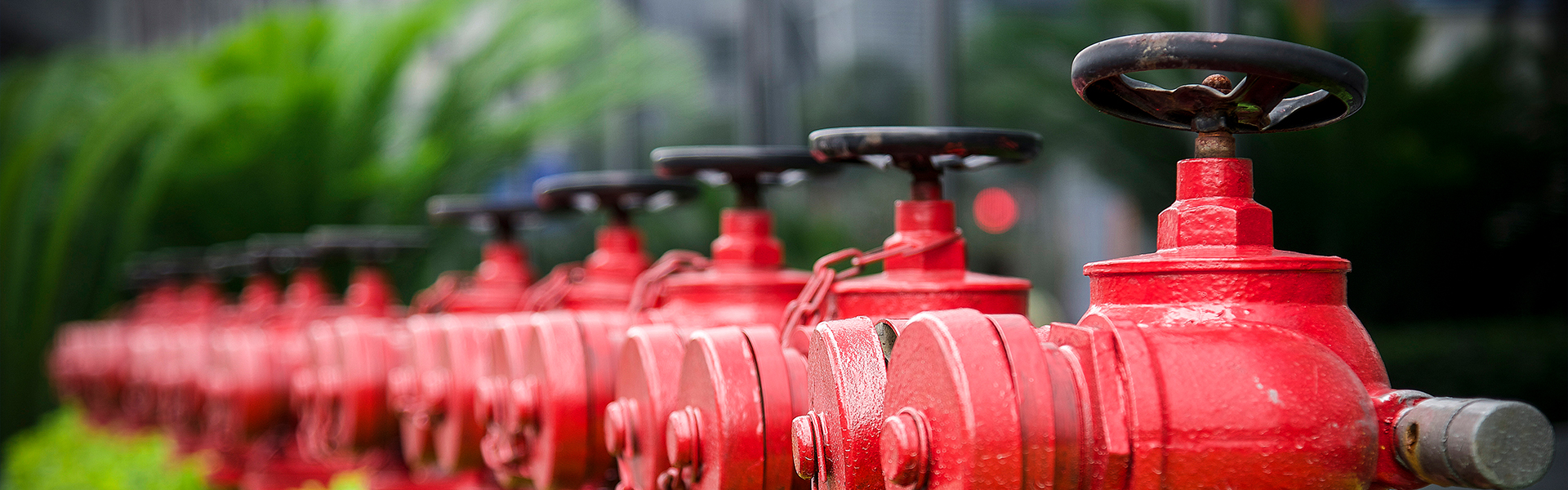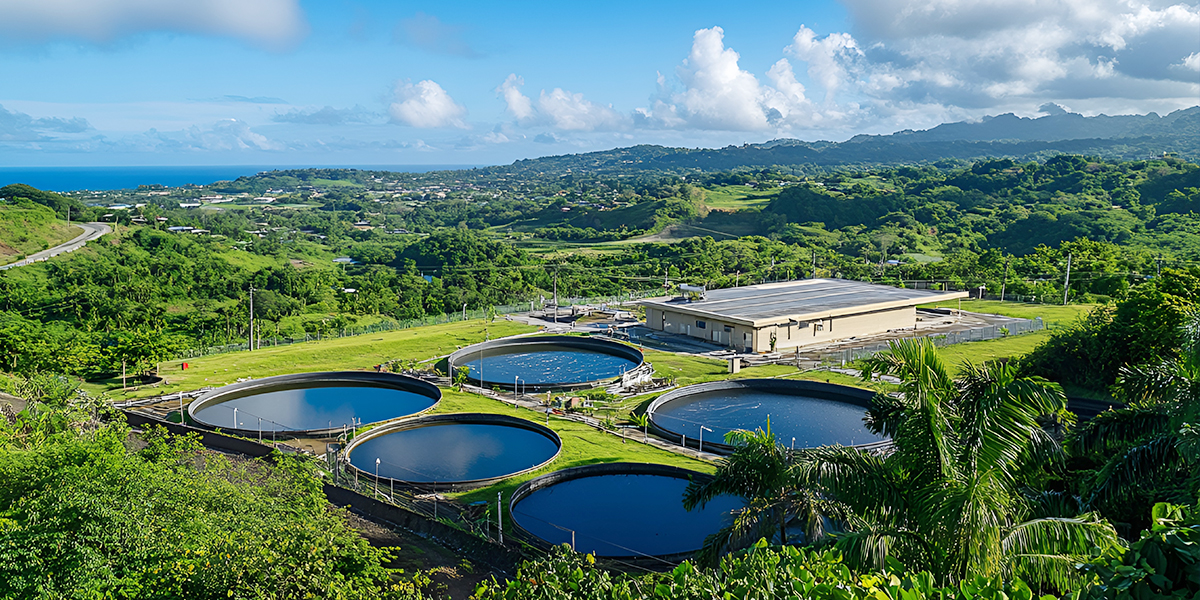

In the metallurgical and mining industry, which is a complex and demanding basic industrial sector, valves serve as the "throat" and "joint" of the fluid control system, playing a crucial role. Their functions extend throughout the entire industrial chain from ore mining, beneficiation, smelting to final rolling into finished products, and they are one of the core guarantees for achieving safe, efficient, environmentally friendly, and continuous production.
The core functions are mainly manifested in the following aspects:
Firstly, precise control and secure isolation of key processes are essential. In the mining industry, valves are widely used in various stages such as ore crushing, grinding, flotation, concentration, and tailings transportation, to precisely regulate the flow and pressure of mineral slurries, reagents, high-pressure water, and return water, ensuring the stability of beneficiation process indicators. In the metallurgical process, from sintering, coking to blast furnace ironmaking, converter/electric furnace steelmaking, to continuous casting, hot rolling, etc., valves control various media including oxygen, nitrogen, argon, gas, cooling water, hydraulic oil, and high-temperature molten metals (through specially designed valves). They must reliably achieve the opening and closing, redirection, and regulation of pipelines, guarantee the smooth progress of the process, and provide absolute safety isolation during equipment maintenance to prevent the leakage of hazardous media.
Secondly, it is about ensuring equipment safety and maintaining production continuity. The metallurgical and mining industry extensively uses heavy equipment, and the normal operation of its auxiliary systems (such as lubrication systems, hydraulic systems, and cooling systems) directly affects the lifespan and safety of the main equipment. Valves ensure that the equipment is in the optimal working condition by distributing lubricating oil, regulating cooling water, and controlling hydraulic circuits. For example, if the valves in the cooling water control system of the blast furnace's cooling wall and hot air valve fail, it may lead to a catastrophic accident. Therefore, the reliability of the valves themselves is a key factor in ensuring the continuous, stable, and long-term operation of the entire plant (reducing unplanned downtime).
Thirdly, it helps to achieve efficient energy utilization and environmental protection. Modern metallurgical mining emphasizes energy conservation and emission reduction as well as green production. Valves play a core control role in systems such as waste heat recovery systems (such as flue gas heat boilers in sintering and steel rolling), gas recovery and purification systems, dust and desulfurization systems, and industrial water recycling treatment systems. By optimizing valve selection and control strategies, it is possible to maximize the recovery of secondary energy, reduce gas emissions, ensure the efficient operation of environmental protection facilities, achieve pollutant compliance discharge and the recycling of water resources, and directly support the sustainable development goals of enterprises.
Its application advantages are based on the adaptive design tailored to the specific challenges of the industry:
Outstanding wear resistance and erosion resistance. When facing strong abrasive media such as slurry, coal dust, and dust, the valve usually adopts thickened wear-resistant linings (such as ceramics, wear-resistant alloys), hard alloy-stamped sealing surfaces, and optimized flow channel designs. This significantly extends the service life of the valve under harsh transportation conditions, reduces the frequency of replacement and maintenance costs.
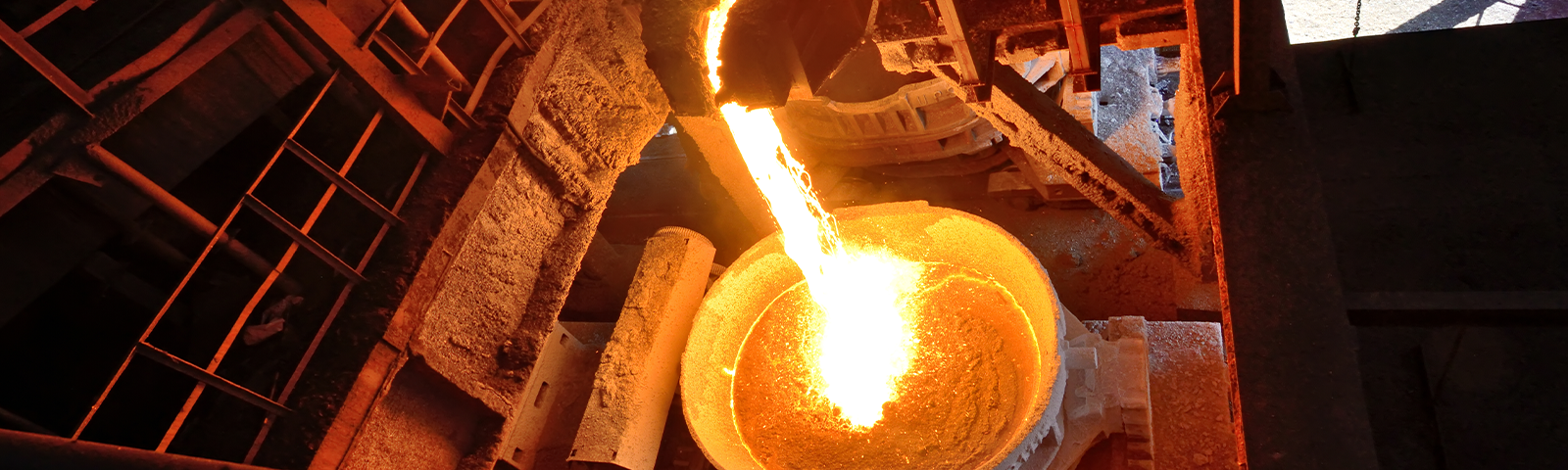
Outstanding high-temperature resistance, heat cycling resistance and corrosion resistance. In the high-temperature areas of smelting (such as hot air valves, molten metal valves), the valves adopt special cooling structures, high-temperature resistant alloy materials and special sealing forms, which can withstand medium temperatures exceeding 1000℃ and severe thermal shocks. At the same time, for corrosive media such as acid, alkali and salt (such as acid washing lines, wastewater treatment), stainless steel, duplex steel, Hastelloy alloy and other corrosion-resistant materials are selected to ensure the long-term integrity of the valves in corrosive environments.
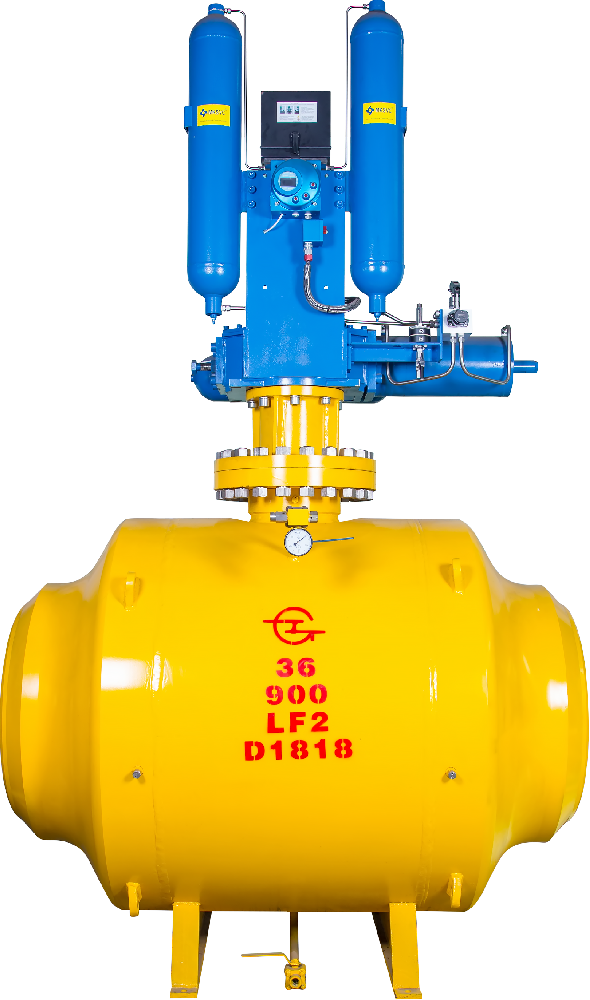
High reliability and sealing guarantee under harsh conditions. Whether it is the oxygen valves under high pressure and high temperature that require special treatment to prevent grease and fire, or the valves used for toxic and harmful gases (such as blast furnace gas and coke oven gas) that demand zero leakage, industry-specific valves ensure reliable sealing even under the most extreme conditions through precise manufacturing processes, multiple sealing designs (such as fireproof and anti-static structures), and strict testing standards (such as API, ANSI, etc.), thus eliminating potential safety hazards.
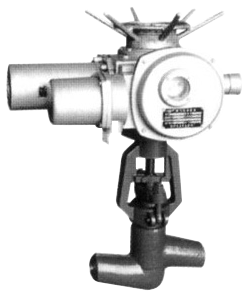
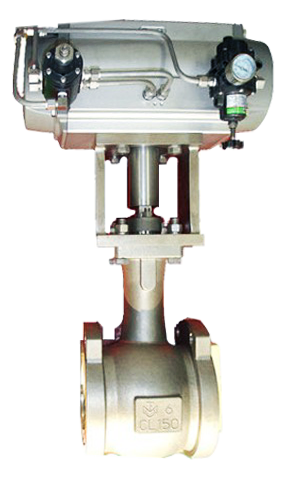
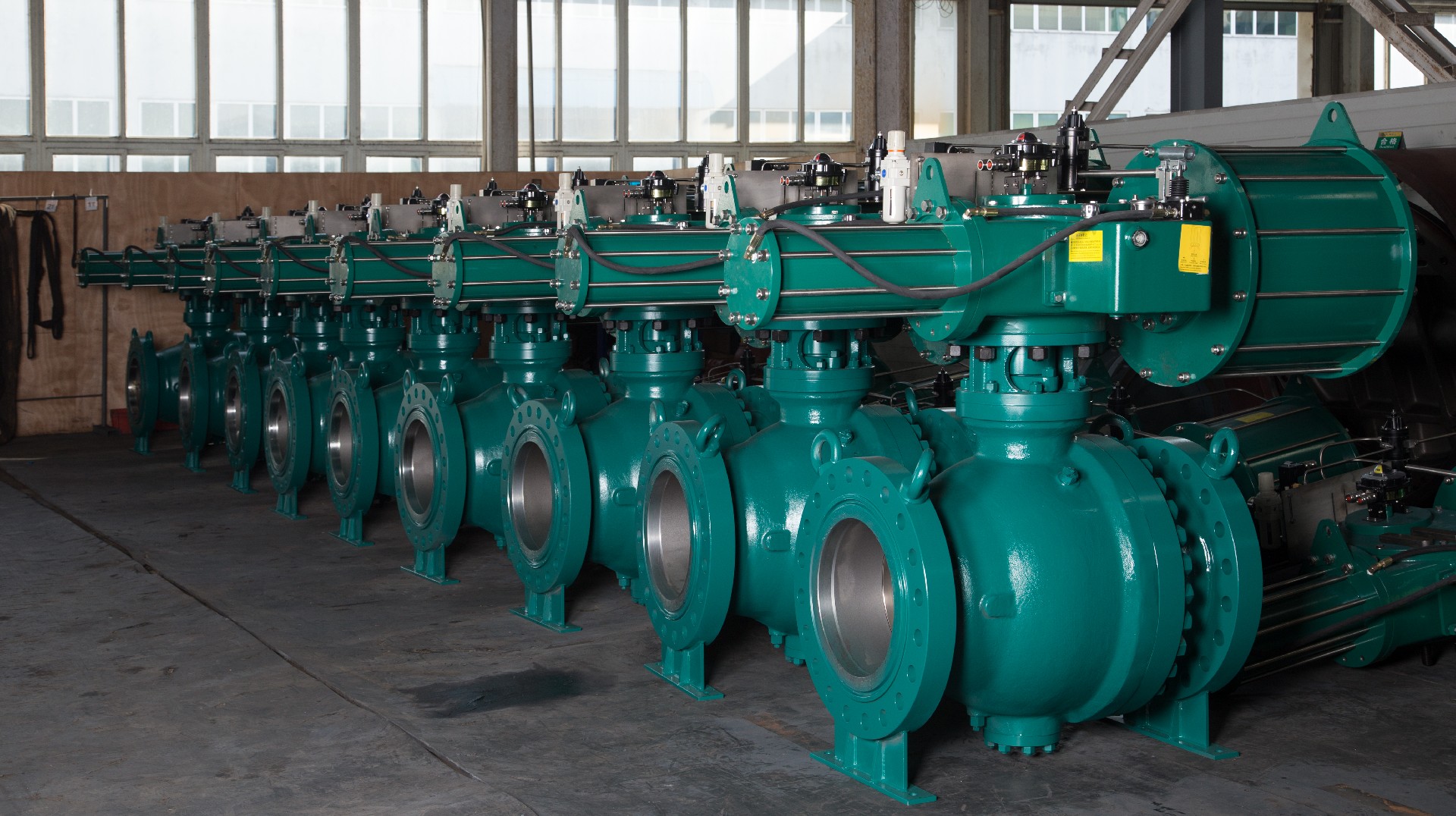
Adapt to the control requirements of automation and intelligence. Modern metallurgical mining enterprises generally adopt high-level automated control systems. Valves are equipped with high-performance pneumatic, electric or hydraulic actuators, which can precisely and quickly respond to control signals, seamlessly integrate with DCS and PLC systems, and achieve remote operation, programmed control and fault diagnosis, significantly enhancing the automation level, control accuracy and operational efficiency of the production process.
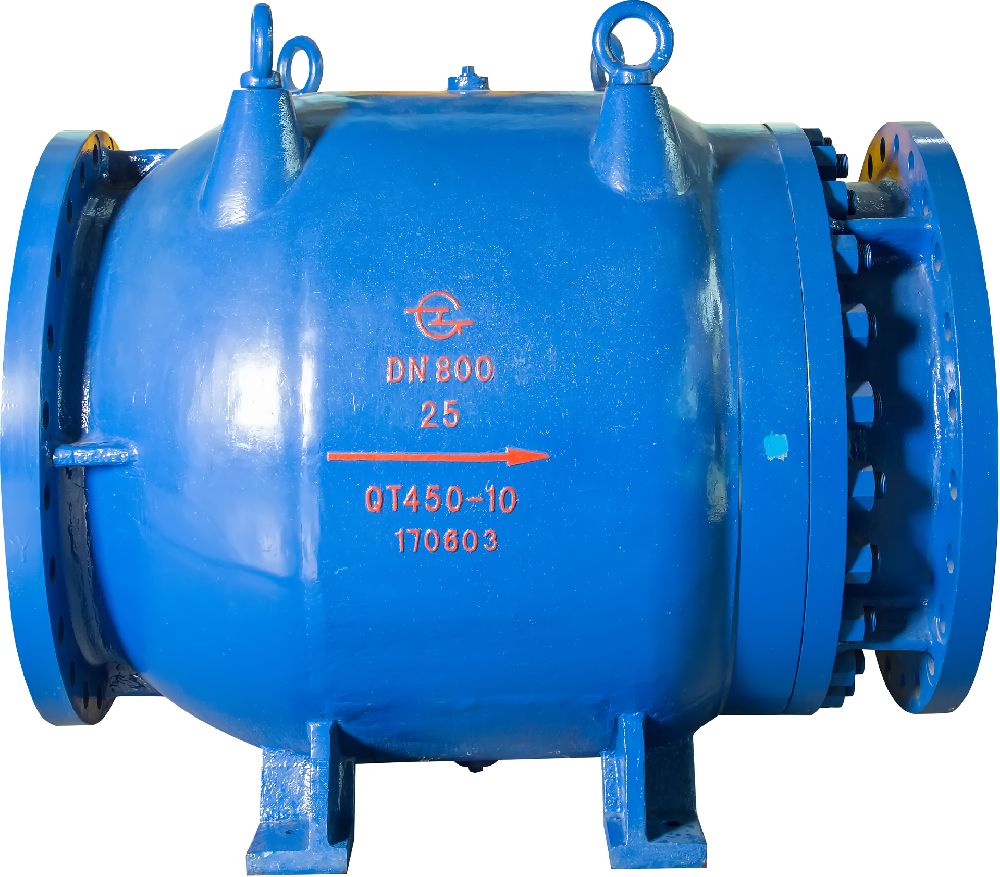
A wide variety of product forms meet the requirements throughout the entire process. From simple stop valves and gate valves to complex regulating valves, reversing valves, and specialized valves (such as oxygen valves, slurry valves, and dust removal valves), the valve product range covers almost all application points from low-pressure water systems to ultra-high-pressure hydraulic systems, from normal temperature fluids to ultra-high temperature gases, providing process designers with comprehensive solution options to ensure that each control point can be matched with the optimal valve type.
In conclusion, in the metallurgy and mining industry, which is a pillar of the national economy, valves are no longer merely simple pipeline accessories. Instead, they have deeply integrated into the bloodstream of the production process as key control components. The performance of these valves directly affects the energy consumption, material consumption, safety, environmental protection, and ultimate economic benefits of the production process. Choosing high-quality valves specifically designed and verified for industry characteristics is a solid foundation for building a stable, efficient, and green modern metallurgical and mining enterprise.

Follow us
WeChat Official Account


Copyright © 2026 Shanghai Kigon Valve Co., Ltd. Statement
Technical Support:Pro Insurance Network