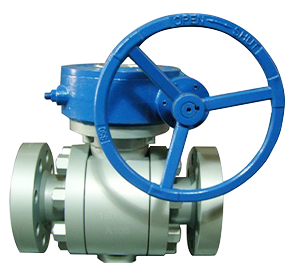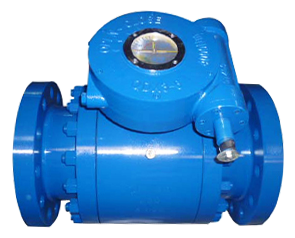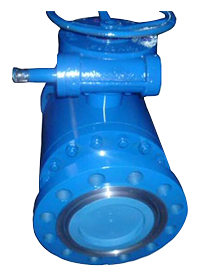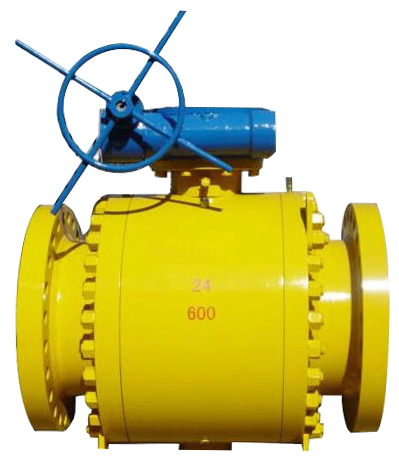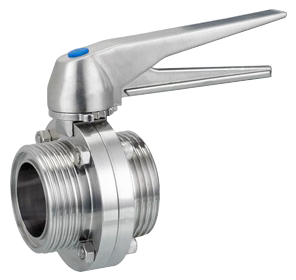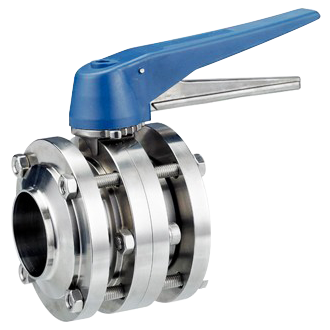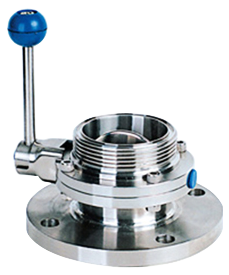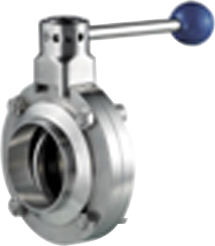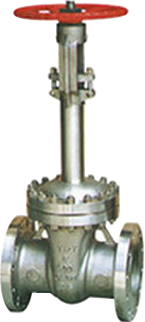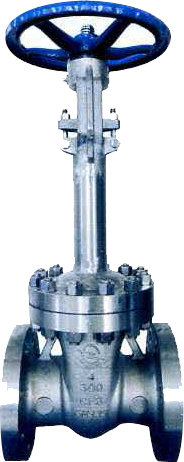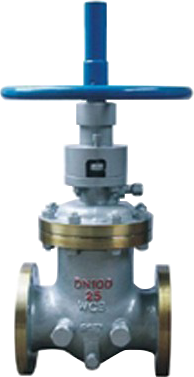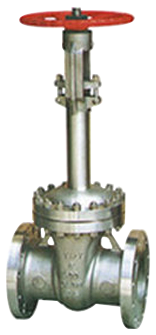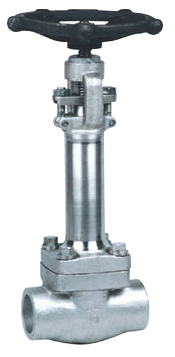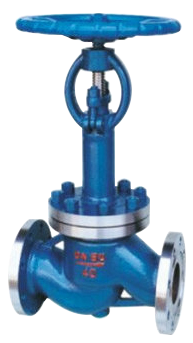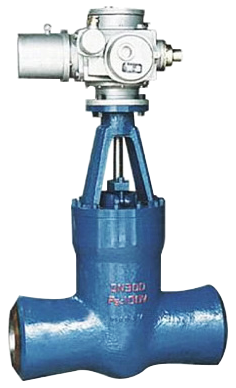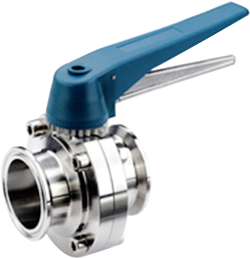

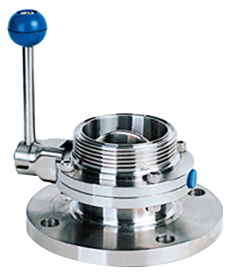
Connection methods: welding, clamps, threads, flanges
Execution standard: DIN SMS RJT 3A ISO IDF
Application: Fluid products in industries such as food processing, pharmaceuticals, and chemicals.
A flange-on and threaded butterfly valve is a special type of connection butterfly valve specifically designed for high-purity fluid pipeline systems. It innovatively uses a standard flange connection at one end and an external or internal threaded interface at the other end. This mixed connection design enables it to flexibly adapt to different specifications or types of pipeline systems, effectively solving installation problems such as pipeline conversion and mismatched equipment interfaces. It is particularly suitable for industrial fields with strict hygiene requirements, such as food processing, pharmaceuticals, chemicals, bioengineering, and beverage and dairy products. This valve strictly follows multiple international hygiene equipment manufacturing standards, including DIN, SMS, ISO, IDF, 3A, and RJT, ensuring that the entire process from design to production complies with GMP regulations for the pharmaceutical industry and hygiene safety requirements for the food industry.
The main body of the valve and all the flow components are precisely manufactured from high-quality stainless steel (such as SUS304 or the more corrosion-resistant SUS316L), and undergo high-standard mechanical or electronic polishing treatment. The inner surface achieves mirror-like smoothness (with extremely low roughness), forming a smooth, seamless, and unobstructed flow channel, fundamentally eliminating the risks of medium residue and microbial growth, and fully supporting online cleaning (CIP) and online sterilization (SIP) processes. The core circular butterfly plate is driven by the valve stem and can be quickly opened and closed by rotating 90 degrees. The sealing system typically uses flexible materials that meet food-grade or pharmaceutical-grade certifications, such as ethylene propylene diene monomer (EPDM), silicone rubber, fluorine rubber, or polytetrafluoroethylene (PTFE), to adapt to different medium temperatures (common ranges from -20°C to +250°C) and chemical compatibility requirements.
This valve has a wide nominal diameter range (from DN15 to DN200 or 1/2 inch to 6 inches), and the working pressure can typically reach PN16 or ANSI 150Lb level, which can meet the pressure requirements of most sanitary processes.
1. Unique hybrid connection design, with flexible and convenient installation.
Its most notable feature is the adoption of a mixed connection method with one end being a flange and the other end being threaded. This design significantly enhances the installation flexibility, enabling the valve to act as a "converter", easily connecting flange pipes with threaded pipes, or adapting to different standard equipment interfaces, simplifying the design and installation of complex piping systems and reducing the need for additional pipe fittings.
2. Outstanding sanitary design and easy cleanliness
The valve is specially designed for a sterile environment. Made of all stainless steel and with a high-precision polishing process, it ensures that the inner wall of the flow channel is smooth as a mirror, with no possible dead corners where media could accumulate. Its structural design is convenient for quick disassembly and reassembly, making internal cleaning, inspection and maintenance extremely easy, which can effectively ensure the purity between product batches and prevent cross-contamination, fully meeting strict hygiene certification standards.
3. The operation is simple and quick, and it also has adjustment functions.
The valve adopts a mid-line design, and the rotation resistance of the butterfly plate is low. When operated by the handle, a full opening or closing can be achieved by rotating only 90 degrees. The operating torque is small, and it is effortless and agile. Many models of the handle have positioning functions, which can fix the butterfly plate at every 15-degree interval or at specific intermediate positions (such as 45 degrees), thereby achieving precise regulation of the fluid flow and meeting the requirements of process control.
4. High circulation capacity with minimal pressure loss
The valve is designed with full bore or nearly full bore. When the butterfly plate is fully opened, the flow channel area is basically the same as the inner diameter of the pipeline, resulting in extremely low resistance to the fluid and a small pressure drop (head loss), which is beneficial for maintaining system flow and reducing transportation energy consumption.
5. Compact structure, high reliability and low maintenance cost
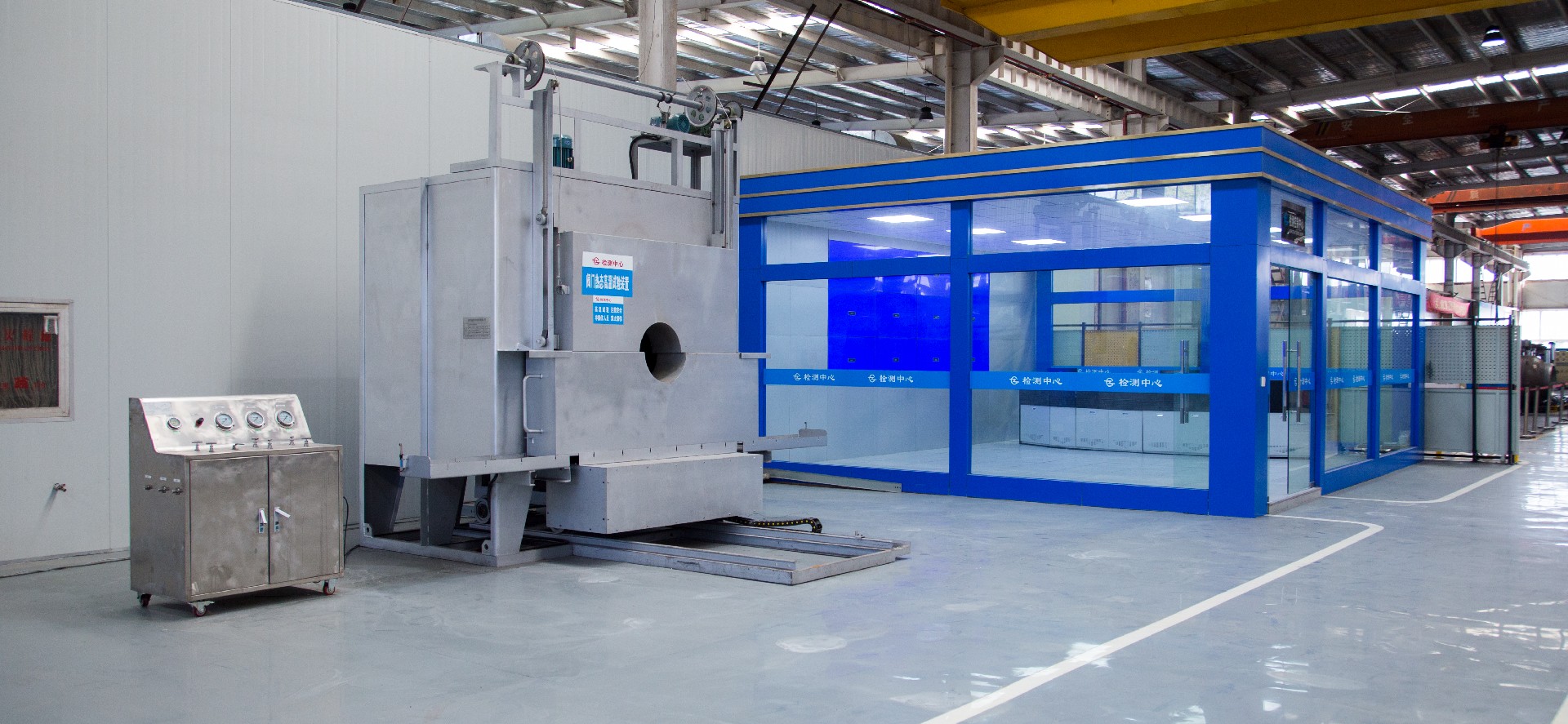
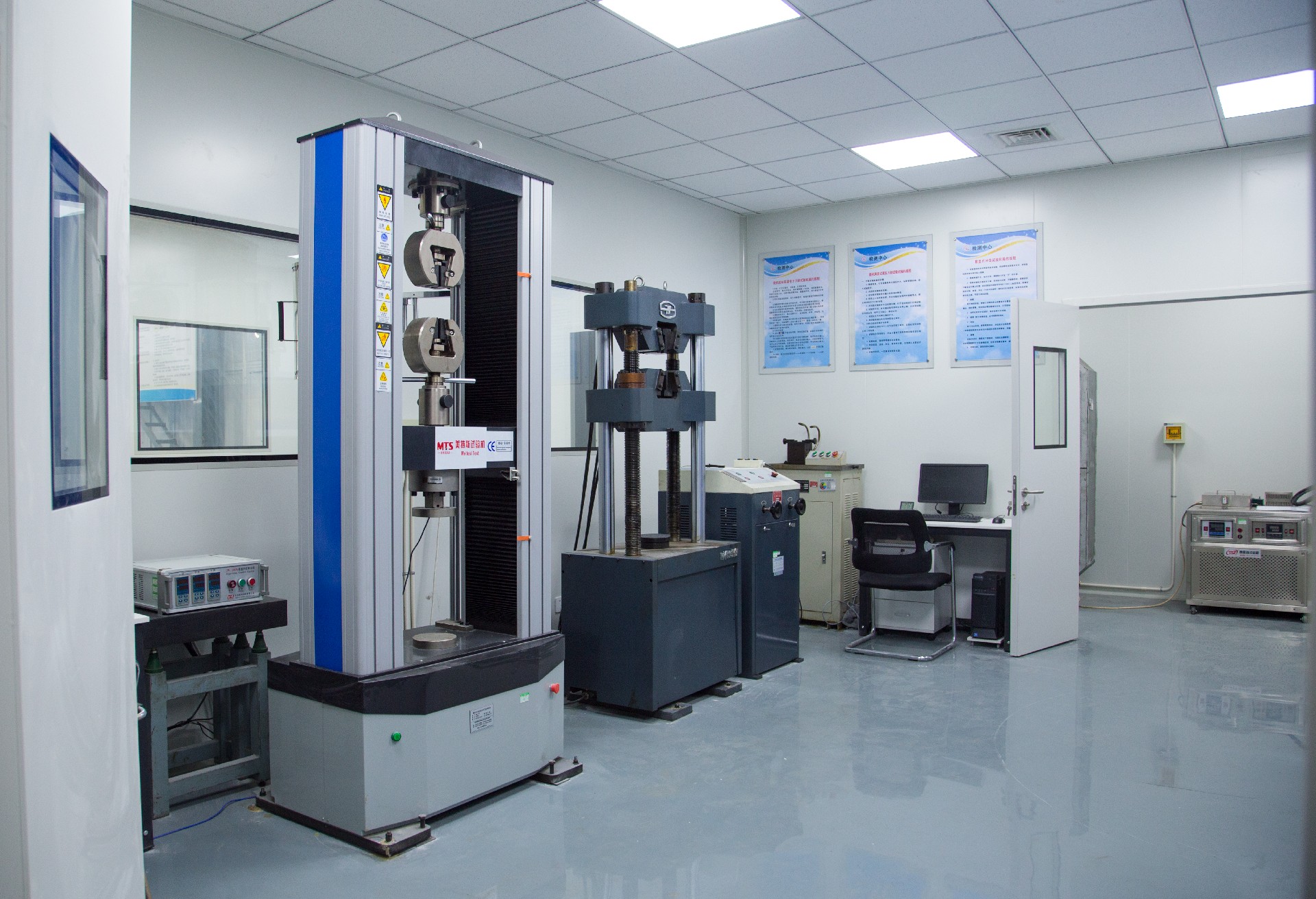
Compared with traditional valves, butterfly valves have the advantages of simple structure, small size and light weight. Key components such as the valve stem are often equipped with nylon bushings to reduce friction and ensure flexible opening and closing over a long period. The sealing rings and other wear-prone parts are designed as replaceable, so when the sealing performance declines, the entire valve does not need to be replaced, significantly reducing the maintenance cost and time during long-term use. The product has undergone strict strength and sealing performance tests. For some models, the sampling fatigue life test can reach more than 30,000 times, ensuring a long and reliable service life.

Follow us
WeChat Official Account


Copyright © 2026 Shanghai Kigon Valve Co., Ltd. Statement
Technical Support:Pro Insurance Network