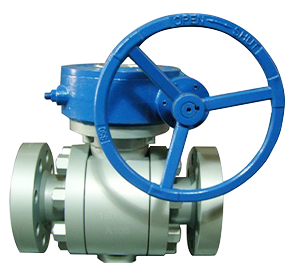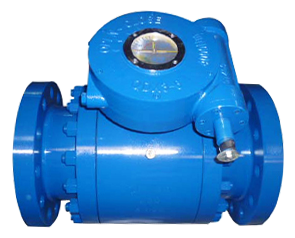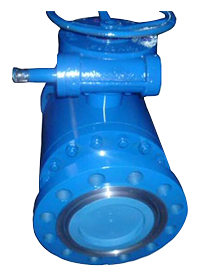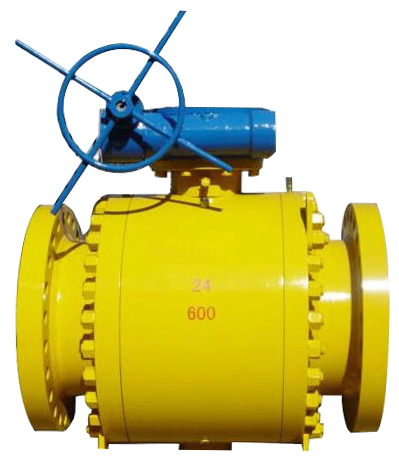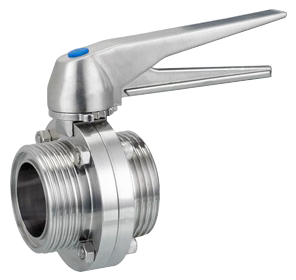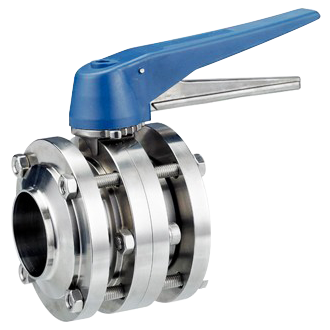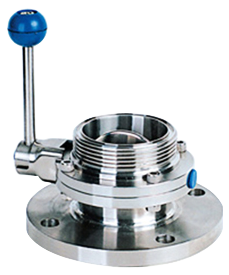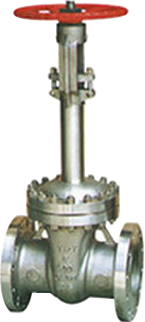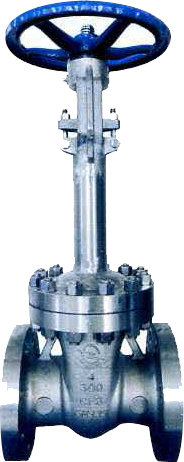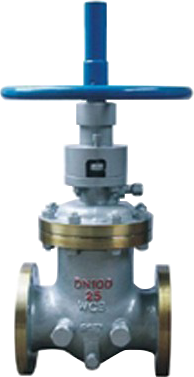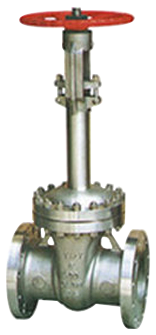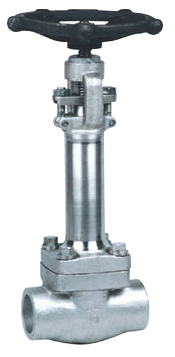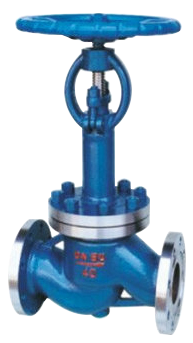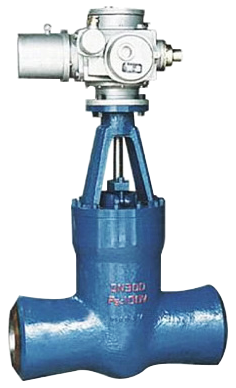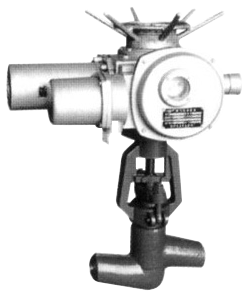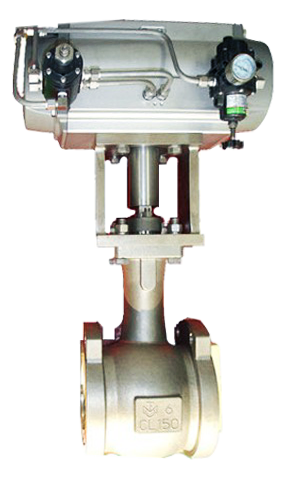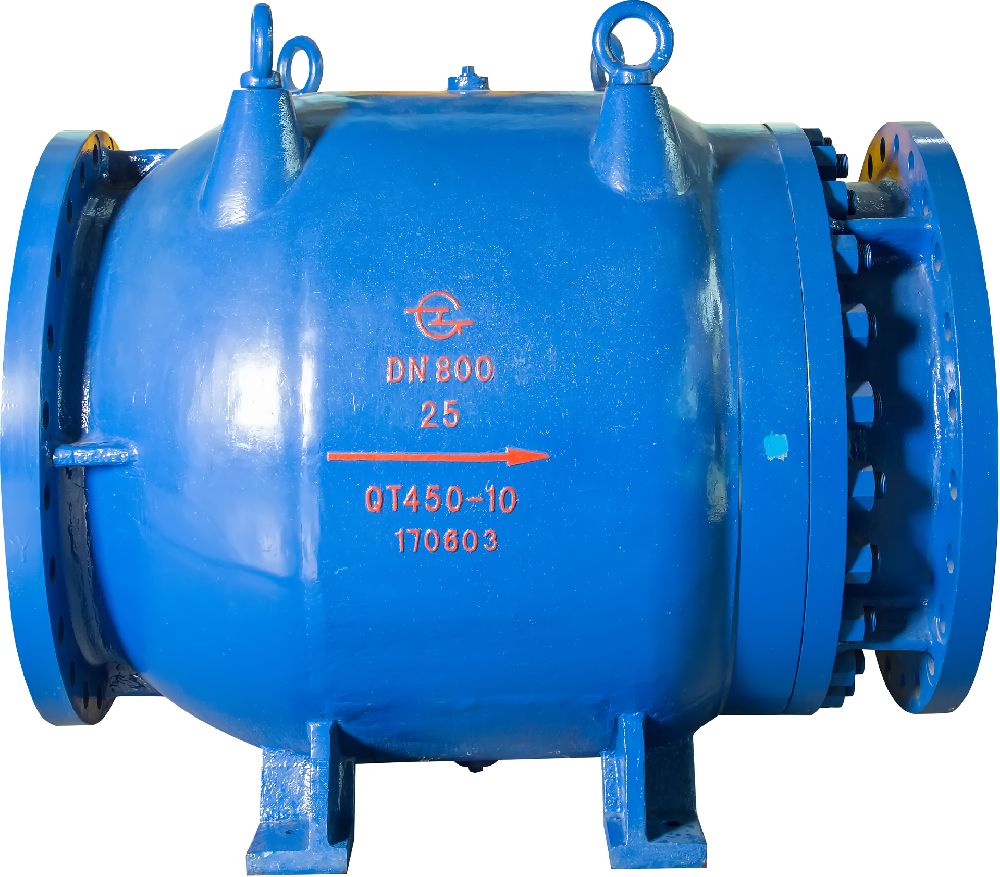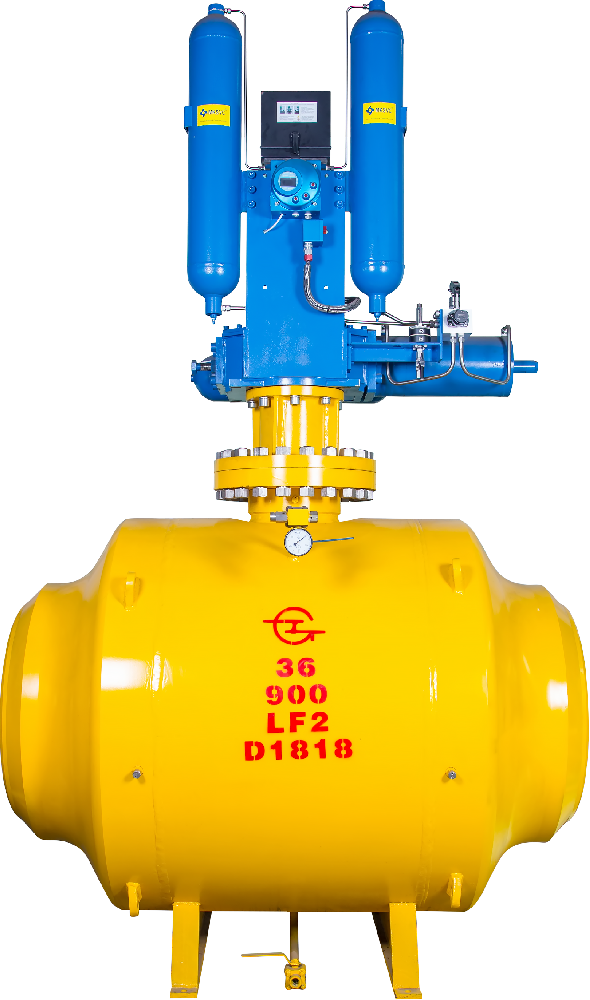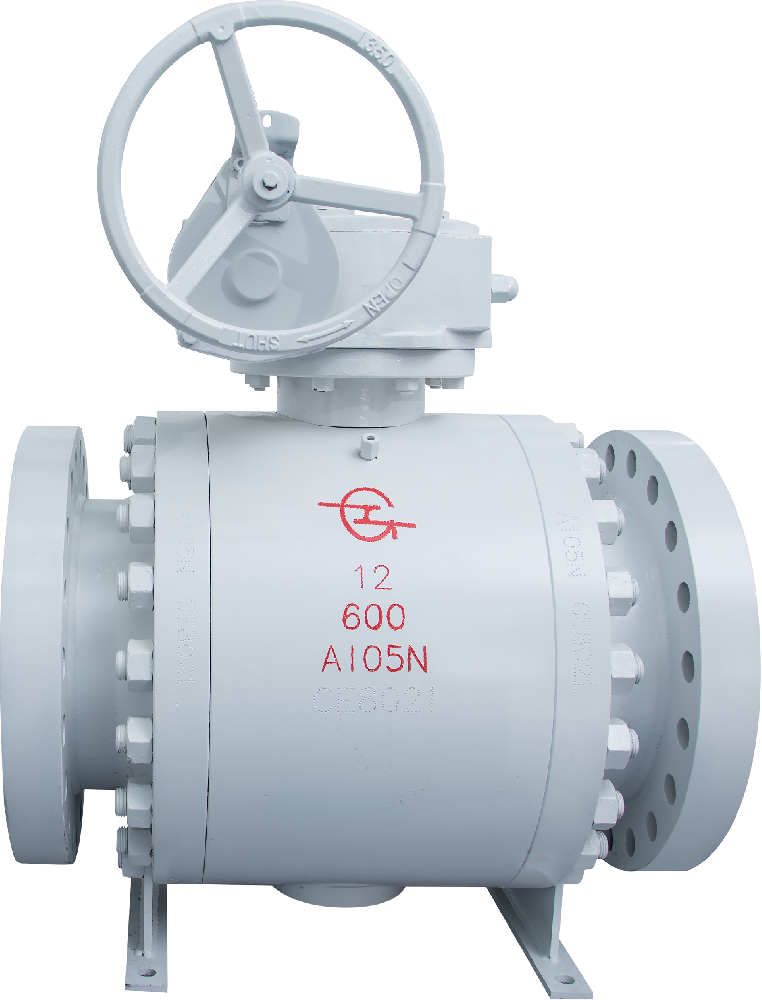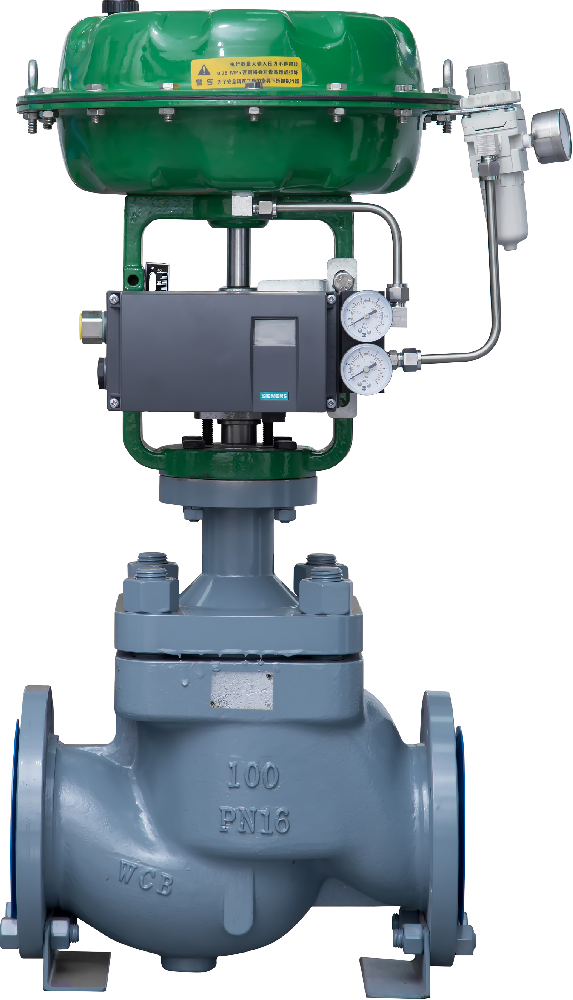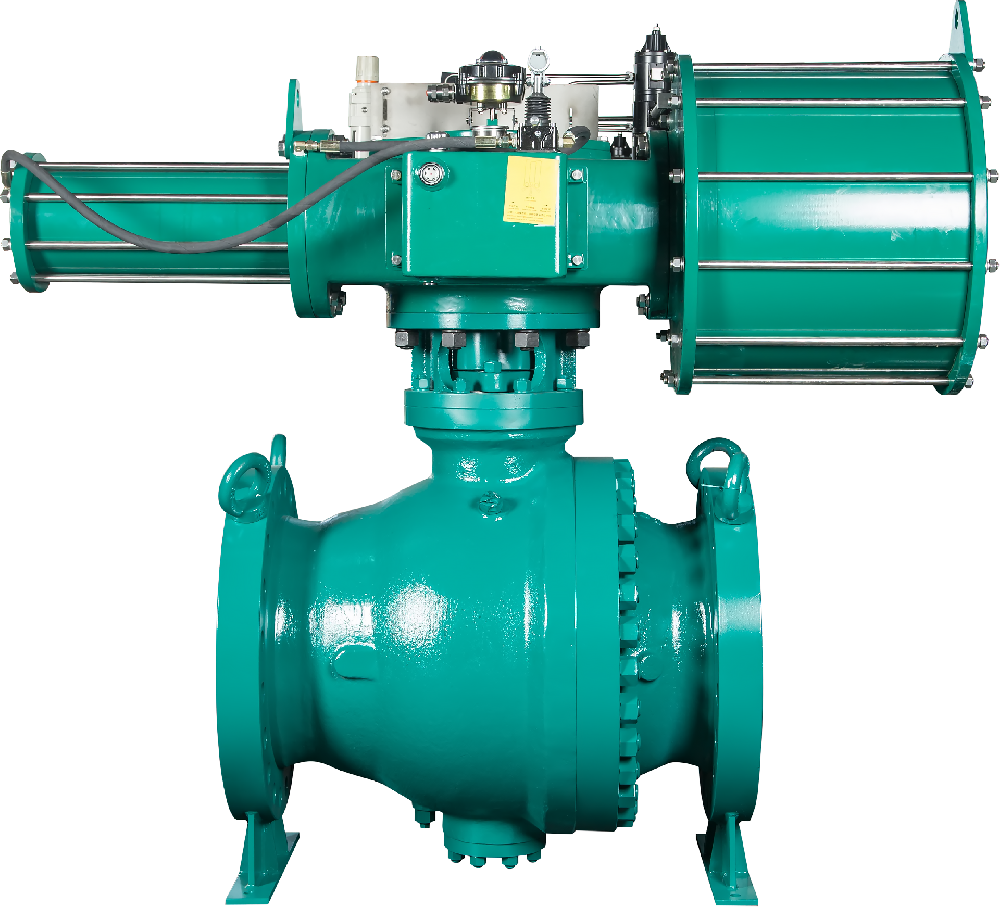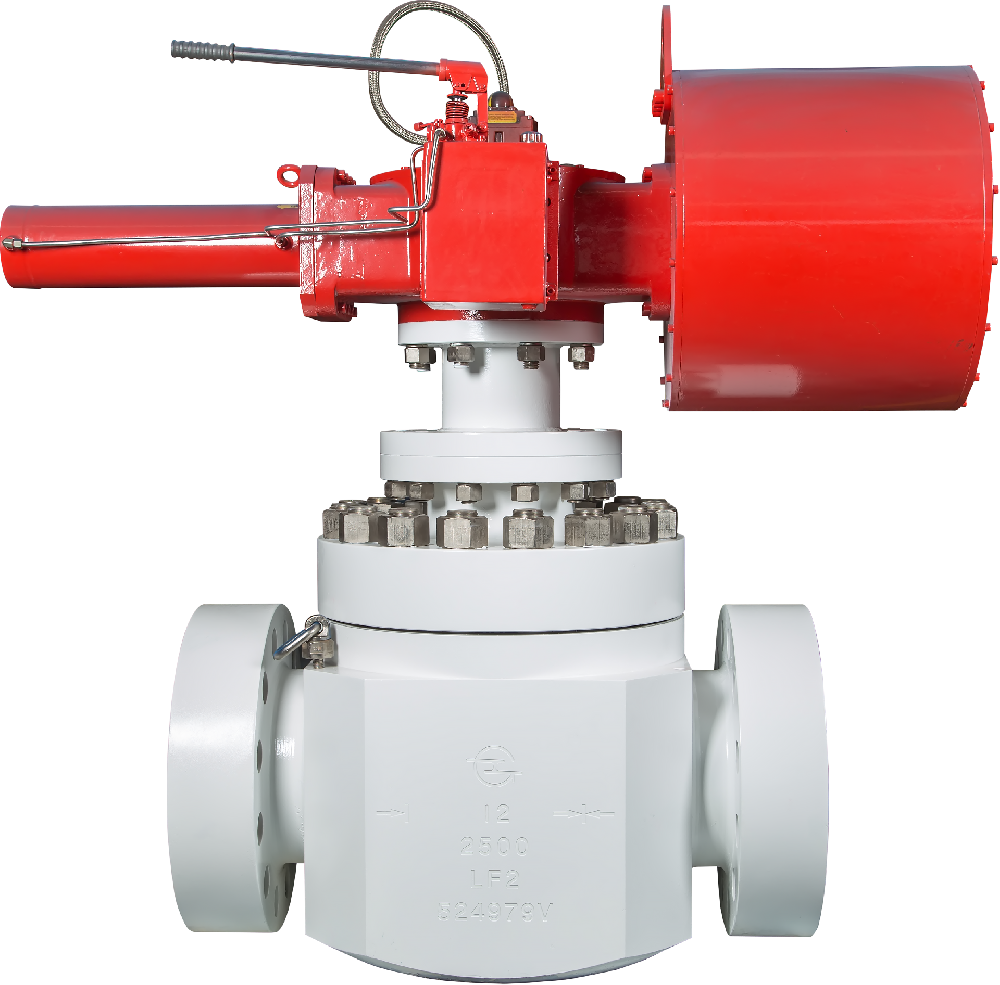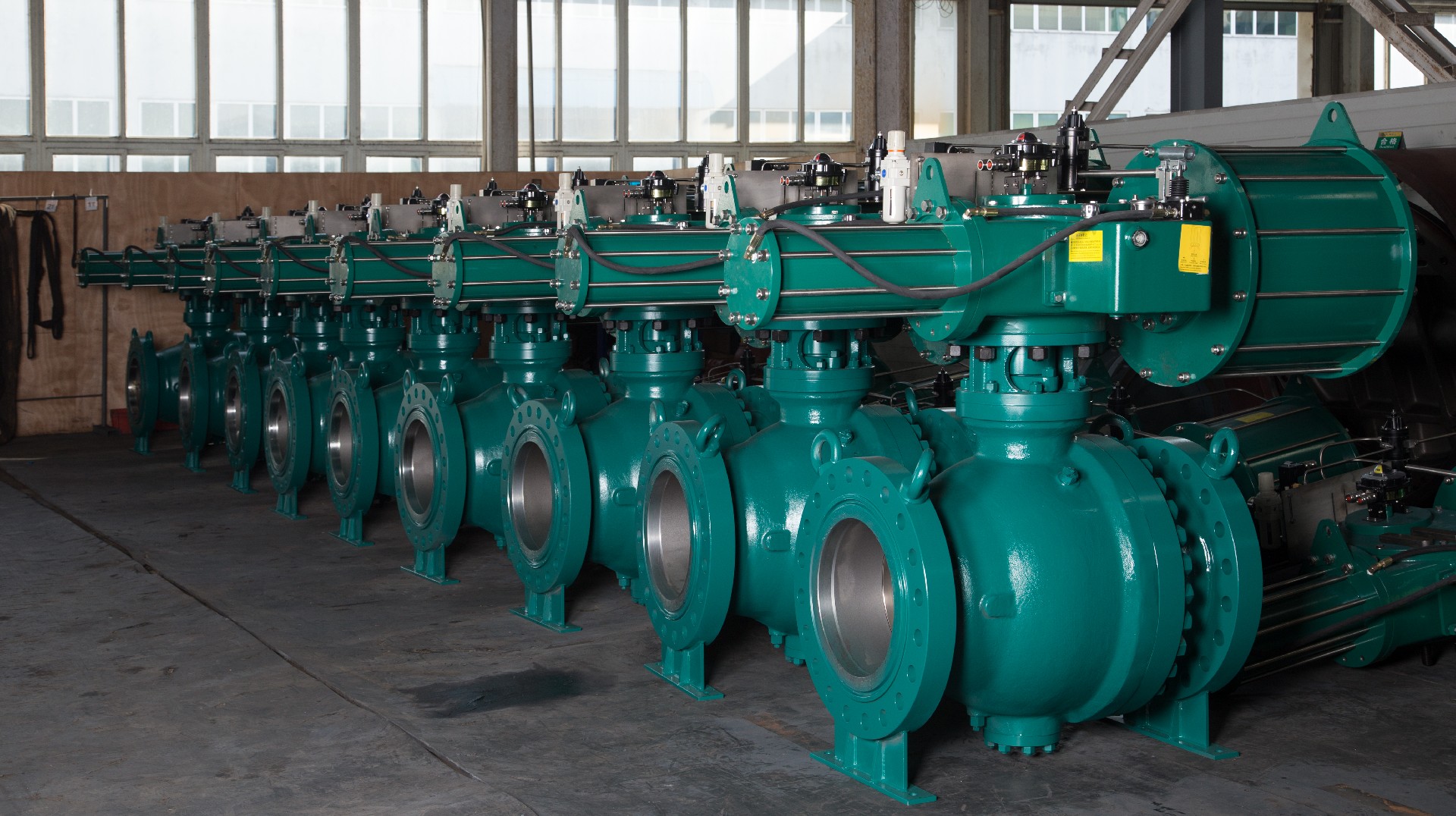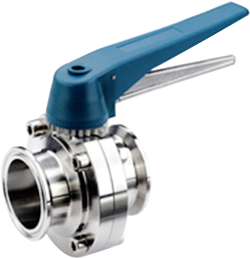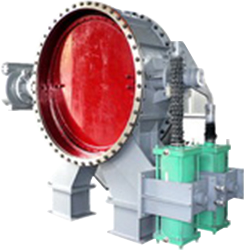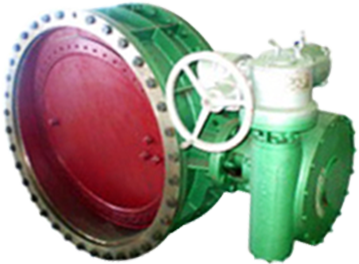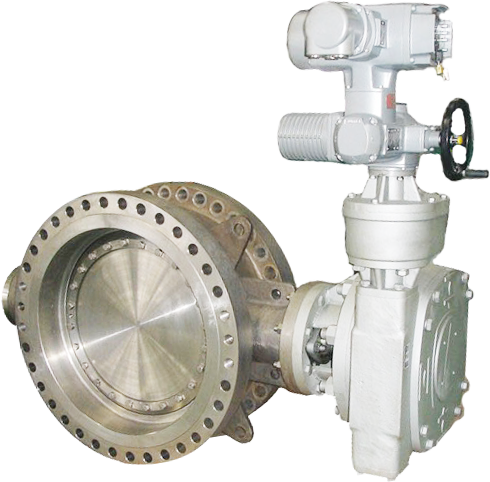

Name: Pneumatic Gas Ball Valve
Pitch: 50 - 3000 mm
Pressure: ≤ 0.05 MPa
Material: Q235-A, 16MnR, WCB
Temperature: ≤ 600 ℃
Medium: Gas
Manipulation: Pneumatic
The core of the pneumatic gas butterfly valve lies in its adaptive design for harsh working conditions. The main pressure-bearing components such as the valve body, butterfly plate, and valve stem are made of high-strength and high-temperature-resistant high-quality materials, such as Q235-A carbon steel, 16MnR low alloy steel, or WCB cast steel. These materials can maintain good mechanical properties and structural stability even at temperatures up to 600°C. The valve's nominal diameter range is extremely wide, covering from DN50 to DN3000, which can meet the various diameter requirements from branch pipes to main pipes. Its nominal pressure rating typically ranges from PN0.6 to PN2.5 MPa, capable of adapting to different pipe network pressure requirements.
This valve typically adopts a three-sealed eccentric or multi-layer metal hard-sealing structure. The sealing surface of the butterfly plate is usually welded with wear-resistant materials such as cobalt-based hard alloys. The valve seat is designed with a stainless steel and flexible graphite sandwich structure. This combination not only achieves high hardness and wear resistance of the metal sealing surface, but also ensures long-term sealing effectiveness under high-temperature deformation and medium erosion through the elastic compensation of the graphite layer. The leakage rate can reach an extremely low standard. For dusty gas, many models are also designed with special scraping mechanisms or anti-lock devices. During the opening and closing process of the butterfly plate, it can effectively scrape off the dust and tar adhering to the sealing surface, preventing the valve from getting stuck due to impurity accumulation and ensuring that the switching action is always flexible and reliable.
The actuating part adopts high-performance single-acting (spring-return) or double-acting pneumatic actuators (such as GT, AT, AW series), powered by clean compressed air at 0.4-0.7 MPa. This actuating method endows the valve with intrinsic safety explosion-proof characteristics, completely eliminating the risk of electric sparks, and is particularly suitable for environments with flammable and explosive substances. At the same time, the pneumatic actuator has extremely fast response speed, enabling emergency shut-off within seconds or even sub-microseconds, meeting the rapid response requirements of safety instrument systems (SIS). By equipping with intelligent positioners, solenoid valves, limit switches and other accessories, the valve can be easily integrated into DCS or PLC systems, achieving precise proportional regulation (4-20mA signal control) and remote status monitoring.
1. Outstanding sealing reliability and long service life:
By adopting advanced hard-sealing technology, the sealing pair is resistant to high temperatures, wear and erosion. Its unique eccentric design enables the butterfly plate to quickly separate from the valve seat when opening, and becomes tighter as it closes, achieving a nearly zero-leakage sealing effect. The sealing life can reach tens of thousands of opening and closing cycles, significantly reducing maintenance frequency and operational costs.
2. Excellent adaptability to working conditions and anti-blockage design:
It has been specially optimized for handling dirty gas containing dust and tar. The valve stem undergoes special treatments such as chrome plating, and is equipped with high-temperature graphite packing and dust-proof bearing structure, effectively preventing dust from entering the transmission parts. The scraper design can automatically remove impurities from the sealing surface, completely solving the industry problems such as scaling, shaft seizure and poor opening and closing of traditional valves in gas pipelines.
3. Rapid security response and high reliability:
The pneumatic drive method offers unparalleled response speed. In the event of system failure or the need for emergency isolation, it can instantly complete the cutting action. The single-acting spring-return type actuator can automatically drive the valve to the preset safe position (fully open or fully closed) in the event of air loss, providing dual protection for the process system and personnel safety.
4. Powerful driving torque and stable control performance:
The pneumatic actuator has a large output torque, enabling it to easily drive large-diameter valves. When combined with a high-precision positioner, it can achieve precise proportional regulation of the valve, with high control accuracy and excellent flow characteristics, meeting the requirements of modern industrial automation for precise control of process parameters.
5. Easy maintenance and high cost-effectiveness:
The valve structure is relatively simple and compact. Many designs support on-site maintenance. The replacement of wear-prone components such as seals is convenient, and the valve does not need to be removed from the pipeline as a whole. This significantly reduces the maintenance difficulty and downtime. Compared with electric or hydraulic drive solutions, the initial investment and long-term operating costs of the pneumatic system are more economically viable.

Follow us
WeChat Official Account


Copyright © 2026 Shanghai Kigon Valve Co., Ltd. Statement
Technical Support:Pro Insurance Network