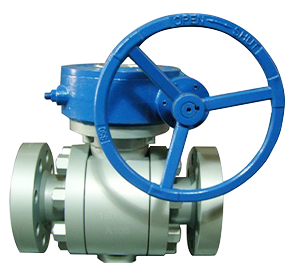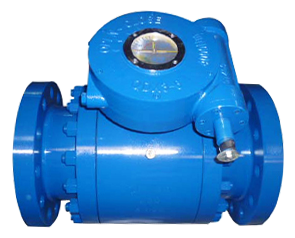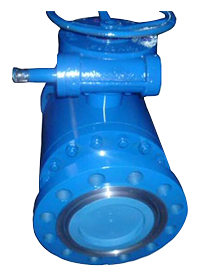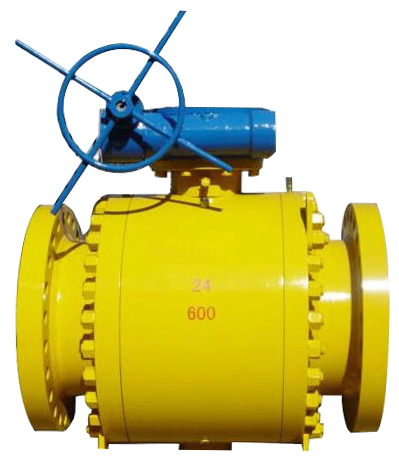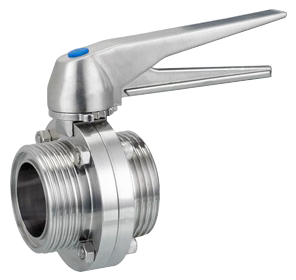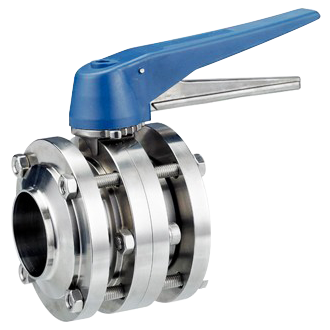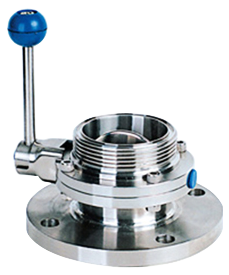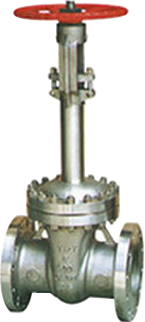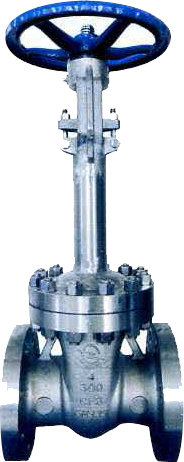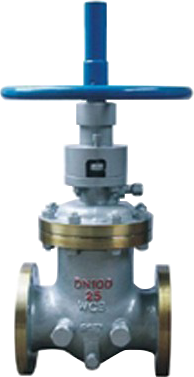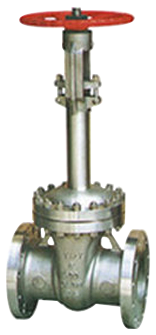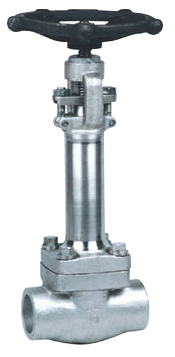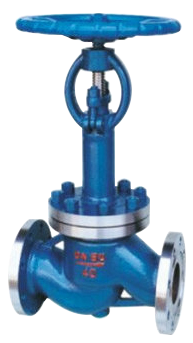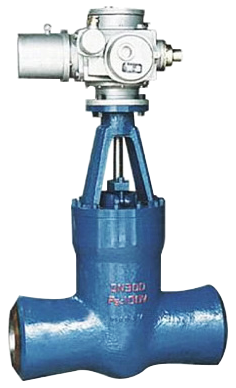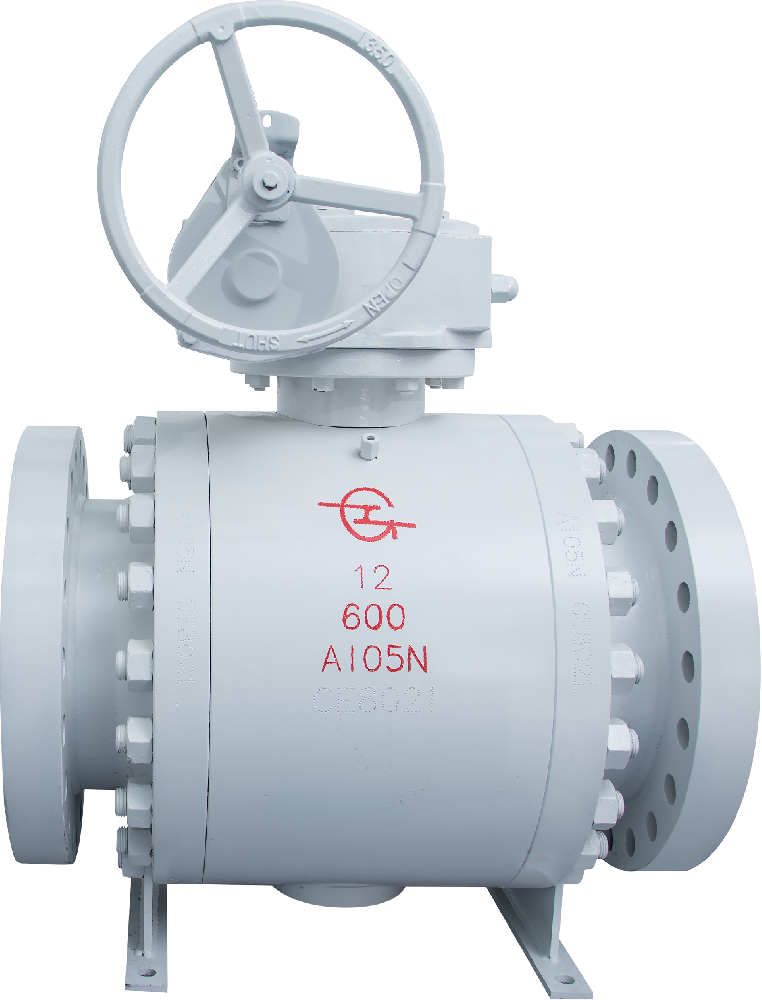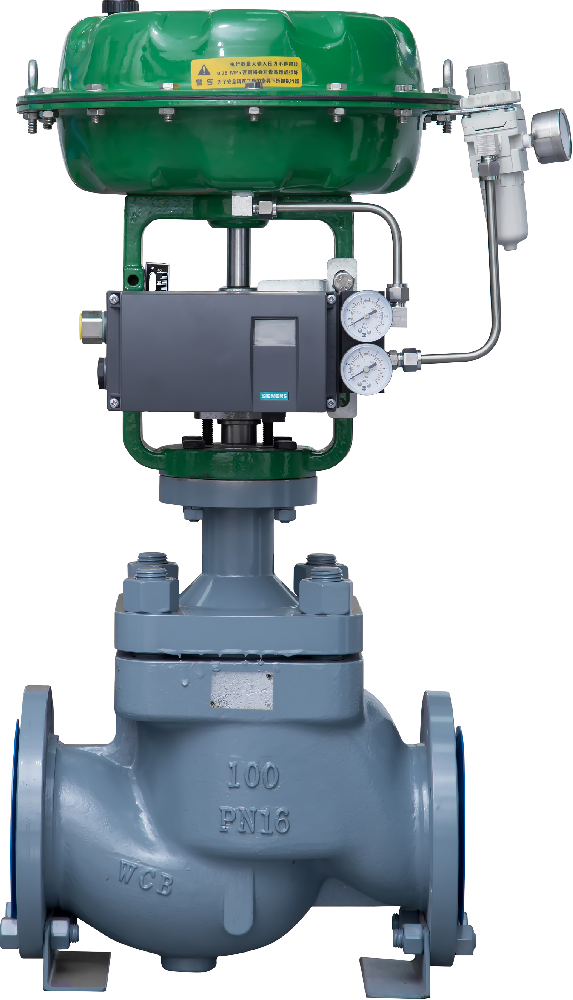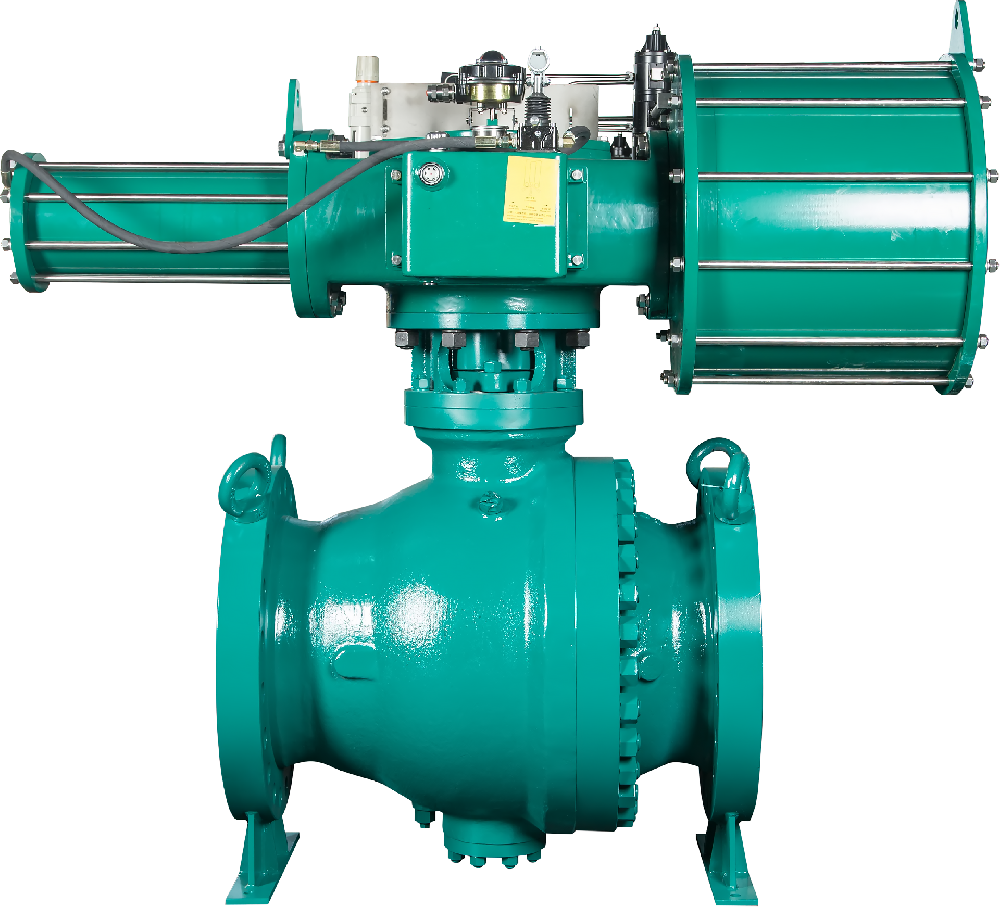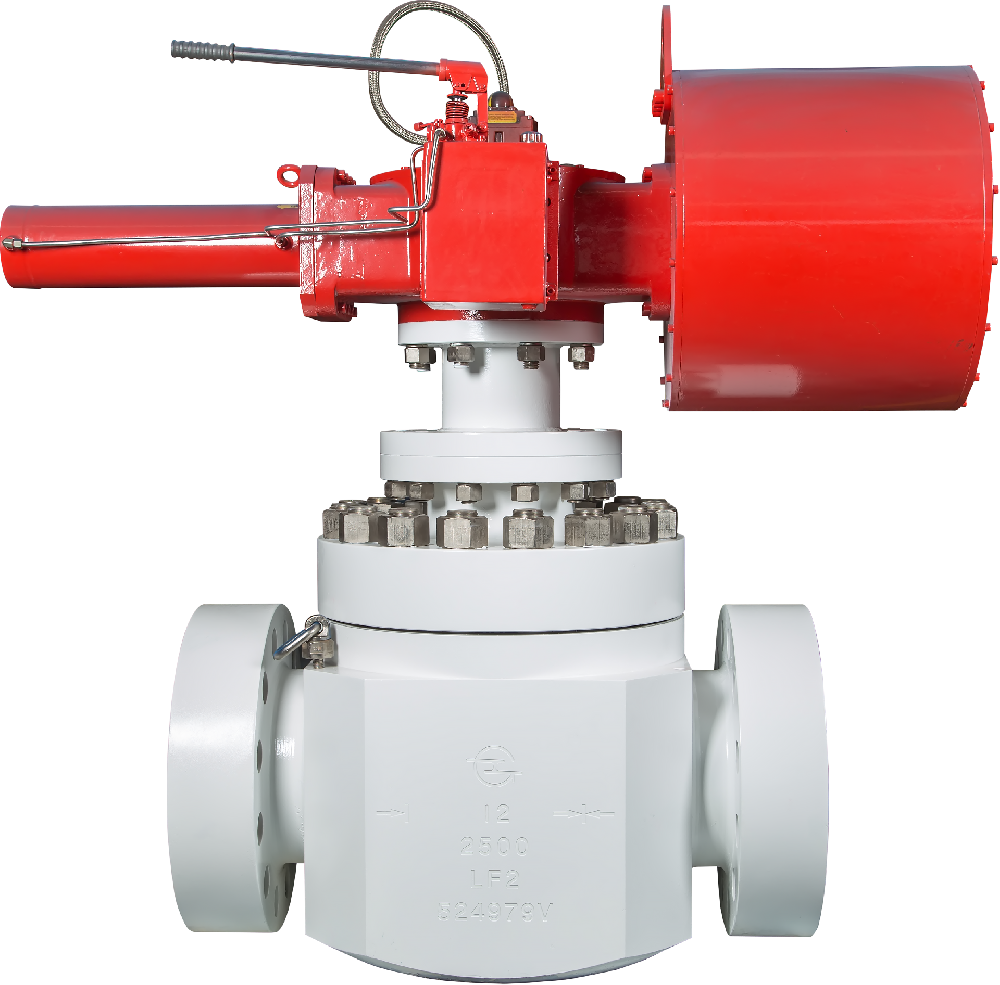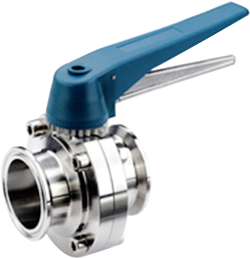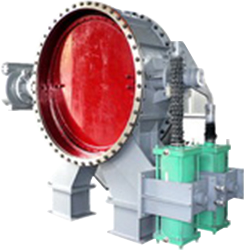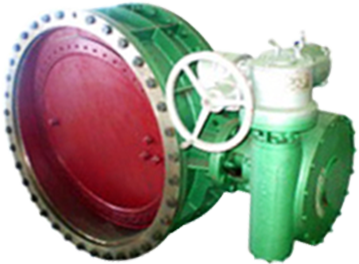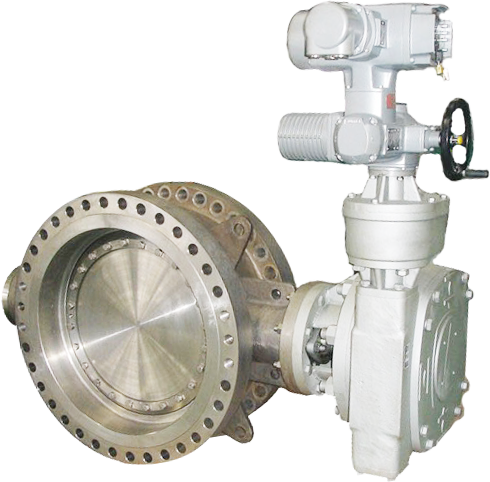

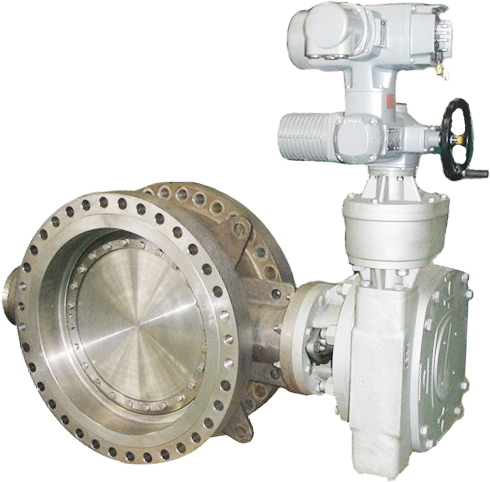
Pitch: 8" to 158"; DN200 to 400
Pressure: 150Lb to 900Lb; 0.6MPa to 15MPa
Temperature: -46 to 350 degrees Celsius
Medium: Circulating water, sewage, industrial wastewater, air, gas, syngas, flue gas, exhaust gas, etc.
Material: ductile iron, high chromium cast iron, carbon steel, austenitic stainless steel, duplex steel, etc.
The three-bias metal hard-sealing butterfly valve is a high-performance industrial valve that integrates advanced geometric principles and high-precision manufacturing techniques. It represents the cutting-edge level of cutting and regulating technologies under modern large-diameter and high-parameter working conditions. Its core design adopts a revolutionary three-dimensional bias structure: the axis of the valve stem is offset from the sealing surface of the butterfly plate by a certain size to form the first bias; the axis of the valve stem forms a second bias with the axis of the pipeline and the valve passage; and the center line of the butterfly plate sealing surface forms an inclined angle with the axis of the valve passage, forming the third bias.
This compound eccentric design enables the butterfly plate to be instantly detached from the valve seat during the opening process, achieving full frictionless rotation. Only at the final closing position, it relies on the wedging effect of the conical surface to achieve sealing, forming a unique mechanical property of "getting tighter as it closes". This valve has a wide range of specifications, with nominal diameters ranging from DN200 to DN4000 (8" to 158"), pressure ratings covering PN0.6 to PN15MPa (corresponding to 150Lb to 900Lb in the American standard), and a wide temperature range (-46℃ to +350℃). It can handle various complex, particle-containing or corrosive media such as circulating water, sewage, industrial wastewater, air, gas, syngas, smoke, and exhaust gas.
The valve body and key components can be made of various materials such as ductile iron, high-chromium cast iron, carbon steel, austenitic stainless steel (304/316), and duplex steel according to the characteristics of the medium and the operating environment. This demonstrates excellent adaptability to working conditions and a high degree of customization capability.
Innovative three-offset conical surface seal and zero-friction self-compensation
The three-dimensional eccentric structure is the core of this valve. It not only eliminates the friction and wear during the opening and closing of the butterfly plate, but also optimizes the traditional face-contact seal into a nearly line-contact wedge seal through the inclined conical sealing surface design. When the valve is closed, the conical surface of the butterfly plate "rolls" and presses into the valve seat conical surface, generating self-enhanced sealing force. The higher the medium pressure, the greater the sealing pressure ratio, and the more reliable the seal. This structure also has a temperature-pressure self-compensation function, which can automatically adapt to the slight deformation of the valve body and butterfly plate caused by temperature and pressure fluctuations, ensuring the sealing stability under long-term operation and thermal cycling conditions.
2. State-of-the-art precision manufacturing and "bubble-level" sealing guarantee
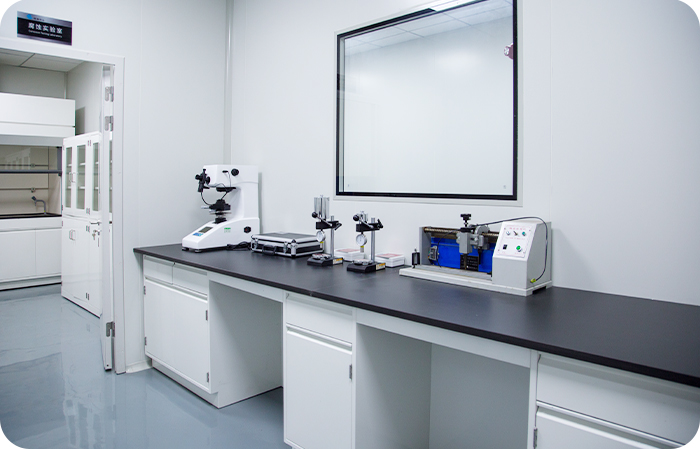
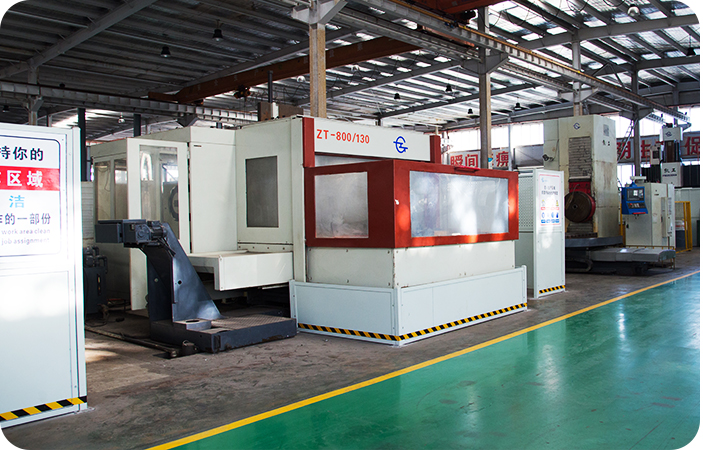
To achieve absolute sealing reliability, the core sealing pair of the valve adopts an extremely advanced manufacturing process. The sealing surface of the butterfly plate is completed on a five-axis联动 CNC machining center, ensuring ultra-high precision of the complex three-dimensional geometric contours. Subsequently, it undergoes advanced Milling Grinding (Mirror Grinding) for mirror-polishing, achieving a nanometer-level smoothness on the sealing surface. This "direct contact" metal sealing pair (typically made of stainless steel clad with Samte alloy, sprayed with nickel-based alloy, or directly embedded with hard alloy rings) is precisely matched and ground after which it can meet the stringent sealing standards of ANSI B16.104 VI (zero leakage) or V levels, with a service life far exceeding that of traditional valves.
3. Optimized truss-type flow channels and outstanding fluid performance
For large-diameter valves, the butterfly plate adopts a high-strength truss-type (or ribbed plate-type) hollow structure. This design ensures that the butterfly plate has sufficient structural strength and rigidity while significantly reducing its weight, lowering the opening and closing torque and the requirements for the actuator, and maximizing the effective flow passage area. The optimized streamlined contour results in extremely low fluid resistance, with pressure loss being significantly lower than that of gate valves or globe valves of the same diameter. It has excellent energy-saving effects and is particularly suitable for conveying applications with high flow rates and low pressure losses.
4. Exceptional adaptability to various working conditions and wide range of application fields
With its wide temperature tolerance range from -46℃ to 350℃, as well as a high pressure rating of up to PN15/Class 900, this valve can be deployed in demanding positions across numerous industries such as water treatment, power, metallurgy, petrochemicals, coal chemical industries, and offshore platforms. Whether it is handling dusty gas, corrosive smoke, industrial wastewater, or transporting high-temperature steam or synthetic process gas, its robust metal hard-sealing structure and diverse material options can provide reliable solutions. The bidirectional pressure-bearing sealing design ensures that installation is not restricted by the direction of the medium flow.
5. Flexible drive configuration and intelligent control interface
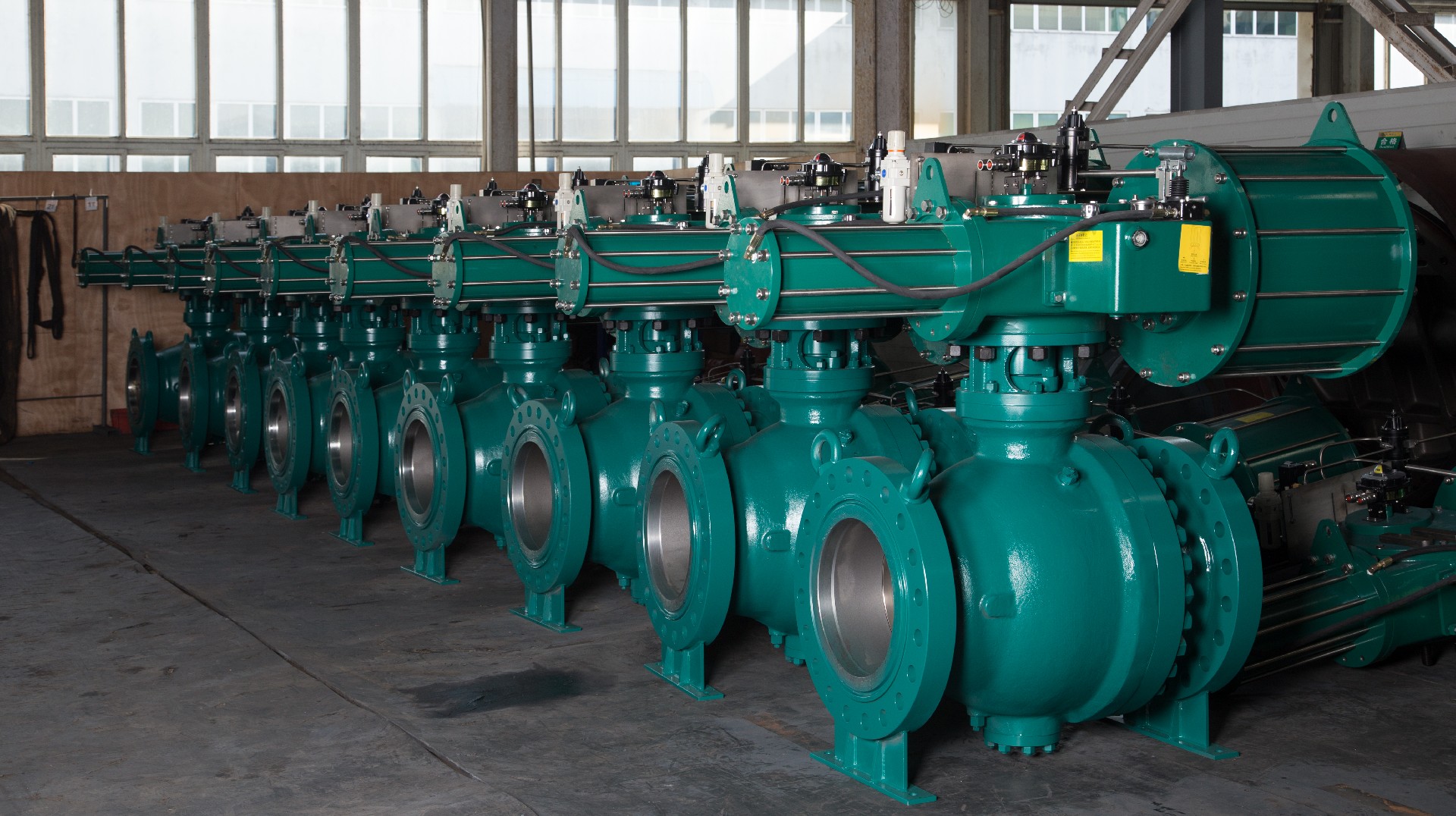
The valves support various driving methods such as manual (through a worm gear box), electric, pneumatic, and hydraulic, which can meet all requirements ranging from local manual operation to fully automatic remote control. Large-diameter valves are often equipped with high-performance gearboxes or multi-turn actuators to provide sufficient driving torque. By integrating intelligent positioners, limit switches, torque switches, and bus communication modules, the valves can achieve precise proportional regulation, stroke control, fault diagnosis, and be seamlessly integrated with upper-level systems such as DCS and PLC, making them an ideal choice for building modern and intelligent industrial pipeline networks.

Follow us
WeChat Official Account


Copyright © 2026 Shanghai Kigon Valve Co., Ltd. Statement
Technical Support:Pro Insurance Network