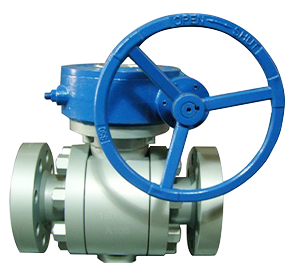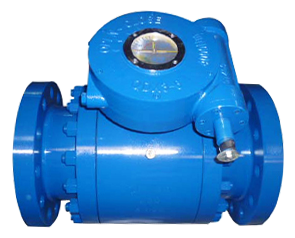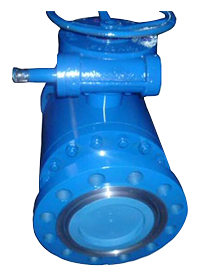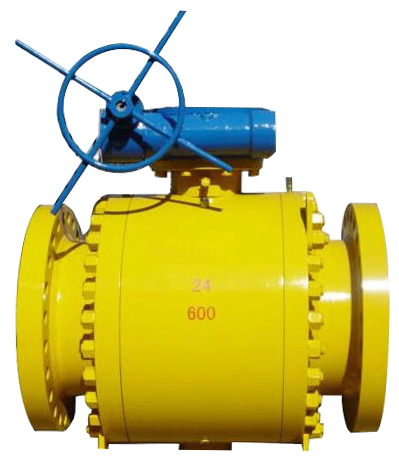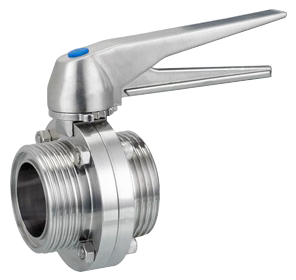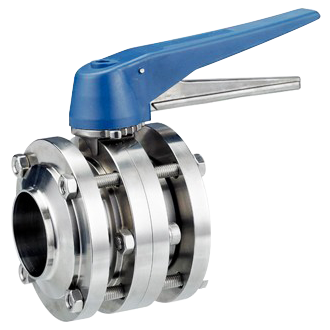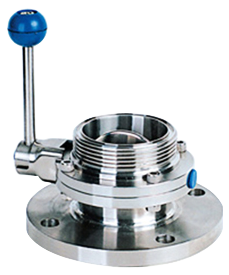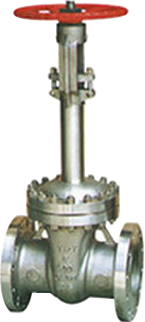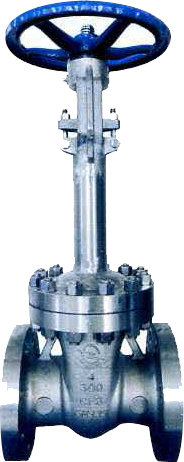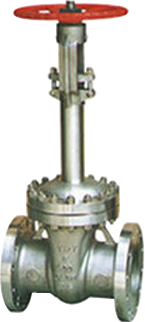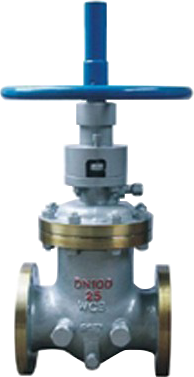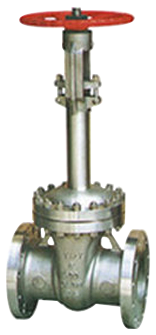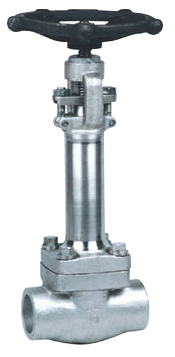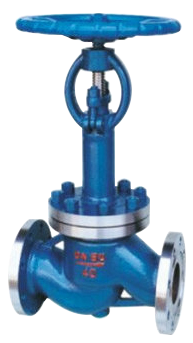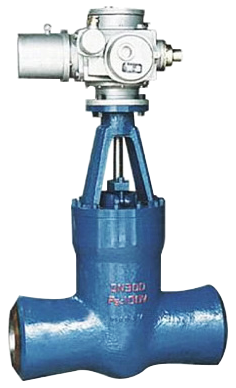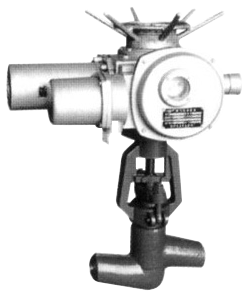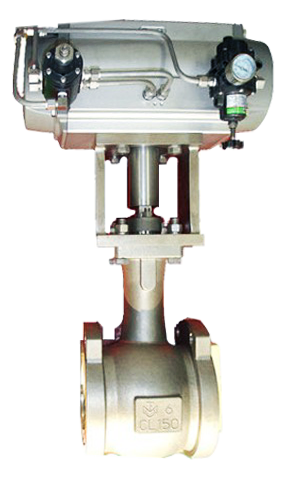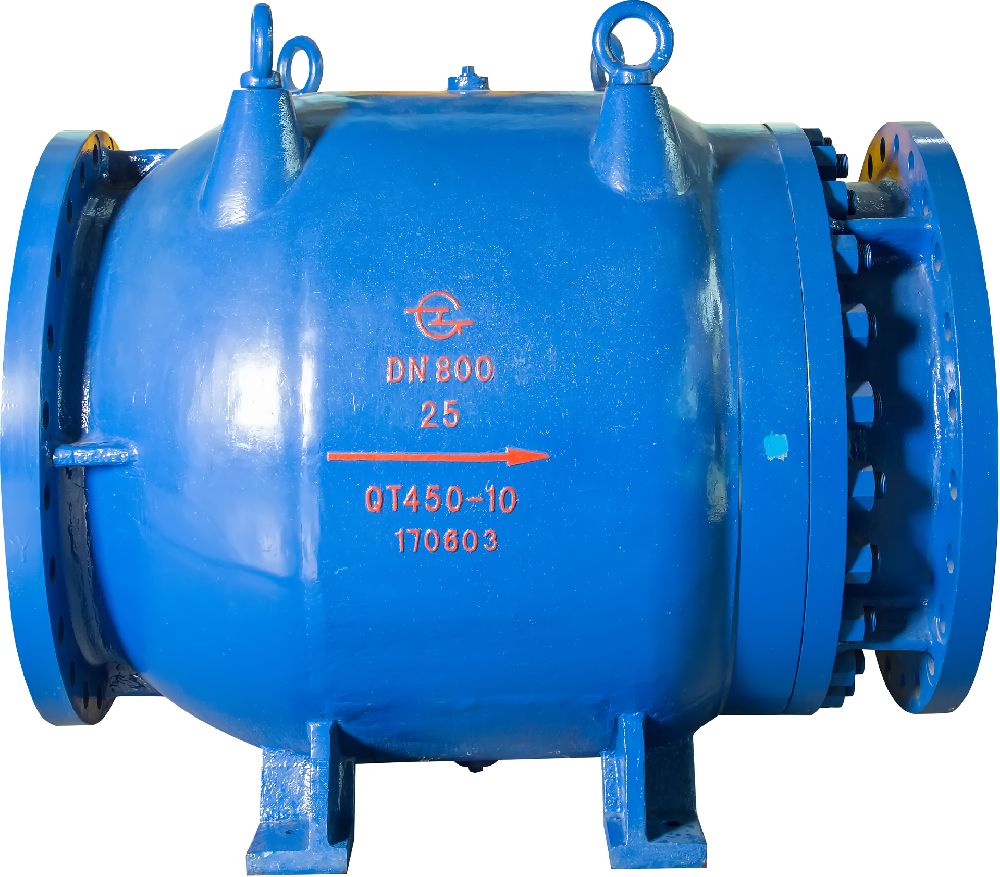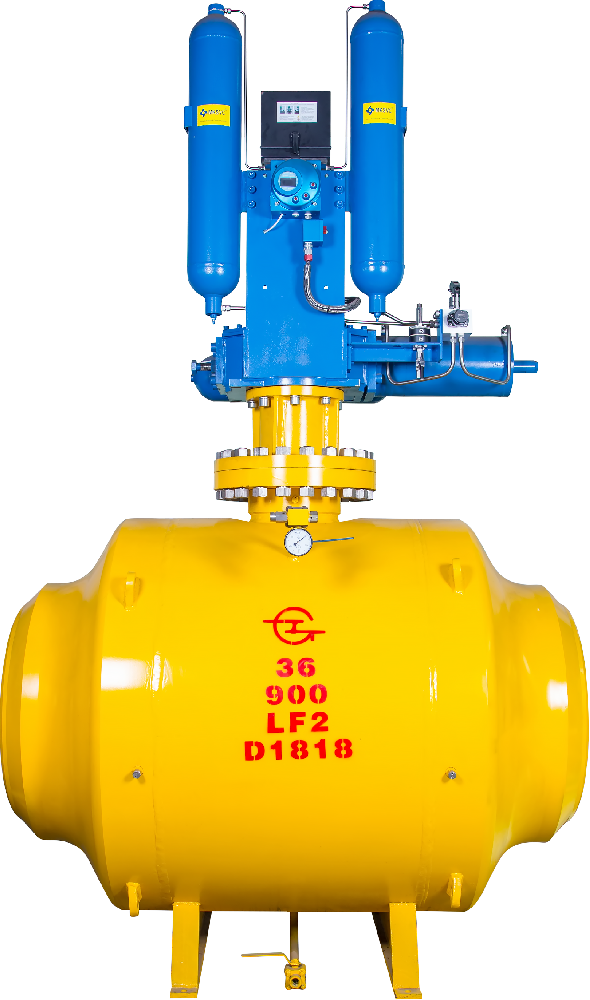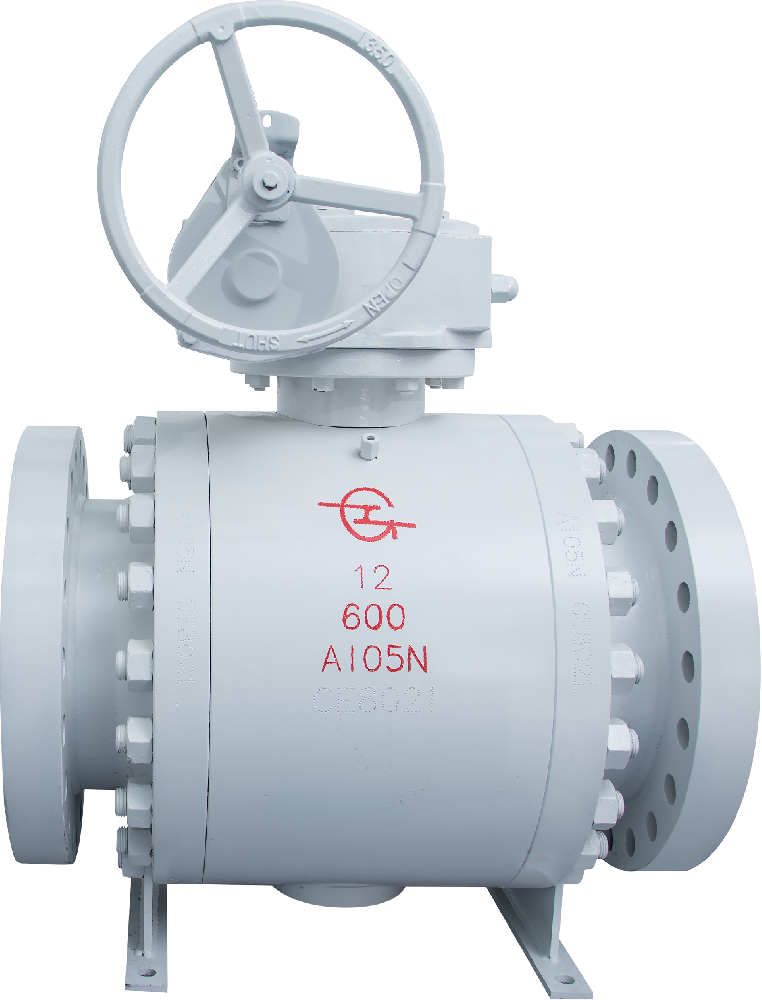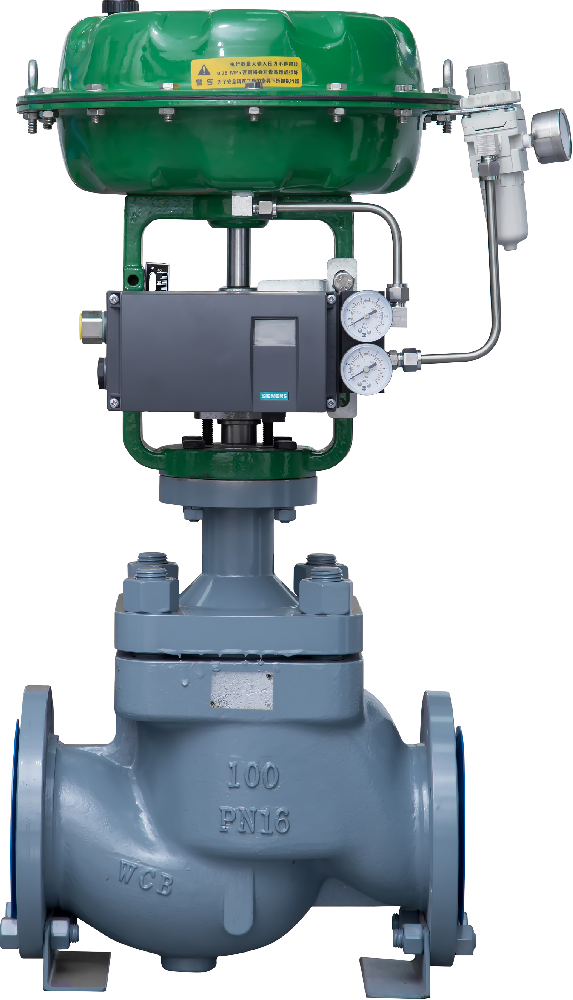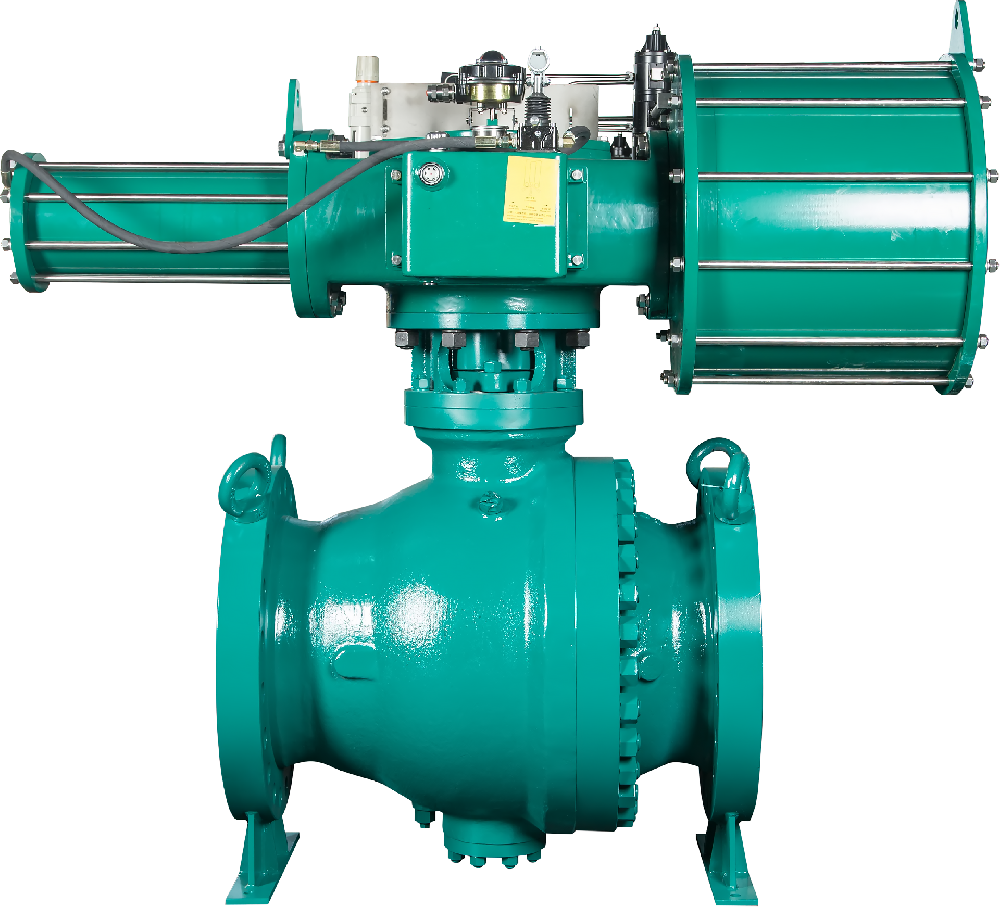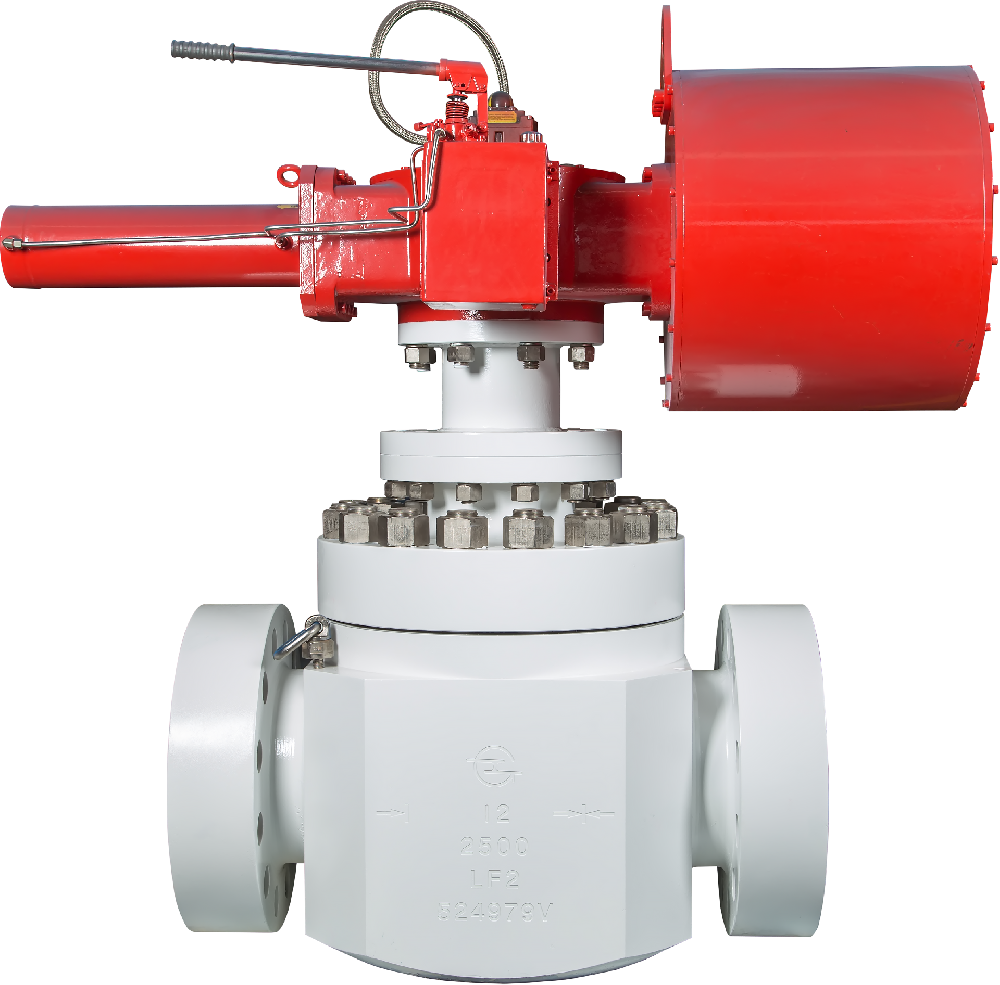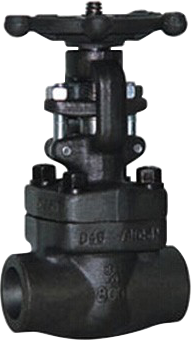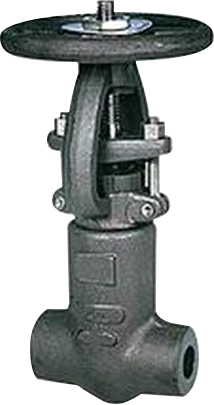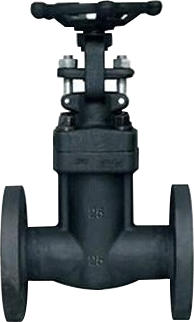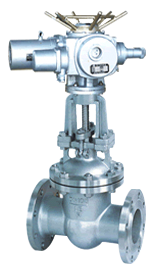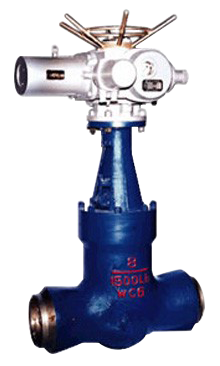

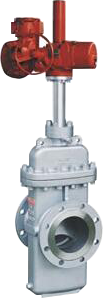
I. Introduction to Plate Gate Valve
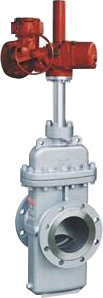
A flat gate valve is a type of valve whose closing element is a parallel gate plate. The closing element can be a single gate plate or a double gate plate with an opening mechanism in between.
The clamping force of the gate plate on the valve seat is controlled by the medium pressure acting on the floating gate plate or the floating valve seat. If it is a double-gate plate plate gate valve, the opening mechanism between the two gate plates can supplement this clamping force.
II. Classification of Flat Gate Valves
Plastic gate valves can be classified into manual plastic gate valves, pneumatic plastic gate valves and electric plastic gate valves according to the driving method. According to their uses and application scenarios, they can be divided into plastic gate valves with guide holes, plastic gate valves without guide holes, oilfield plastic gate valves, pipeline plastic gate valves and gas plastic gate valves, etc.
III. Characteristics of Flat Gate Valves
The heat preservation gate valve product adopts a new floating-type sealing structure. It is suitable for pipelines transporting oil, natural gas, etc. with a pressure not exceeding 15.0 MPa and a temperature range of -29 to 121℃. As a control device for the opening and closing and regulation of the medium, this product has a novel structure design, appropriate material selection, strict testing, and convenient operation. It has strong anti-corrosion, wear resistance, and erosion resistance properties, and is an ideal new equipment in the petroleum industry.
IV. Structural Characteristics and Working Principle of the Flat Gate Valve
1.The floating valve seat is adopted, allowing for both one-way and two-way opening and closing. The sealing is reliable and the operation is flexible.
2. The gate plates are precisely guided by guide strips, and the sealing surfaces are all sprayed with hard alloy for corrosion resistance.
3. The valve body has high load-bearing capacity. The channel is of a straight-through type. When fully open, it is in direct communication with the gate's flow passage and similar to a straight pipe, resulting in very low flow resistance. The valve stem uses a composite packing and multiple seals, ensuring reliable sealing and low friction.
4. When closing the self-actuated valve, rotate the handwheel clockwise. The gate disc descends to the bottom. Due to the pressure of the medium, the inlet side sealing seat is pushed towards the gate disc, creating a high sealing specific pressure and thus forming the first sealing. Simultaneously, the gate disc is pressed against the outlet side sealing seat, resulting in a double seal.
5. Thanks to the double seal design, wearing parts can be replaced without affecting the pipeline operation. This is a key advantage of our product, making it superior to similar products both domestically and internationally.
6. To open the valve, rotate the handwheel counterclockwise. The gate disc rises, allowing the diversion port to align with the channel port. As the gate disc continues to ascend, the opening gradually increases. When the gate disc reaches its fully open position, the diversion port completely coincides with the channel port, achieving full opening.
V. Operation, Maintenance, Care, and Precautions for Flat Gate Valves
1. The valve has undergone pressure and seat testing prior to shipment. All connections should remain in their initial state during use.
2. The handwheel of this valve series is marked with the opening and closing rotation direction. The rising stem type is equipped with an opening/closing height scale on the upper part for adjustment and indication.
3. When welding the valve to the pipeline, the valve should be in the fully open position. Adequately protect the neck area with damp heat-resistant materials to minimize high-temperature heat transfer and prevent damage to the sealing/packing components.
4. Do not use a cheater bar (lever) to close the valve. When the gate is fully closed (reached the top), the handwheel should be reversed approximately 1/2 turn to allow the gate to float.
5. During operation, periodically inject a specified amount of lubricant into the grease fitting on the valve bonnet.
6. If leakage occurs during operation due to wearing parts, replace them promptly.
7. During maintenance, clean the internal cavity thoroughly. Apply lubricant to all transmission parts during reassembly.
8. When the valve is stored or out of service, the gate should be in the closed position. For long-term storage, place it in a ventilated and dry area, and perform regular inspection and maintenance.
VII. Applications of Flat Gate Valves
1. Oil and natural gas transmission pipelines (Class 150–900 / PN 1.0–16.0 MPa, operating temperature -29 to 121°C). Flat gate valves with a through-conduit (venturi) bore also facilitate pipeline pigging.
2. Product oil (refined petroleum products) transmission pipelines and storage facilities.
3. Oil and natural gas wellhead equipment, i.e., Christmas tree valves.
4. Pipelines handling media containing suspended particles.
5. City gas (utility gas) transmission pipelines.
6. Water supply (potable water) engineering projects.
VIII. Selection Guidelines for Flat Gate Valves
1. For oil and natural gas transmission pipelines, select single-gate or double-gate flat gate valves. For applications requiring pipeline pigging, choose single-gate or double-gate flat gate valves with a through-conduit bore and a rising stem.
2. For product oil transmission pipelines and storage facilities, select single-gate or double-gate flat gate valves without a through-conduit bore.
3. For oil and natural gas wellhead equipment (Christmas trees), select non-rising stem flat gate valves with a floating seat and a through-conduit bore, in single-gate or double-gate design. These typically conform to API 6A standard, with pressure ratings such as API 2000, 3000, 5000, 10000, 15000, and 20000 psi.
4. For pipelines handling media with suspended particles, choose knife gate valves.
5. For city gas transmission pipelines, select soft-seated, single-gate or double-gate flat gate valves with a rising stem.
6. For city water supply projects, select single-gate or double-gate flat gate valves without a through-conduit bore and with a rising stem.
The heat preservation gate valve product adopts a new floating-type sealing structure. It is suitable for pipelines transporting oil, natural gas, etc. with a pressure not exceeding 15.0 MPa and a temperature range of -29 to 121℃. As a control device for the opening and closing and regulation of the medium, this product has a novel structure design, appropriate material selection, strict testing, and convenient operation. It has strong anti-corrosion, wear resistance, and erosion resistance properties, and is an ideal new equipment in the petroleum industry.

Follow us
WeChat Official Account


Copyright © 2026 Shanghai Kigon Valve Co., Ltd. Statement
Technical Support:Pro Insurance Network