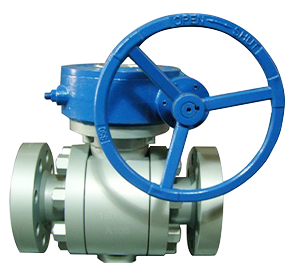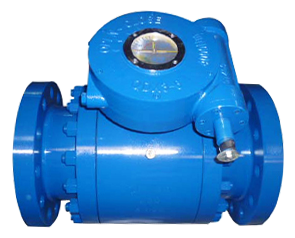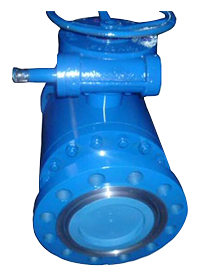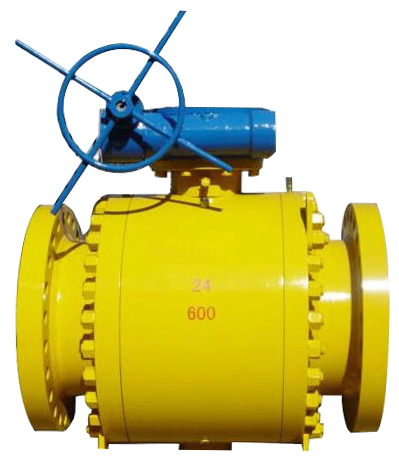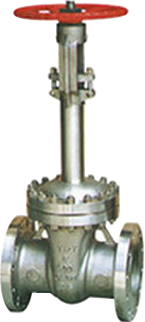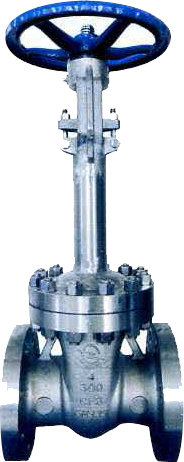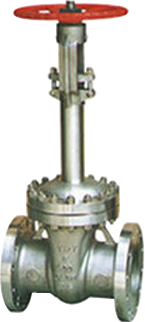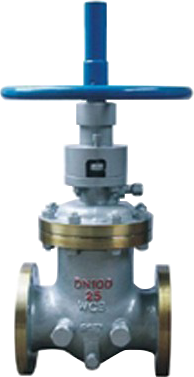

Design Specifications: JB/T 7746, API602
Structural length: JB/T 7746
Socket/joint: JB/T1751/GB7306, ANSI B16.11/B2.1
Testing and Inspection: JB/T 9092, API598
Pressure - Temperature: GB/T 9131, ANSI B16.34
Product Identification: GB/T 12220, MSS SP25
Supply Specification: JB/T 7928
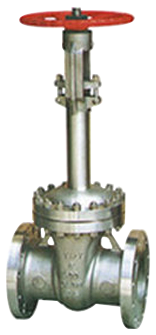
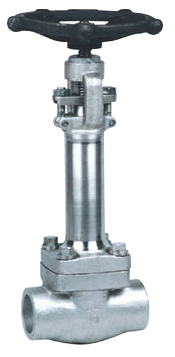
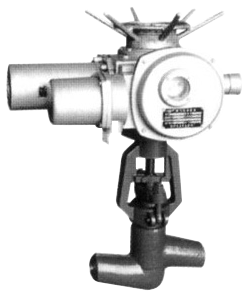
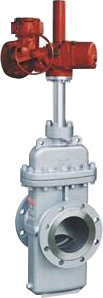
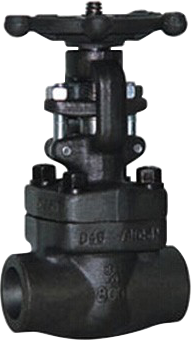
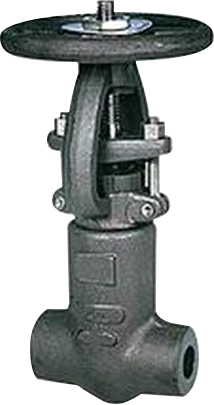
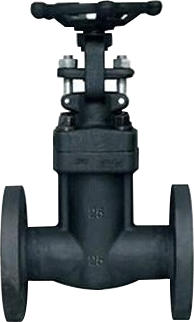
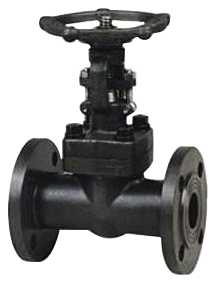
The Z41H forged steel flange gate valve is an industrial shut-off valve made of high-quality forged steel and connected to the pipeline via a flange. Its core working principle is to control the flow of the medium in the pipeline through the vertical up-and-down movement of the shut-off element - the gate. The movement direction of the gate is perpendicular to the flow direction of the fluid. When the gate is raised to the fully open position, the flow path is completely unobstructed and the resistance of the fluid is extremely low; when the gate is lowered to the fully closed position, the finely machined sealing surfaces on both sides of the gate closely fit with the valve seat, achieving a reliable seal.
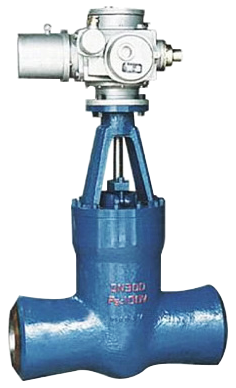
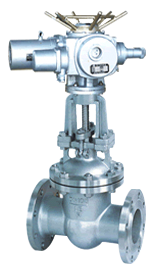
It is essential to clarify that this valve is only designed for the complete opening or closing of the pipeline, and must not be used as a flow regulating or throttling device. Otherwise, high-speed media will erode the sealing surface and cause vibration damage. The most commonly used gate plate form is the wedge type, with its two sealing surfaces forming a certain angle, using the wedge locking principle to achieve sealing. This valve supports multiple driving methods, including manual, pneumatic, and electric, to meet different automation control requirements.
The forged steel material, due to its dense metal structure and excellent mechanical properties, has become the preferred choice for manufacturing high-pressure and highly reliable valves, especially suitable for pipe cutting devices with a diameter of ≤ DN50mm. The product strictly follows a series of authoritative international and domestic standards such as JB/T 7746, API602, API598, ANSI B16.34, etc. throughout its entire life cycle of design, manufacturing, and inspection, ensuring its performance and safety under harsh working conditions in industries such as petroleum, chemical engineering, and power.
Advantages:
The forged steel flange gate valve has several significant advantages. Firstly, its straight-through flow channel design results in very low fluid resistance, which helps to reduce system energy consumption. Secondly, since the gate plate does not directly receive the forward thrust from the medium during opening and closing, the external force required for opening and closing is relatively small. Thirdly, the valve has no restriction on the direction of the medium flow and can be installed in both directions, providing flexibility for pipeline design. Fourthly, when the valve is fully open, the sealing surface is completely separated from the flow channel, and the degree of direct erosion by the working medium is much lower than that of gate valves and other structures, which is beneficial for extending the service life of the seal. Finally, its overall structure is relatively simple, the manufacturing process is mature, and the process performance is good, ensuring the reliability and economy of the product.
Regarding the drawbacks:
This valve also has some inherent limitations. The main drawback is that the gate always rubs against the sealing surface of the valve seat during the opening and closing process. This not only results in a large operating torque but also easily causes scratches on the sealing surface. Long-term use may affect the sealing performance and lead to leakage. Secondly, the valve itself does not have an internal leakage self-check function and relies on external detection methods. The most crucial point is that its structure has a high requirement for the cleanliness of the medium. If the medium contains solid particles such as sand, they are very likely to deposit in the bottom groove of the valve body, hindering the gate from fully falling into place, thereby causing serious failure to close tightly and leakage problems. This is a fatal defect in certain working conditions. Therefore, when selecting this valve, the characteristics of the medium must be fully considered.

Follow us
WeChat Official Account


Copyright © 2026 Shanghai Kigon Valve Co., Ltd. Statement
Technical Support:Pro Insurance Network