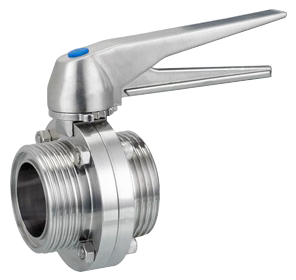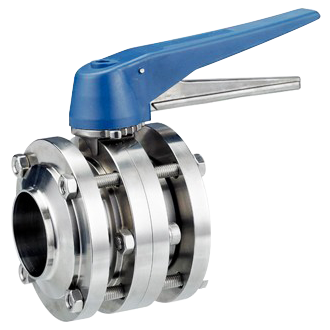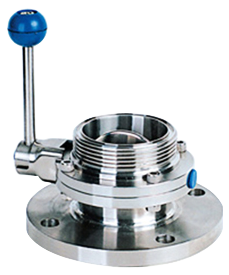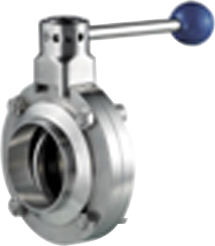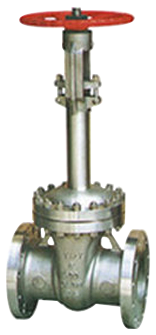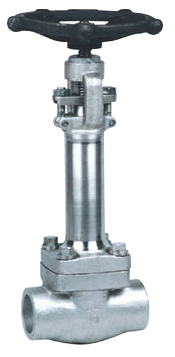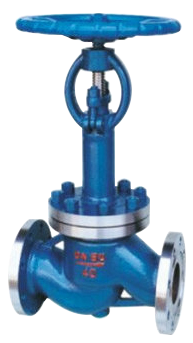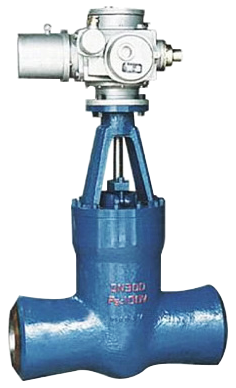

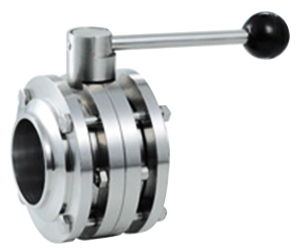
Connection methods: welding, clamps, threads, flanges
Execution standard: DIN SMS RJT 3A ISO IDF
Application: Fluid products in industries such as food processing, pharmaceuticals, and chemicals.
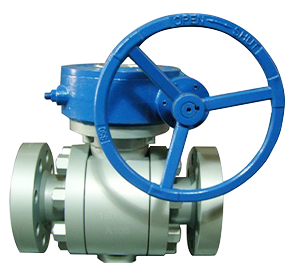
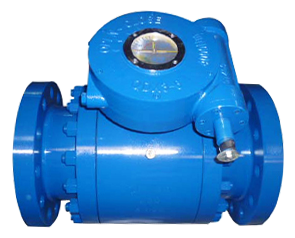
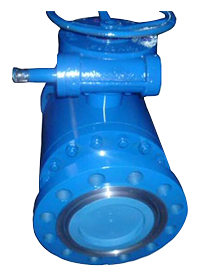
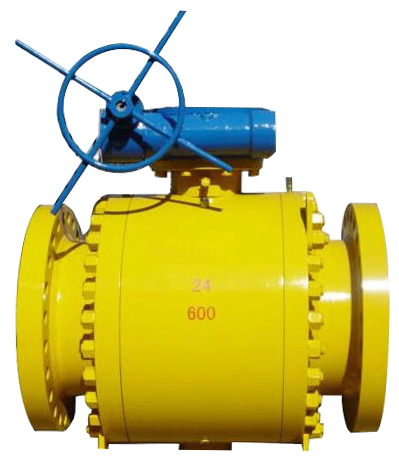
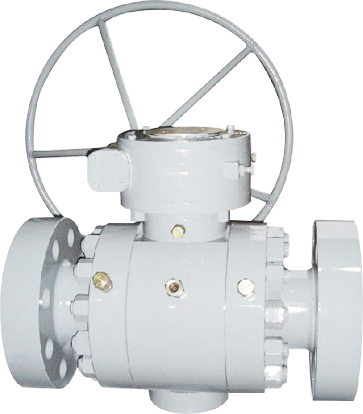
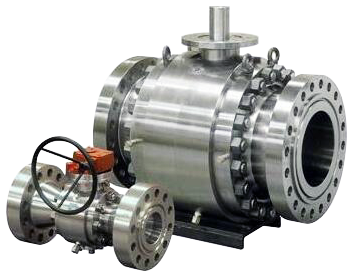
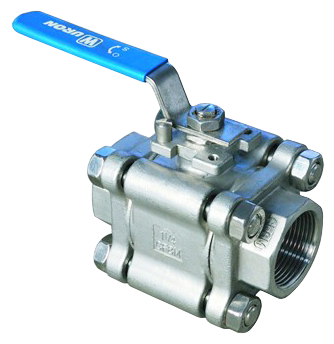
Sanitary Three-Piece Ball Valve is a precision fluid control valve specifically designed for high-sanitary-standard industries such as food, pharmaceutical, and chemical processing. Its core structure features a unique three-piece design, consisting of left and right valve bodies (or bonnets) connected to a central module housing the ball and seat via long bolts. This modular design is one of its greatest advantages. When cleaning, inspection, or replacement of internal seals is required, the entire valve does not need to be removed from the pipeline. Simply loosening the connecting bolts allows the center section to be extracted, significantly simplifying maintenance procedures, reducing downtime, and perfectly meeting the sanitary process requirements for frequent Clean-in-Place (CIP) and Steam-in-Place (SIP) operations. The valve offers highly flexible connection methods to pipelines, including sanitary clamp (ferrule), butt-weld, threaded, or flanged connections, allowing adaptation to different piping systems.
Its manufacturing strictly adheres to multiple international sanitary standards, including DIN, SMS, ISO, IDF, 3A, and RJT, ensuring the product complies with the pharmaceutical industry's GMP regulations and the stringent hygiene requirements of the food industry from design to production.
All wetted parts of the valve are manufactured from high-quality stainless steel, such as SUS304 or the more corrosion-resistant SUS316L. They undergo precision polishing with advanced equipment to achieve an extremely low surface roughness (e.g., Ra ≤ 0.4 μm), creating a smooth, seamless, and crevice-free flow path. This fundamentally prevents microbial growth and product residue. The sealing system typically employs materials like Polytetrafluoroethylene (PTFE), Reinforced PTFE (RTFE), or FDA-compliant silicone, ensuring reliable chemical inertness and sealing performance. The valve utilizes a full-port (full-bore) design where the bore diameter is essentially equal to the pipeline's inner diameter, resulting in minimal flow resistance and negligible pressure drop.
Its operating principle is simple and efficient: Rotating the handle or actuating the pneumatic/electric actuator drives the stem, which in turn rotates the precision ball with a through-bore by 90 degrees. This allows for quick opening, closing, or flow direction switching. This series of valves typically has a working pressure rating of up to 1.6 MPa (approx. 10 bar) and a wide applicable temperature range. Depending on the sealing material, they can operate stably within a temperature range of -20°C to +180°C.
1. Outstanding hygiene and easy-to-clean design
The valve is specially designed for a sterile environment. The fully covered valve seat design completely encloses the ball, combined with the highly polished inner cavity, creates a truly "no-residue" flow path, ensuring no residue of the medium and completely eliminating the risk of cross-contamination. Its structure is convenient for complete disassembly and can easily perform thorough online cleaning (CIP) and sterilization (SIP) processes, making it an ideal choice for industries such as food and beverage, and biopharmaceuticals.
2. Modular three-stage structure, with convenient maintenance and low cost
The three-stage bolt connection structure is the most prominent feature of this valve. When the internal components (such as the valve seat and ball) need to be repaired or replaced, maintenance personnel do not need to dismantle the pipeline flange. They only need to loosen the bolts at the original position of the pipeline to remove the middle valve body module. This significantly simplifies the maintenance operation and greatly reduces the overall maintenance cost and downtime of the system.
3. Reliable sealing performance and long service life
The valve seat is made of high-performance elastic materials such as PTFE, and is combined with precisely ground stainless steel balls. This design provides excellent face sealing effect, ensuring zero leakage in both directions. The sealing design often has self-compensation function. Even if the sealing surface undergoes slight wear after long-term use, it can still maintain good sealing performance. Additionally, the self-lubricating property of the material contributes to the extremely long service life of the valve.
4. The operation is simple and flexible, and it is compatible with automated control.
The valve can be opened and closed by rotating 90 degrees. The operating torque is small and the switching is rapid. The top platform of the valve stem adopts the ISO 5211 standard, which enables convenient installation of pneumatic actuators, electric actuators or various feedback devices, easily achieving remote control and automated integration, meeting the needs of modern intelligent production lines.
5. Robust structure and wide applicability
Compared to two-piece or one-piece ball valves, the three-piece structure is usually more robust, with a thicker valve body that can withstand higher pipeline pressure and external stress, and has higher reliability. Its diameter range covers from DN15 (1/2 inch) to DN100 (4 inches) and even larger, and it can be paired with various materials and sealing options to handle water, steam, various food slurries, pharmaceutical liquids, and even mild corrosive media. Its application scope is extremely wide.

Follow us
WeChat Official Account


Copyright © 2026 Shanghai Kigon Valve Co., Ltd. Statement
Technical Support:Pro Insurance Network