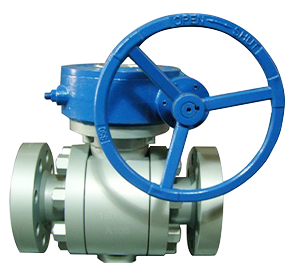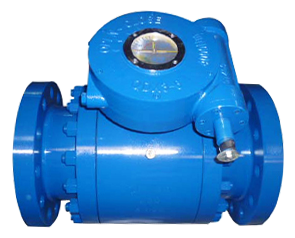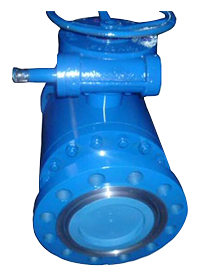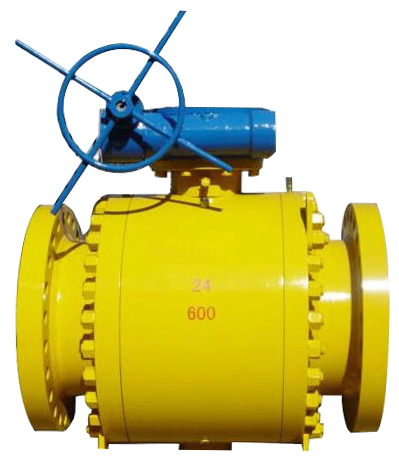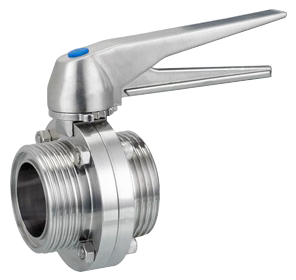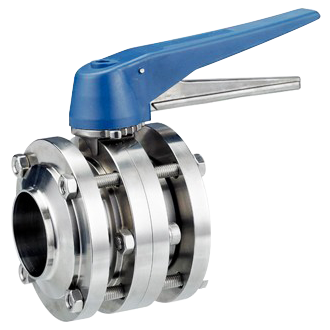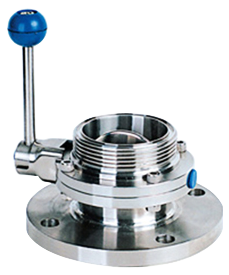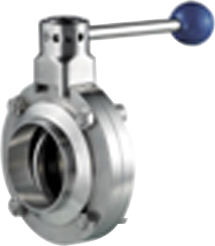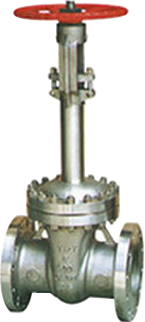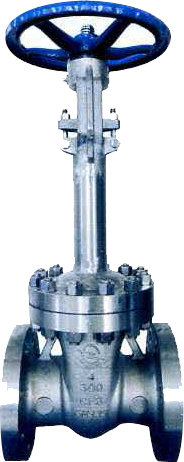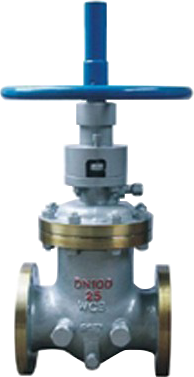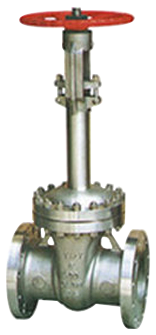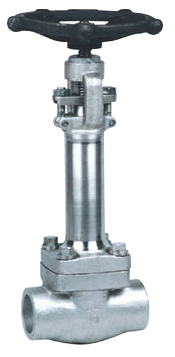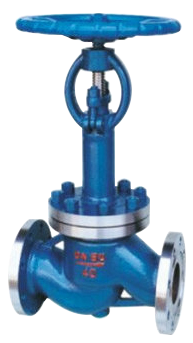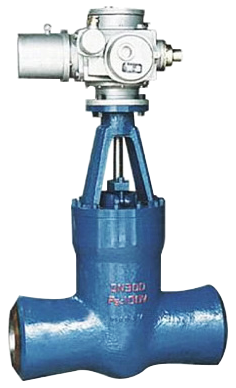

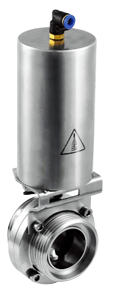
Connection methods: welding, clamps, threads, flanges
Execution standard: DIN SMS RJT 3A ISO IDF
Application: Fluid products in industries such as food processing, pharmaceuticals, and chemicals.
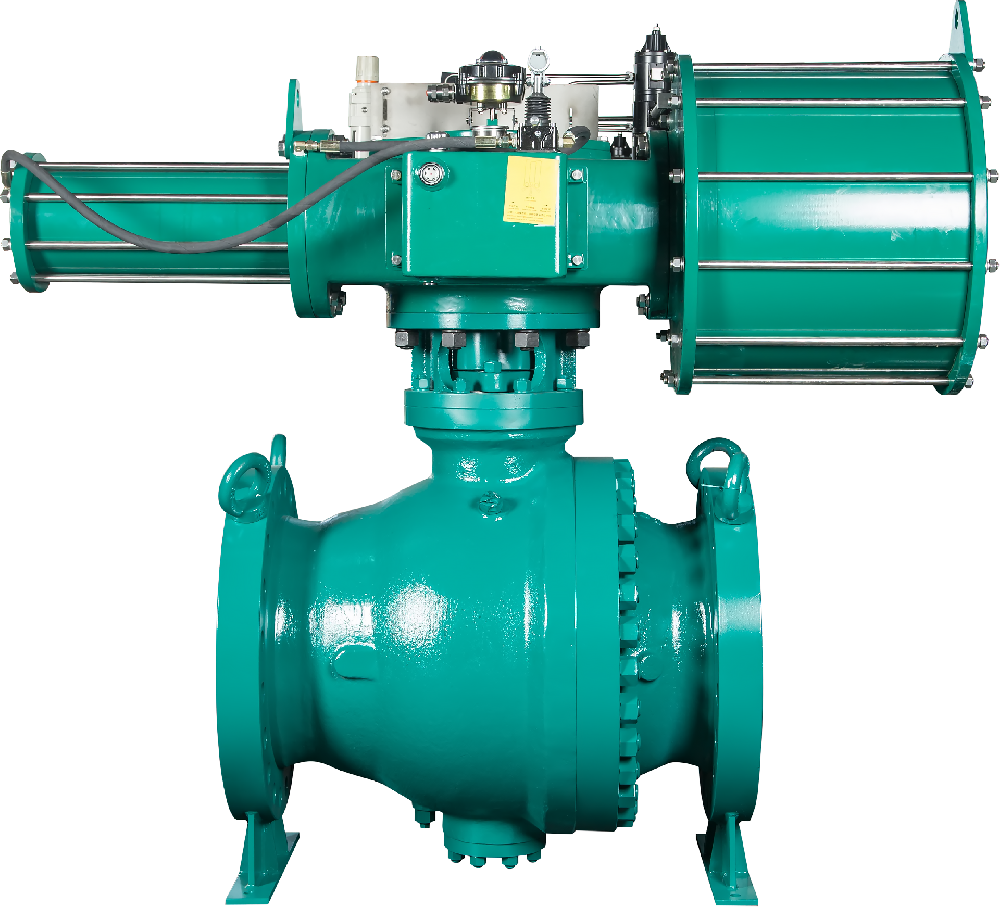
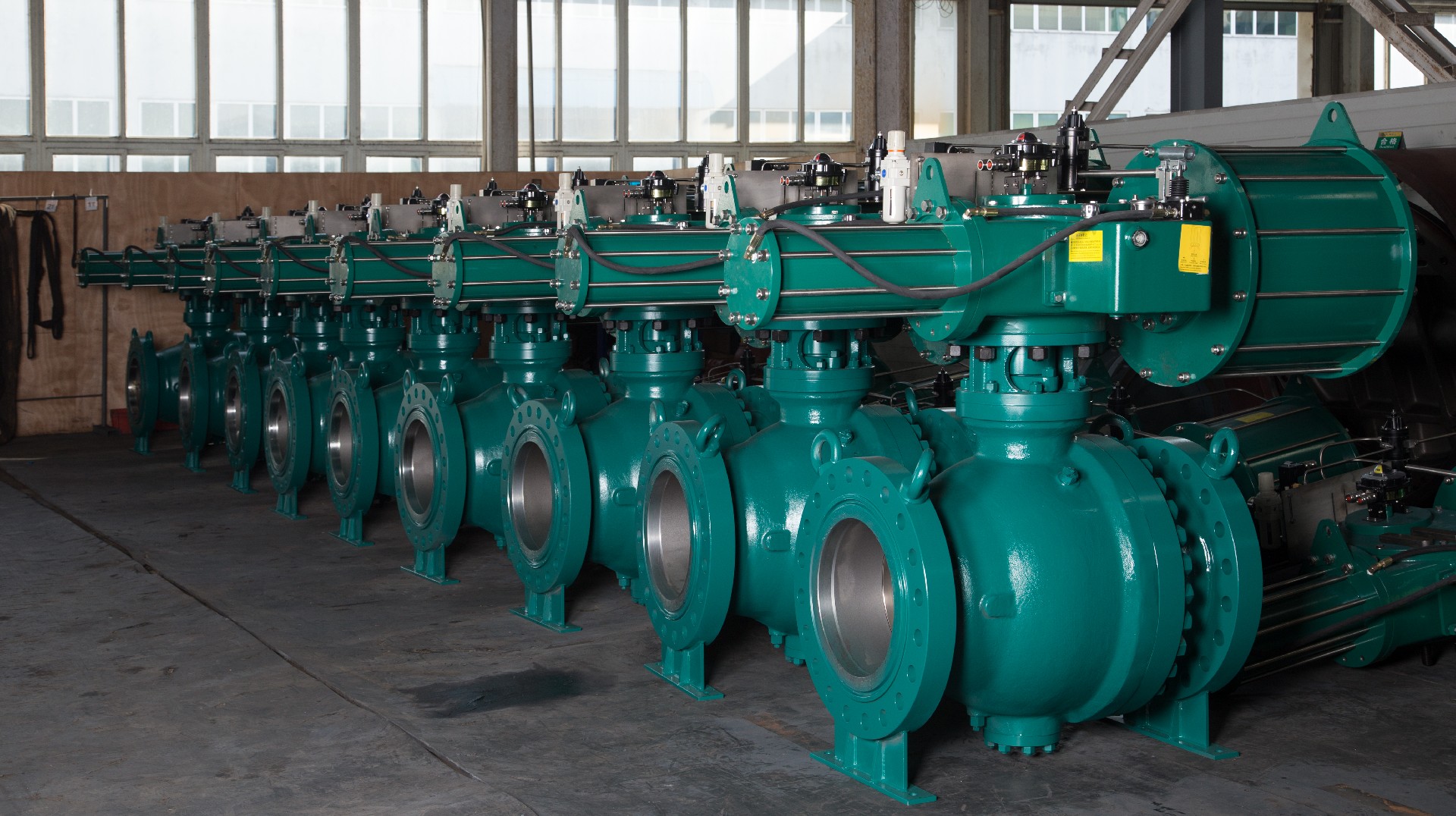
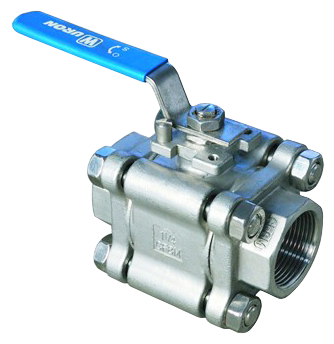
The sanitary pneumatic ball valve is an automated valve specially designed for high cleanliness industrial fluid control systems in industries such as food, pharmaceuticals, and chemicals. It is an intelligent drive unit formed by integrating an air actuator (air cylinder) on the basis of a high-standard sanitary ball valve. It uses compressed air as the power source to achieve rapid, precise opening and closing of the valve and remote automatic control. This valve strictly complies with multiple international hygiene equipment manufacturing standards such as DIN, SMS, ISO, IDF, 3A, and RJT, ensuring that every aspect from design, materials to production process meets the GMP (Good Manufacturing Practice) standards for the pharmaceutical industry and the stringent hygiene requirements of the food industry.
The core design concept is "sterility" and "efficiency". The valve body and all components in contact with the medium are usually made of SUS304 or even better SUS316L stainless steel, and are subjected to precise mechanical and electronic polishing treatment, resulting in an internal surface roughness of Ra ≤ 0.8 μm or even lower (such as 0.5 μm), forming a smooth, seamless, and unobstructed flow channel. This fundamentally eliminates the risks of medium residue and microbial growth. The valve adopts a full bore design, with the flow channel diameter consistent with the inner diameter of the pipeline, ensuring the fluid passes in a straight line, with minimal pressure loss, and facilitating thorough online cleaning (CIP) and online sterilization (SIP). The sealing system mostly uses food-grade polytetrafluoroethylene (PTFE), reinforced polytetrafluoroethylene, or silicone rubber, which not only provides reliable zero-leakage sealing but also exhibits excellent chemical inertness.
The connection methods are diverse and flexible, including quick assembly with sanitary clamps, butt welding, threaded connections and flange connections. It can seamlessly adapt to various sanitary pipeline systems and meet the requirements of rapid installation, disassembly and maintenance. By receiving electrical signals from PLC (Programmable Logic Controller) or DCS (Distributed Control System), it drives the pneumatic actuator to rotate the internally precisely ground stainless steel ball by 90 degrees, which can complete the opening or closing action within 0.5 to 2 seconds, achieving precise, efficient and unmanned control of the production process.
1. Outstanding hygiene and safety standards and easy cleanliness properties
The valve is specially designed for a sterile environment. Its fully covered valve seat design and mirror-polished inner cavity achieve a truly "no-residue" flow path, meeting the international hygiene certification requirements such as FDA and EHEDG. The quick-disconnect clamp or threaded connection structure, combined with the CIP/SIP-supporting function, enables the valve to undergo deep cleaning and sterilization without completely removing it from the pipeline, significantly ensuring the purity of batch production and preventing cross-contamination.
2. Efficient automation drive, enhancing production efficiency and controllability
The introduction of pneumatic actuators represents a core advantage. They offer rapid response times (switching actions typically occur within 1 second), enabling remote control and seamless integration with automation systems. This not only significantly reduces manual intervention, lowers the risk of contamination due to human contact, but also makes precise flow control and programmed batch production possible, thereby greatly enhancing the efficiency, stability and consistency of the production line.
3. Modular reliable structure and long-life design
The valves adopt a sturdy integrated or split stainless steel structure. The key components such as the ball body undergo high-precision grinding, forming a wear-resistant and long-lasting sealing pair with the elastic valve seat. The pneumatic actuator can be optionally equipped with single-acting (spring return, safety type) or double-acting forms, and can be equipped with limit switches, solenoid valves, regulators, etc. as accessories to meet complex control requirements such as signal feedback and proportional regulation. The system construction is flexible and highly reliable.
4. Widespread media adaptability and robustness in harsh operating conditions
Thanks to the selection of high-quality stainless steel and special sealing materials, this valve can safely handle various media such as water, steam, various food slurries, pharmaceutical liquids, alcohol, mild acid and alkali solutions, etc. Its operating temperature range is wide (typically -20℃ to +180℃, depending on the sealing material), and it can withstand the high-temperature sterilization process in the production process. At the same time, it has excellent corrosion resistance, ensuring long-term stable operation in complex process environments.
5. Maintain simplicity and high efficiency
The modular design enables the pneumatic actuator and the valve body to be independently maintained or replaced. When the sealing parts need to be replaced, the maintenance process is relatively simple. Its rapid opening and closing and reliable performance reduce the downtime caused by valve failures. Combined with a long service life, it brings lower overall operation and maintenance costs to the production line.

Follow us
WeChat Official Account


Copyright © 2026 Shanghai Kigon Valve Co., Ltd. Statement
Technical Support:Pro Insurance Network